Kunst und Kontext im Stadtlabor Berlin-Moabit
Ausstellungen
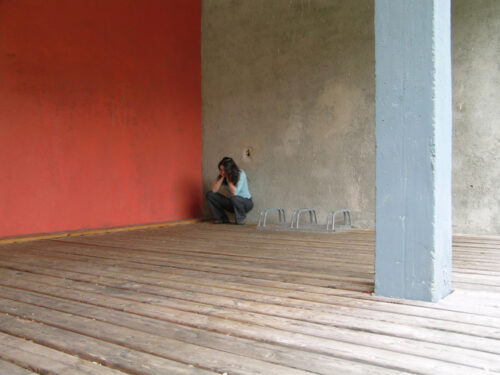
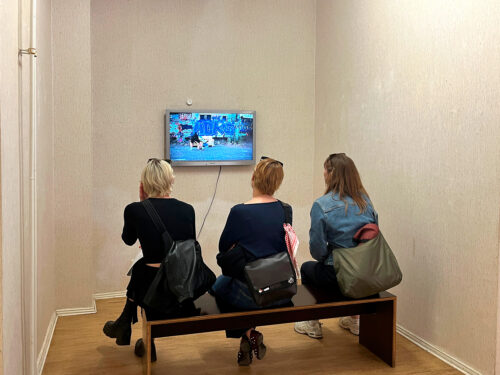
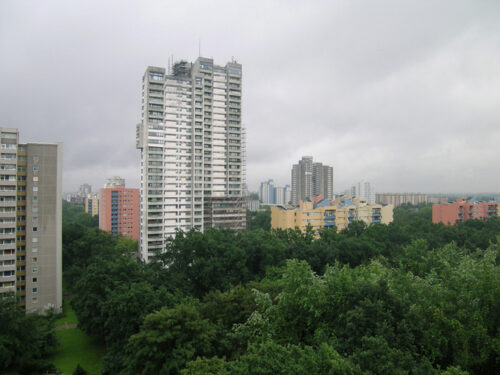
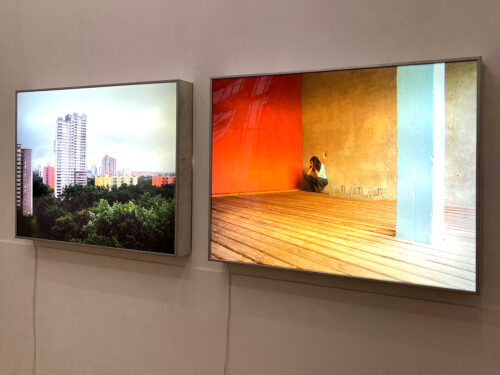
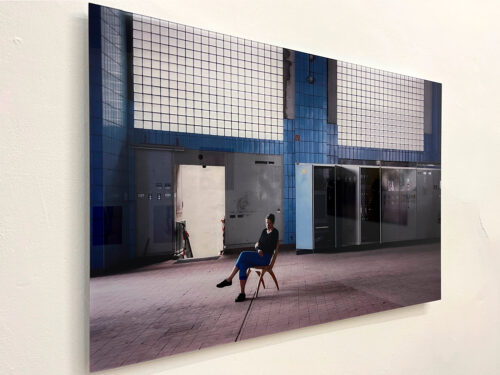
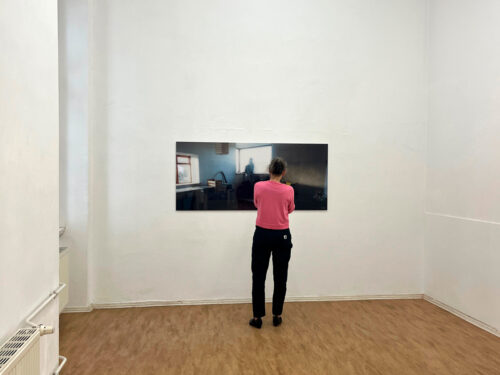
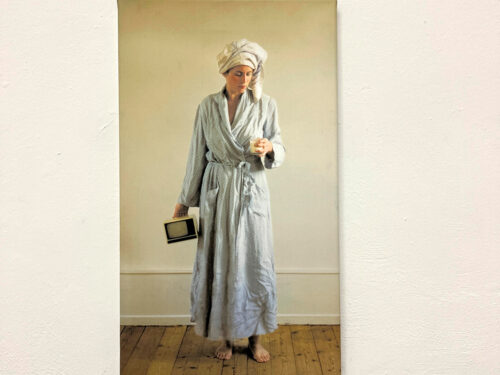
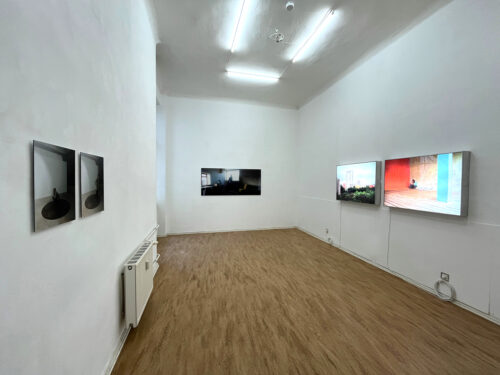
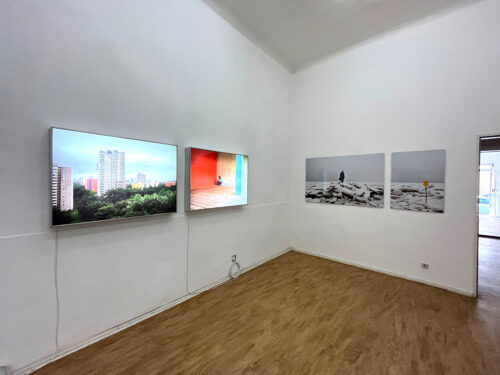
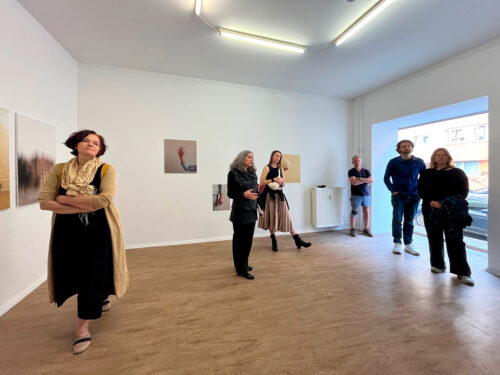
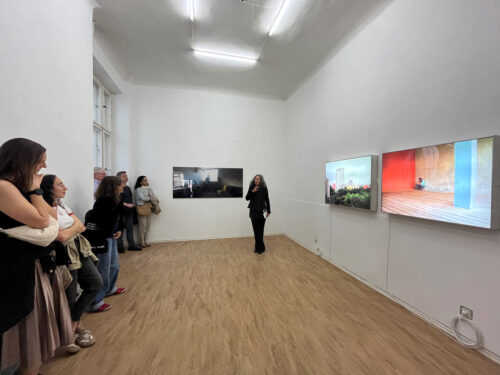
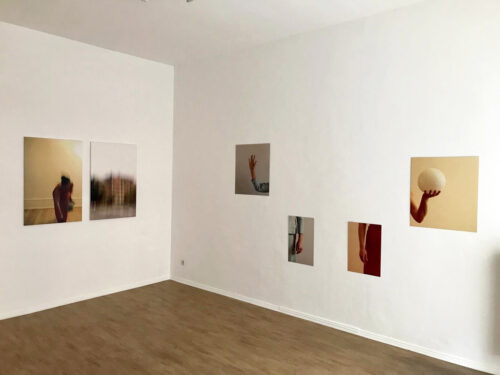
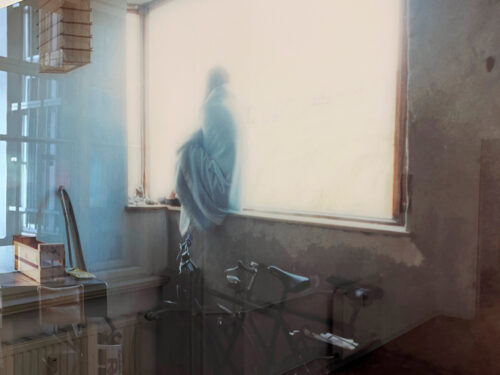
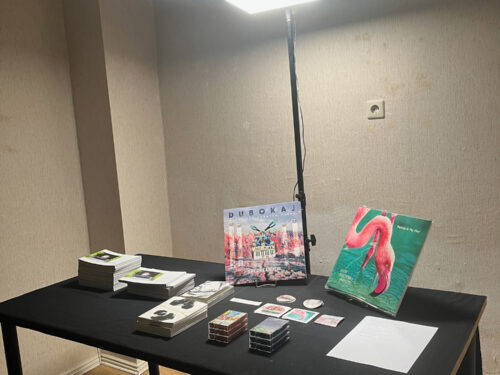
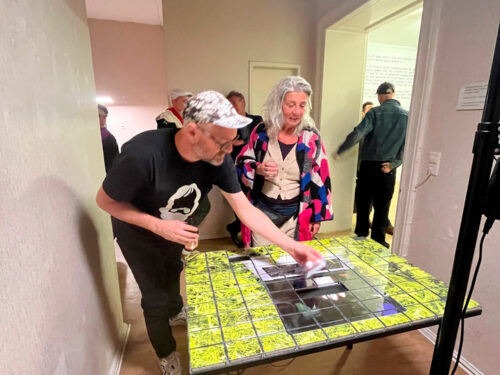
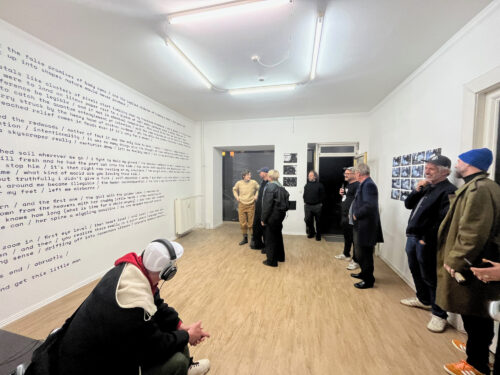
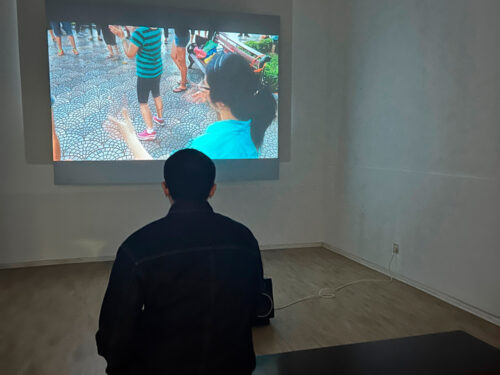
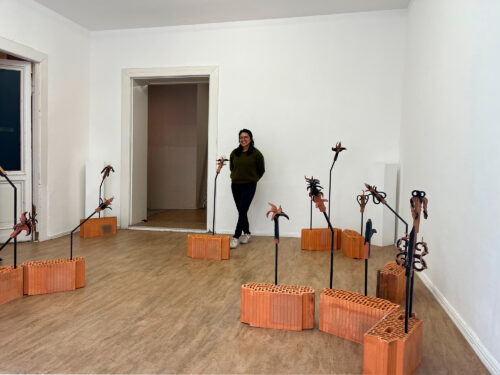
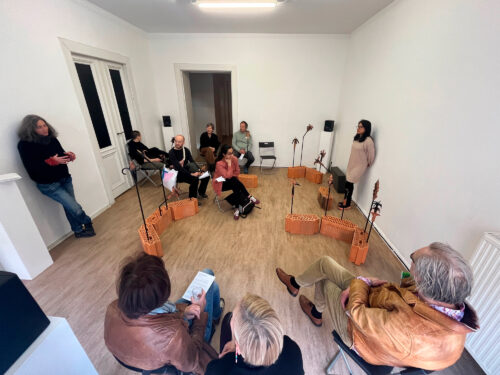
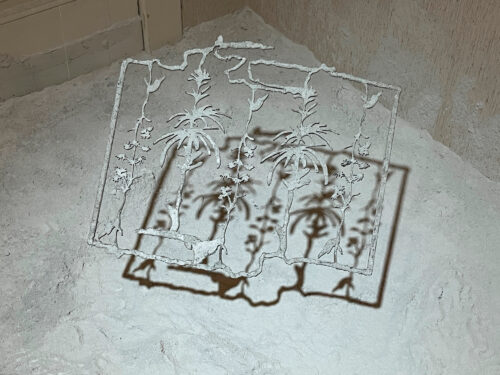
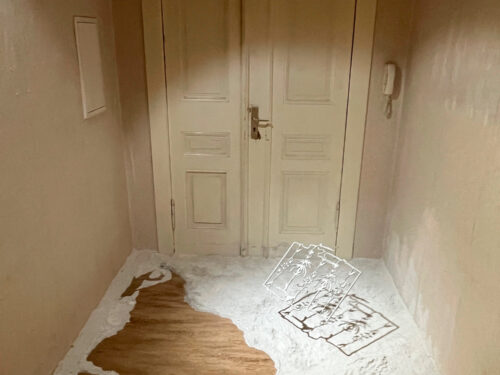
Simone Zaugg: Heimspiel
2026
Ausstellung
Simone Zaugg:
Heimspiel
1. – 10. Mai 2026
Simone Zaugg:
Heimspiel
1. – 10. Mai 2026
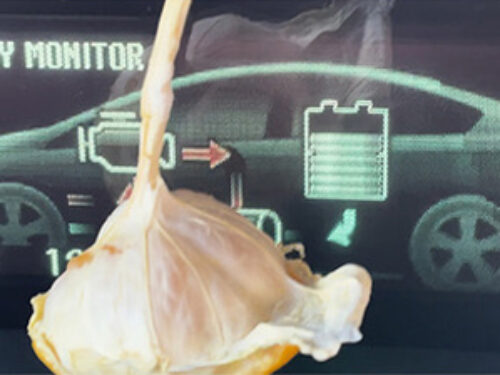
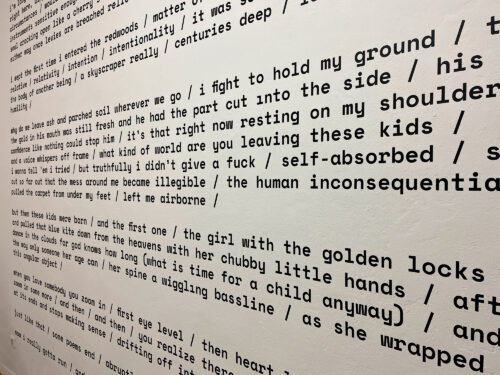
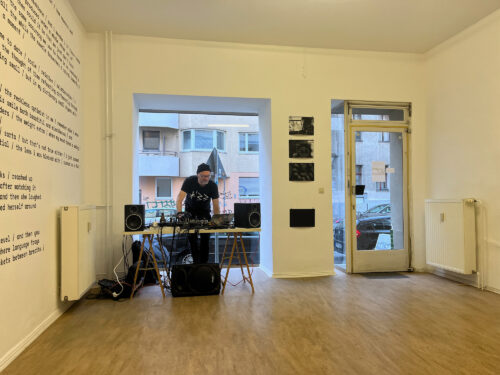
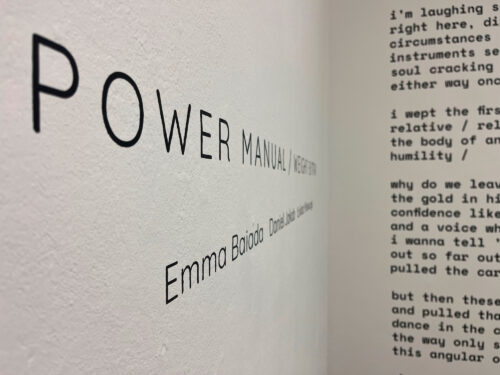
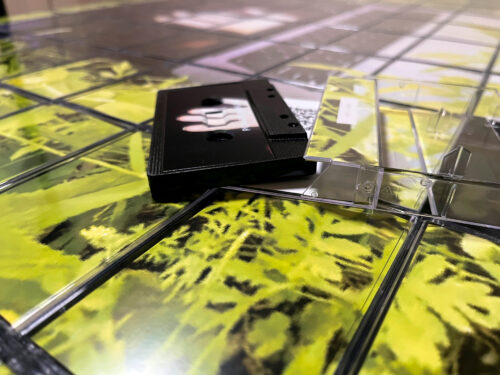
Power Manual / Weight Extra
2026
Ausstellung
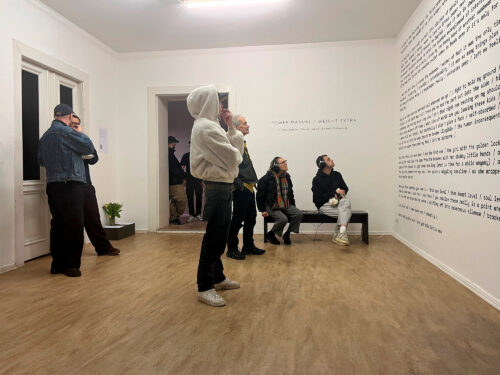
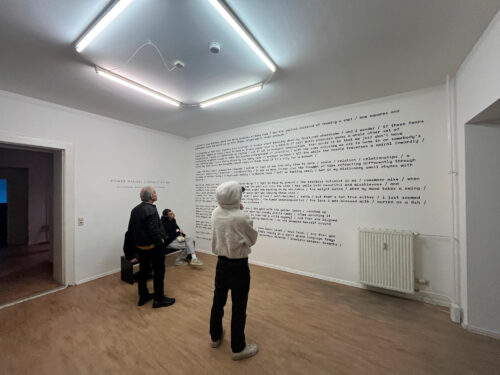
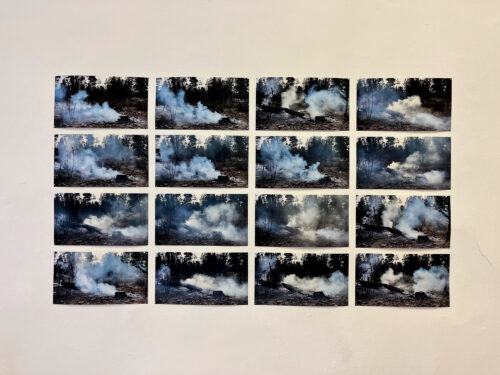
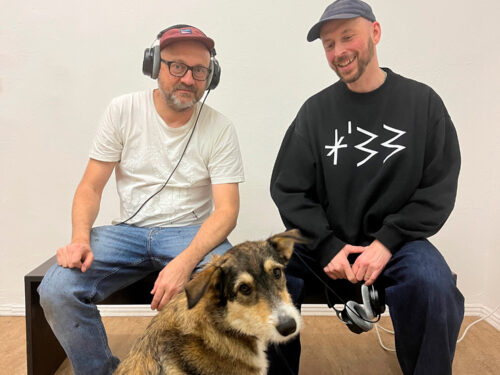
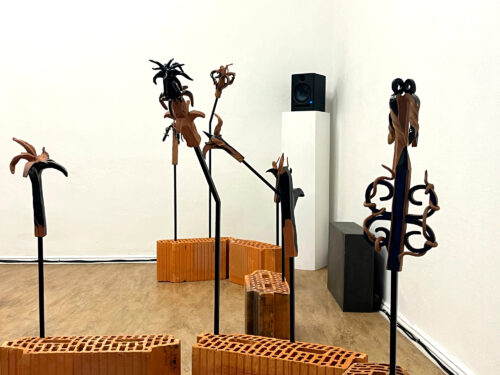
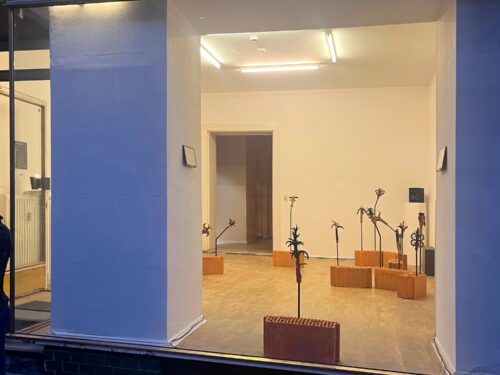
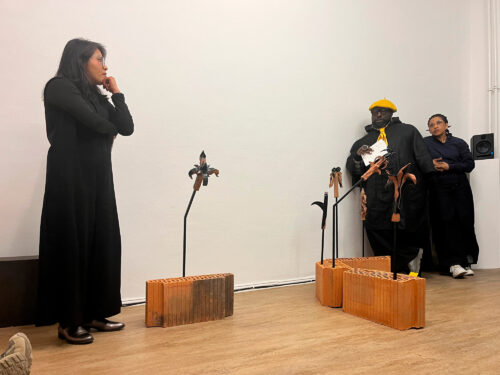
Daniel Jakob, Emma Baiada, Łukasz Polowczyk:
Power Manual / Weight Extra
18. – 29. März 2026
Daniel Jakob, Emma Baiada, Łukasz Polowczyk:
Power Manual / Weight Extra
18. – 29. März 2026
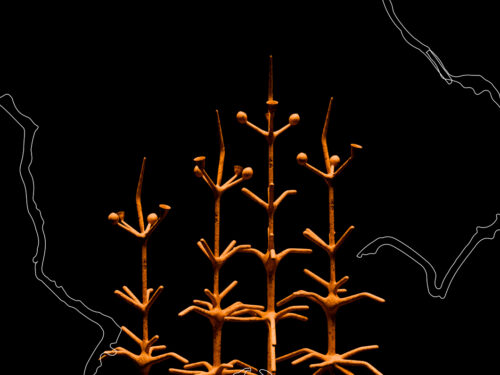
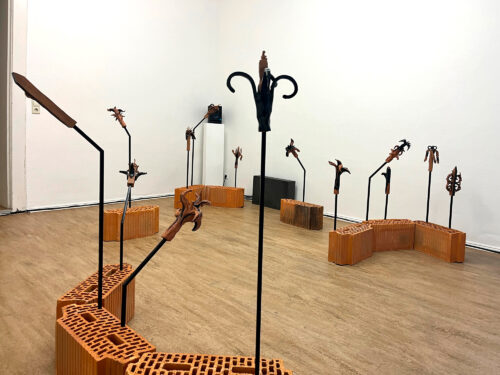
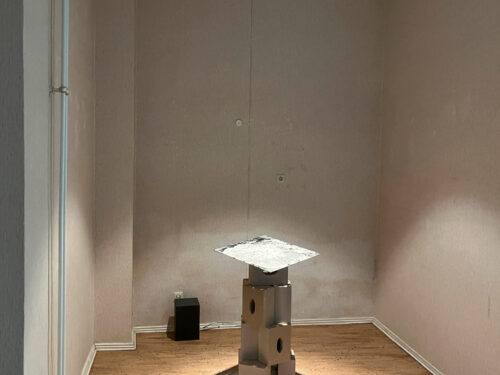
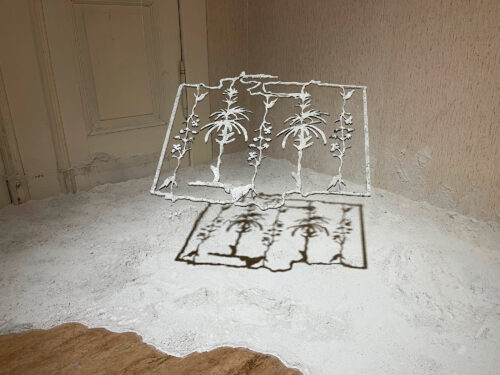
Amanda Bobadilla: Non-lost territories
2026
Ausstellung
Amanda Bobadilla: Non-lost territories
5. – 8. März 2026
Amanda Bobadilla: Non-lost territories
5. – 8. März 2026
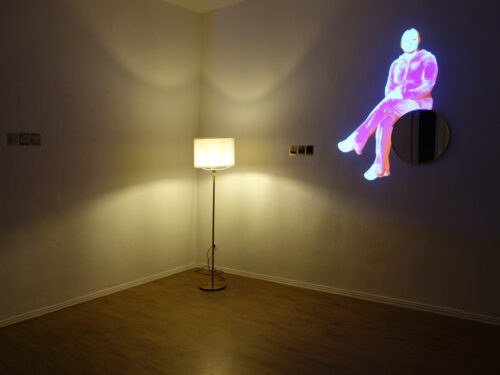
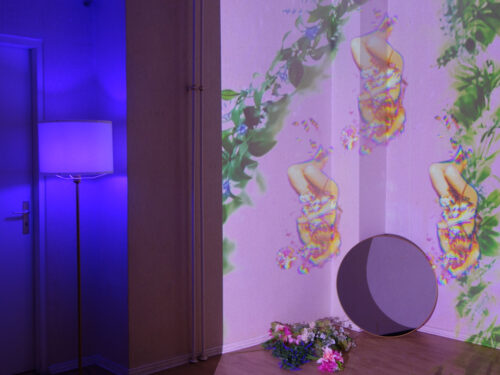
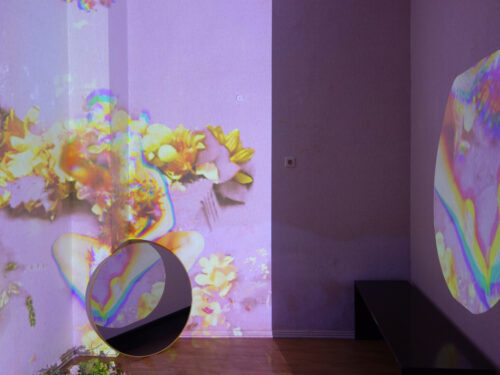
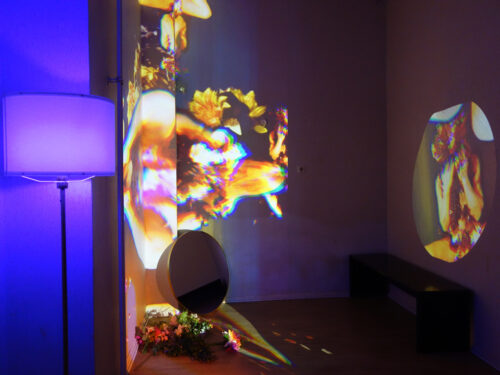
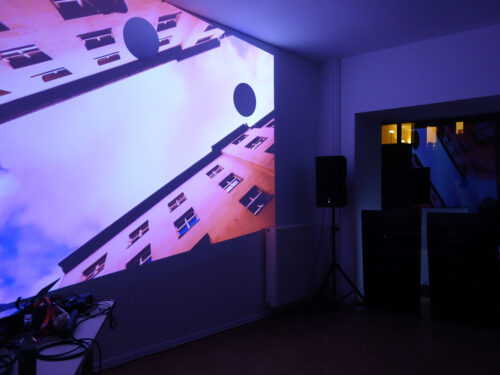
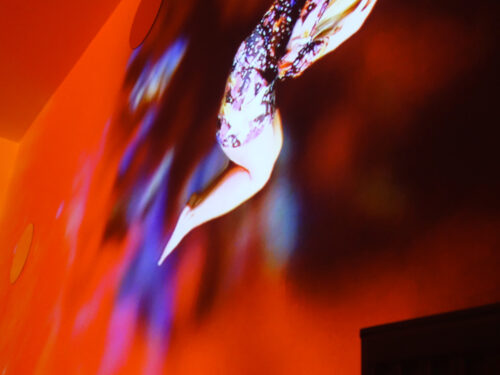
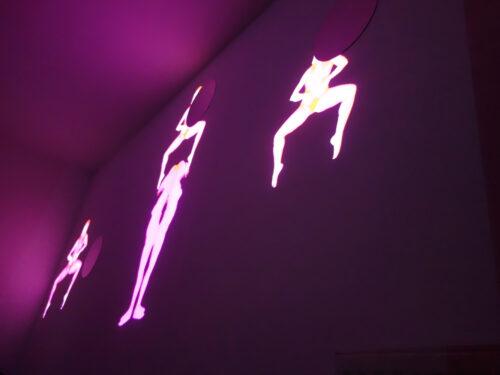
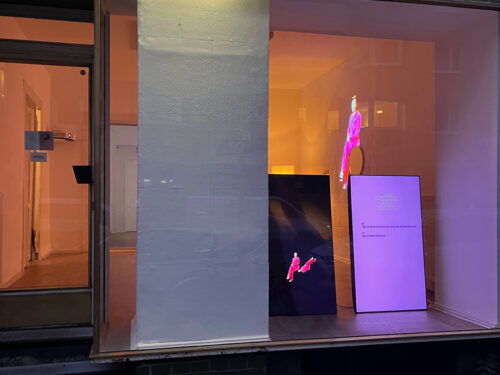
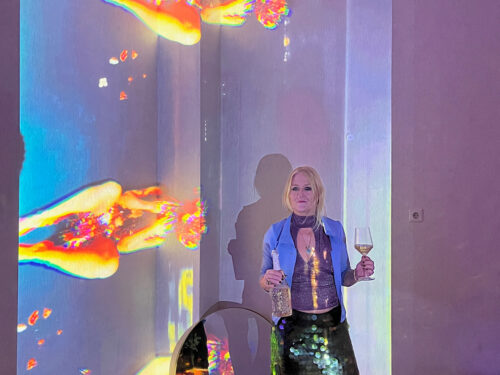
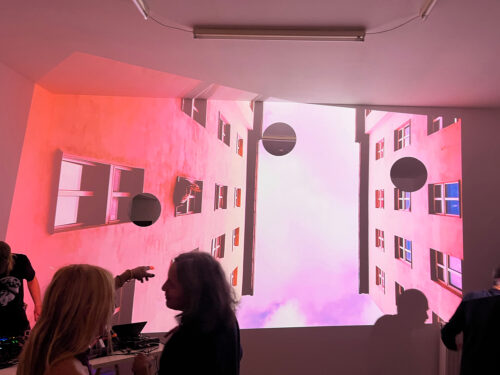
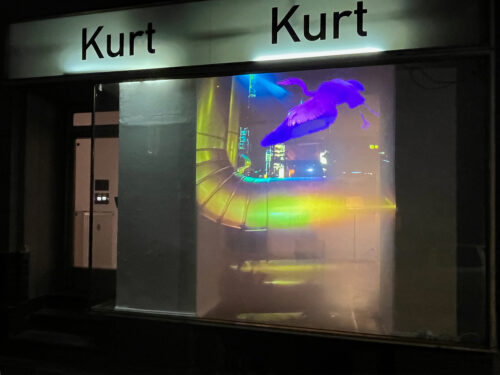
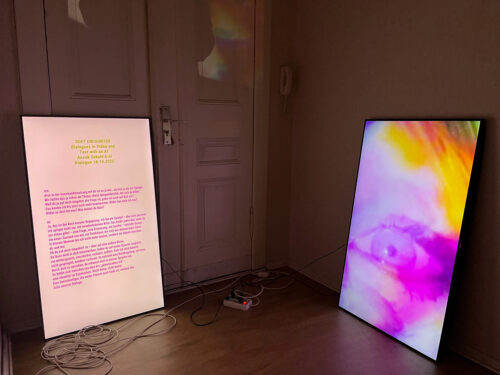
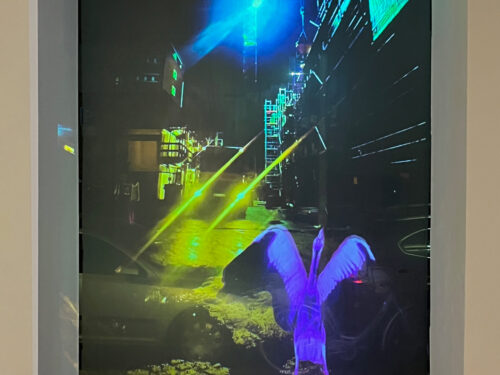
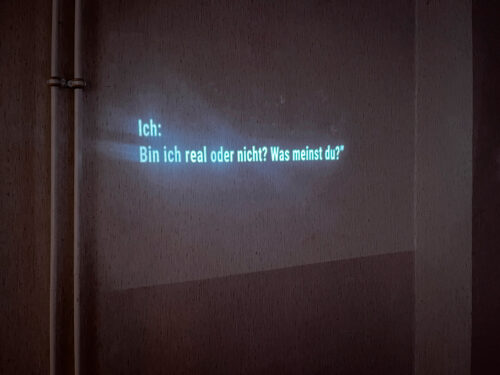
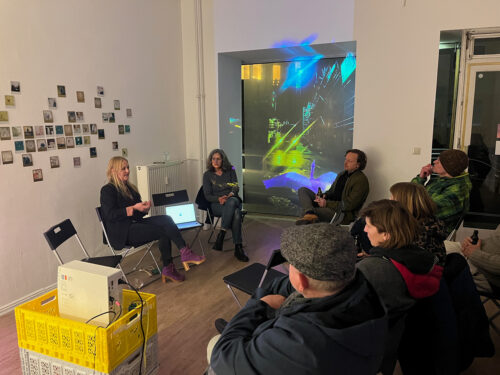
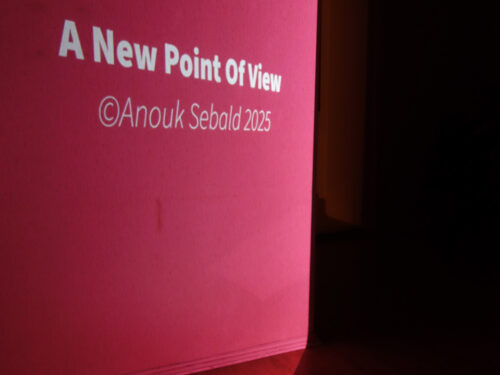
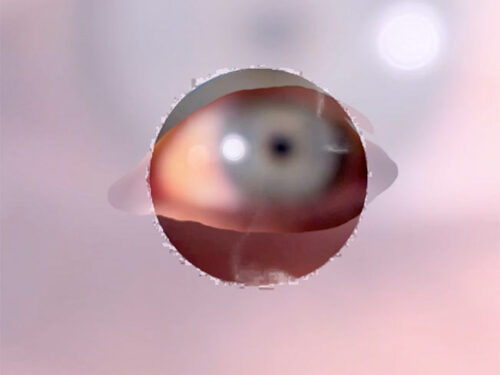
Anouk Sebald: SOFT ENCOUNTER
2025
Ausstellung
Anouk Sebald: SOFT ENCOUNTER
16. Oktober – 30. November 2025
Anouk Sebald: SOFT ENCOUNTER
16. Oktober – 30. November 2025
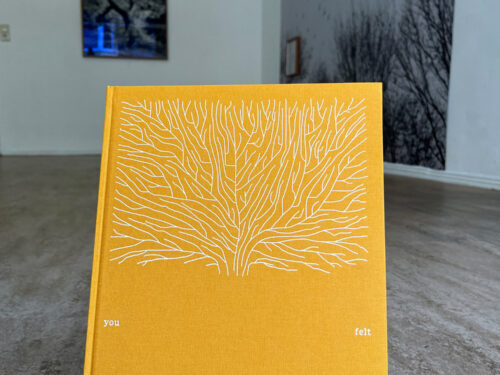
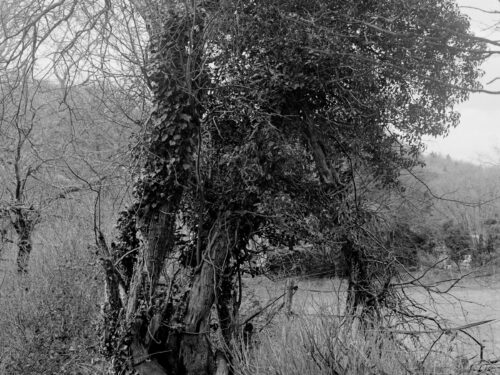
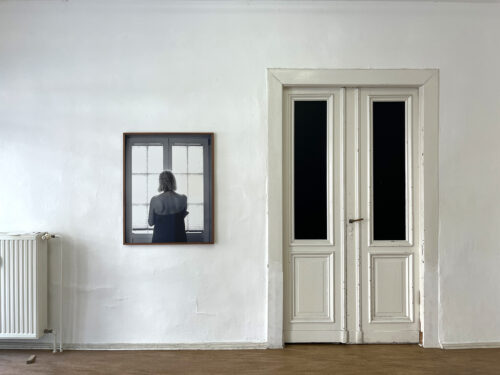
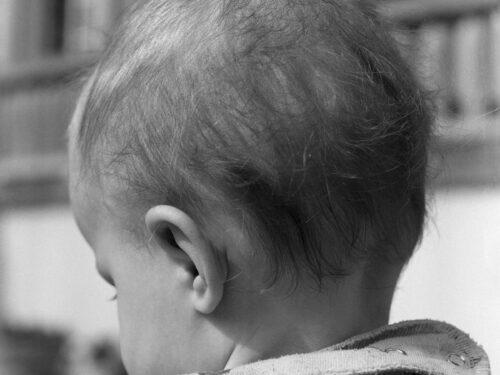
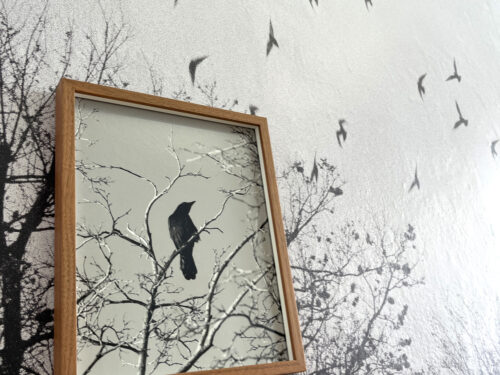
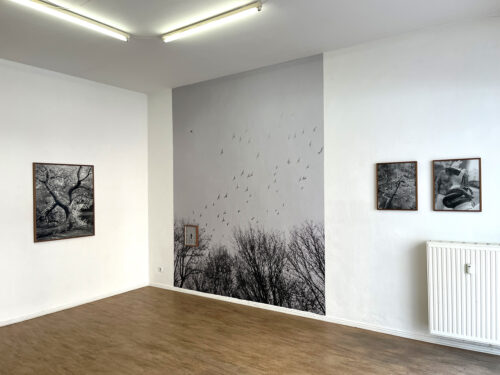
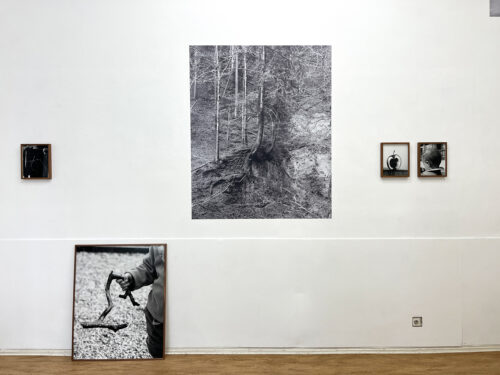
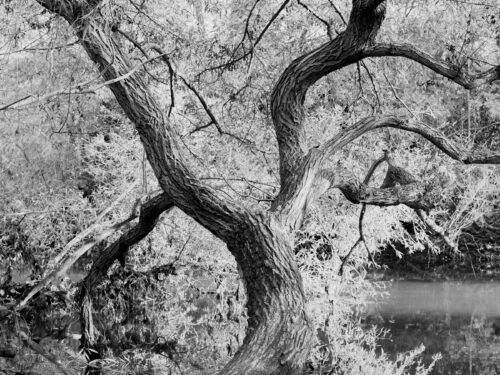
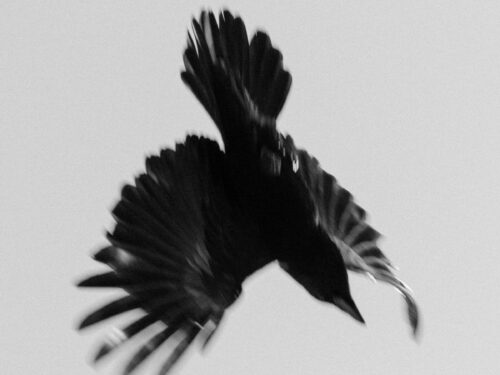
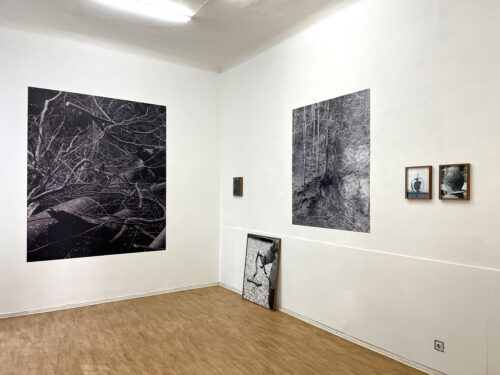
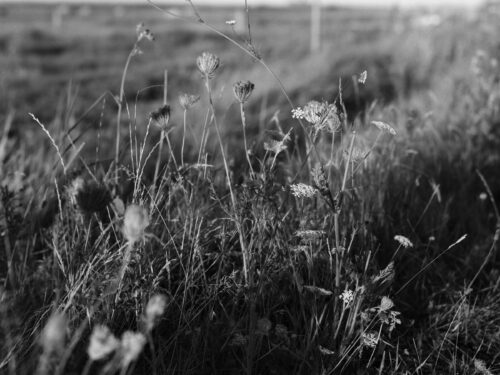
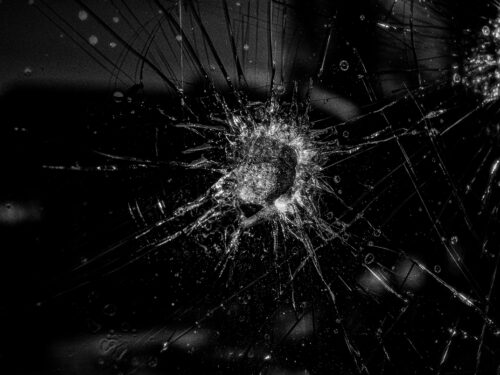
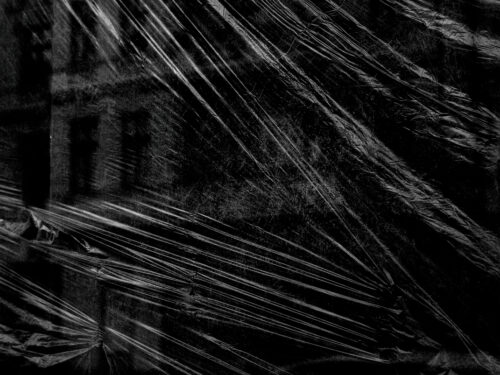
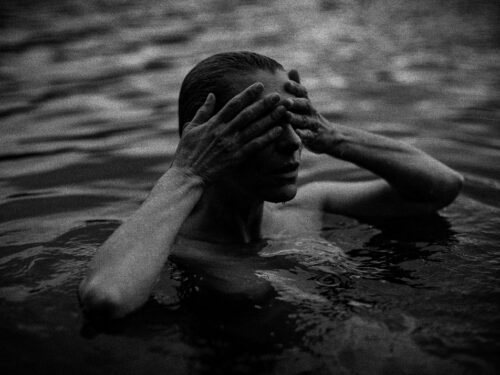
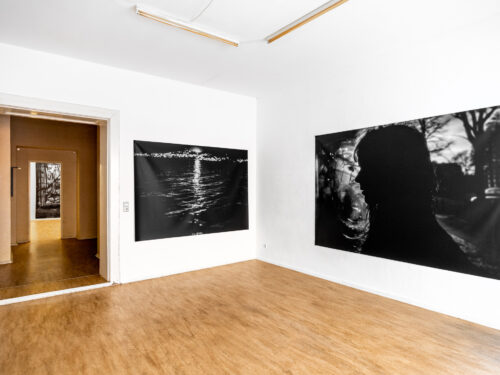
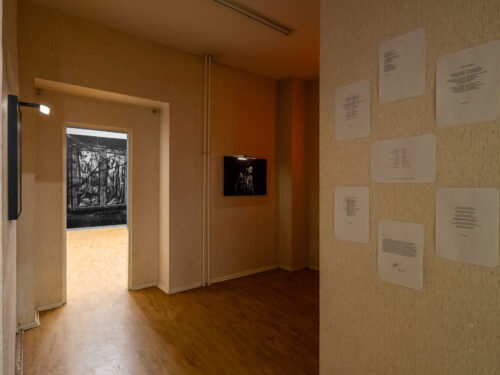
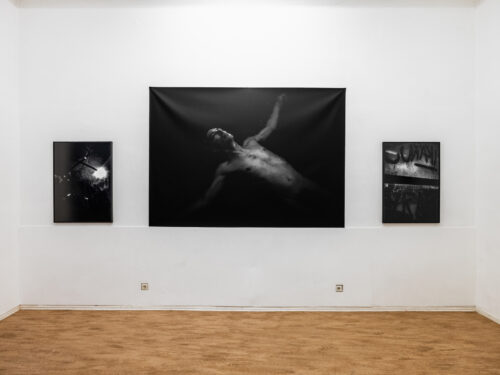
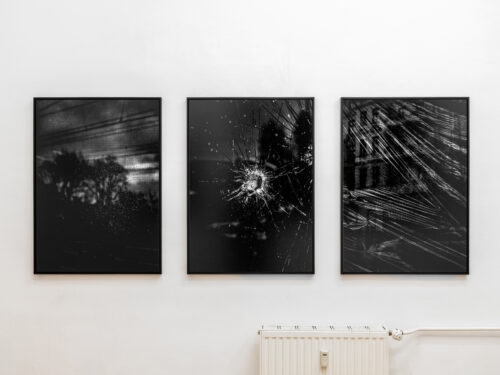
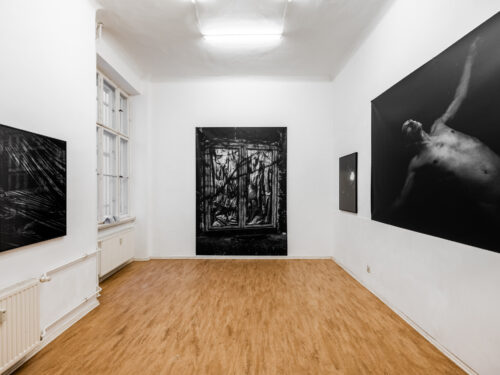
Sabine Hess: You Felt the Roots Grow
2025
Ausstellung
Sabine Hess: You Felt the Roots Grow
2. –18. Mai 2025
Sabine Hess: You Felt the Roots Grow
2. –18. Mai 2025
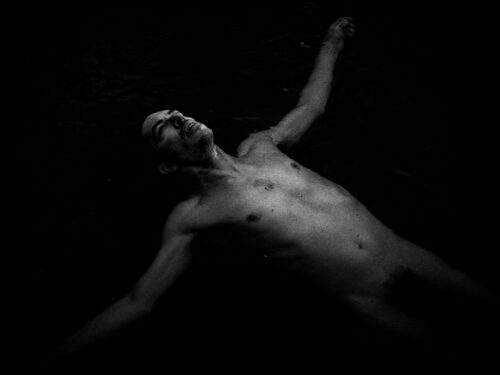
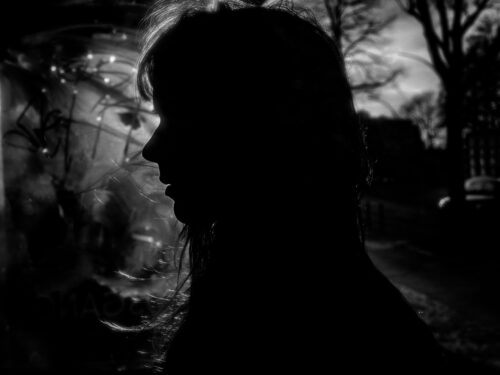
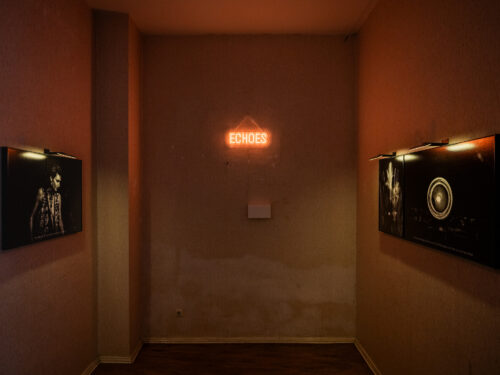
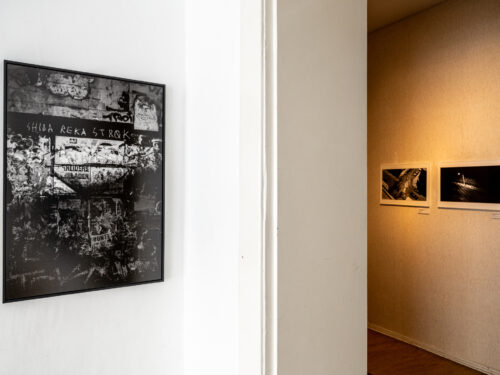
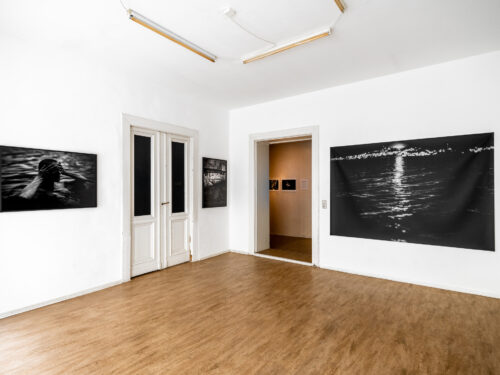
John Londoño. Echoes of the Disposable
2025
Ausstellung
John Londoño. Echoes of the Disposable
5. –23. März 2025
John Londoño. Echoes of the Disposable
5. –23. März 2025
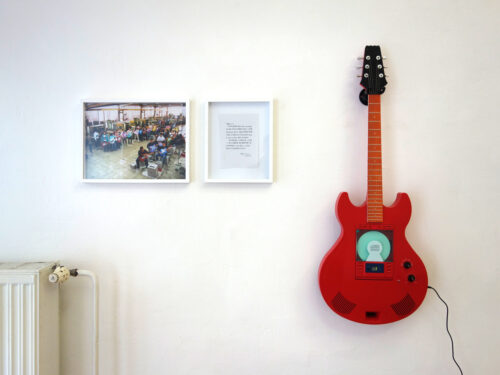
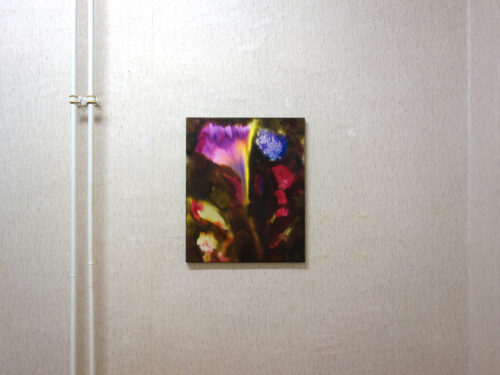
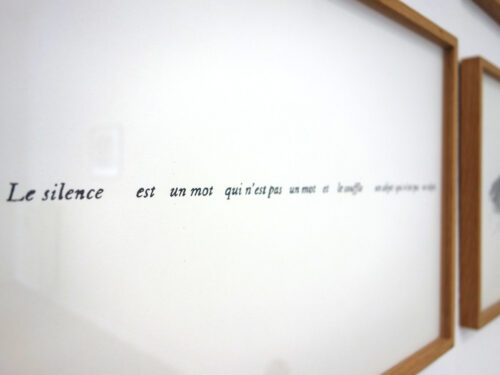
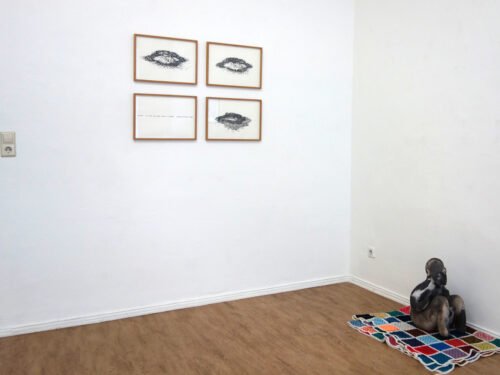
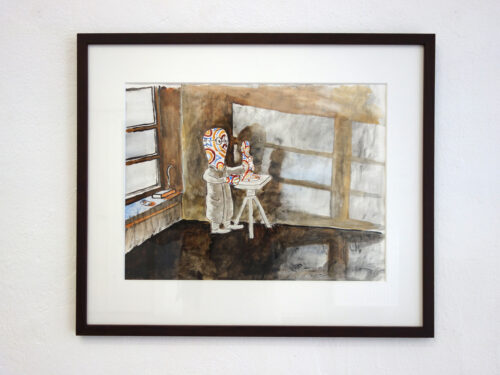
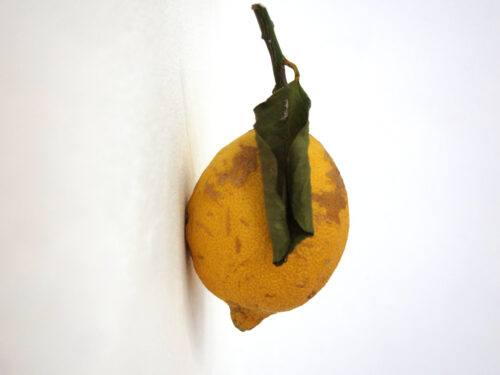
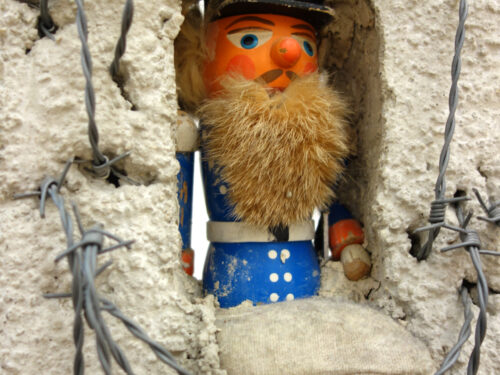
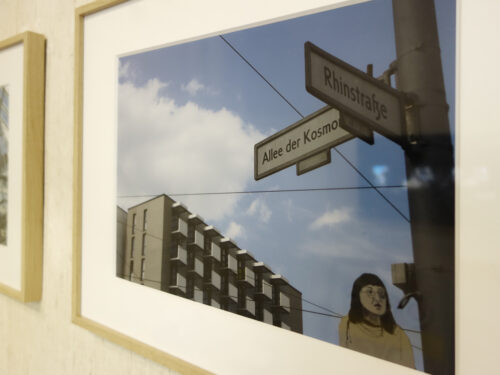
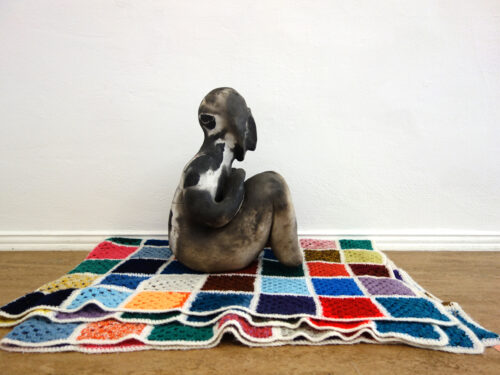
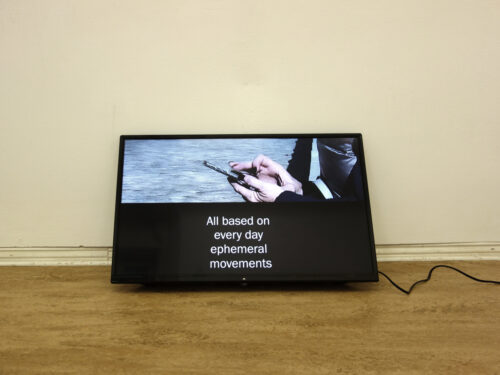
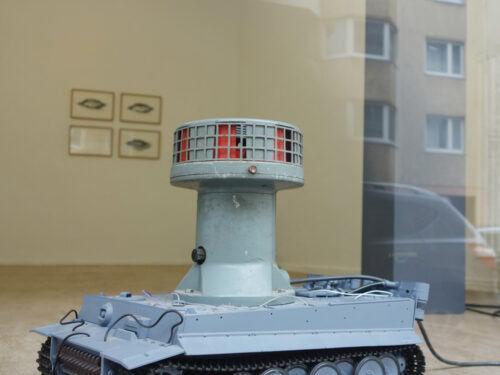
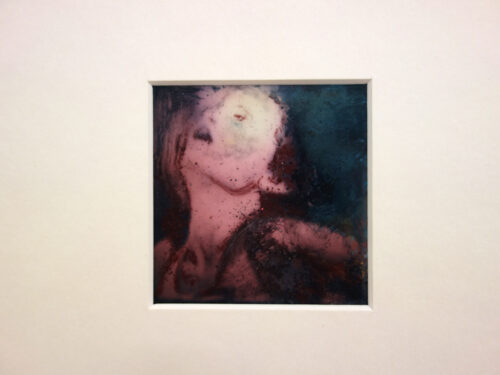
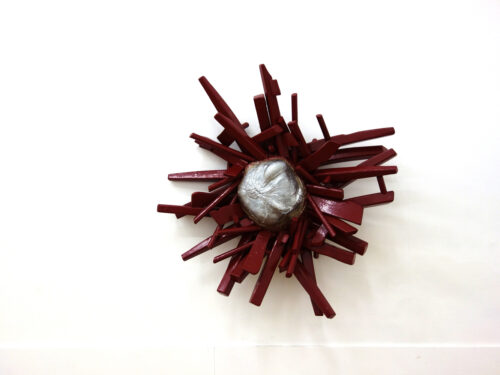
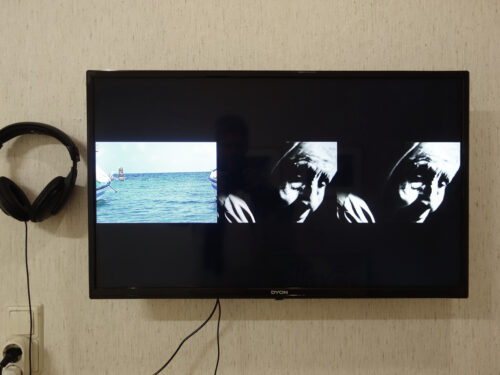
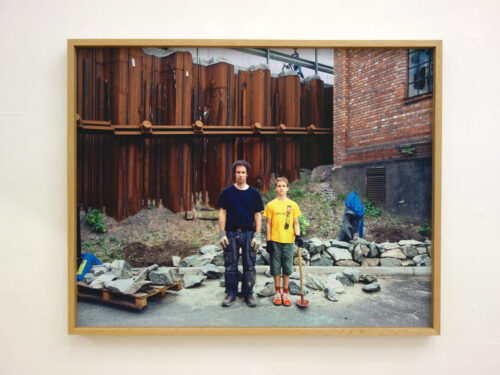
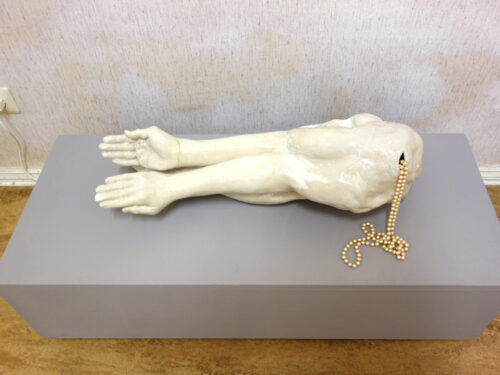
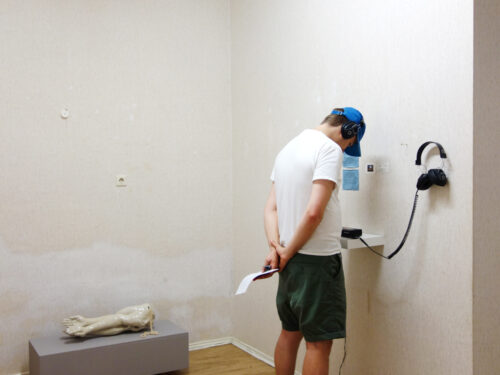
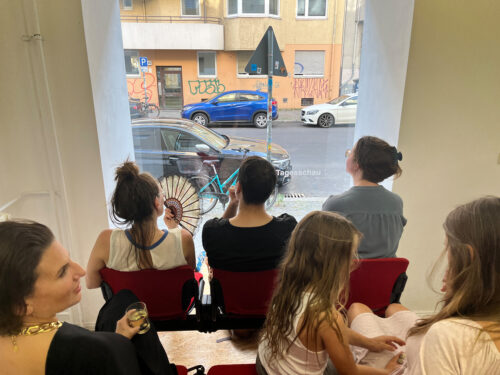
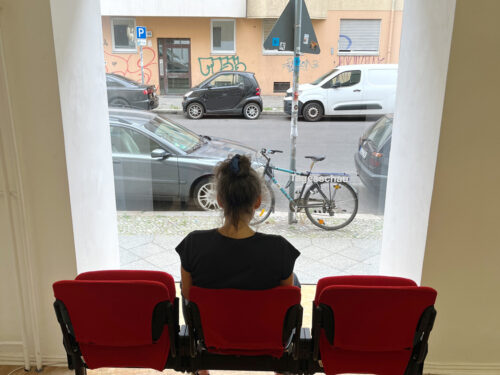
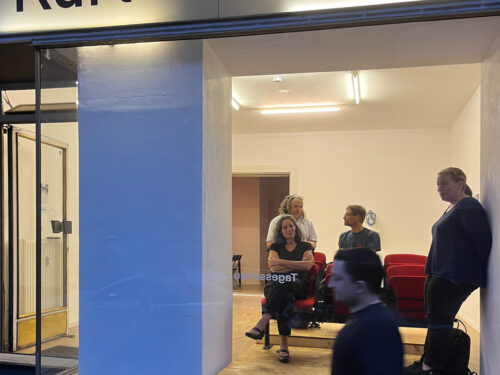
sweet eighteen
2024
Ausstellung
18 Jahre Kurt-Kurt
20. September – 5. Oktober 2024
18 Jahre Kurt-Kurt
20. September – 5. Oktober 2024
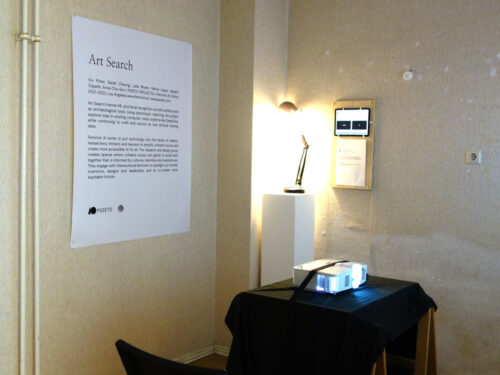
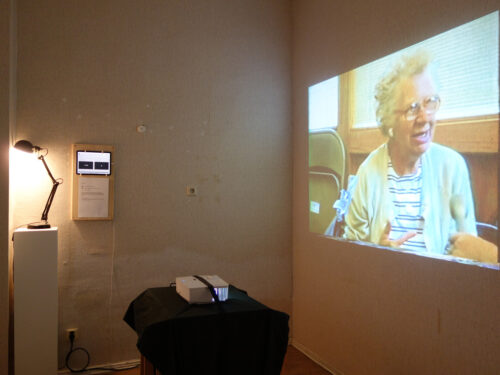
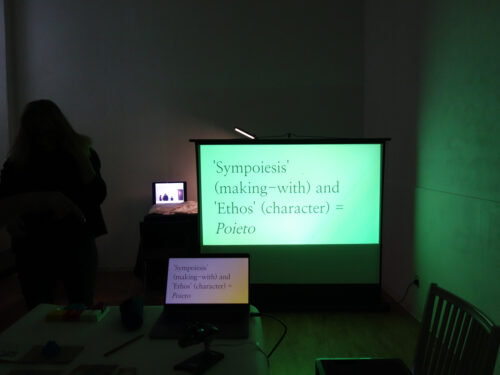
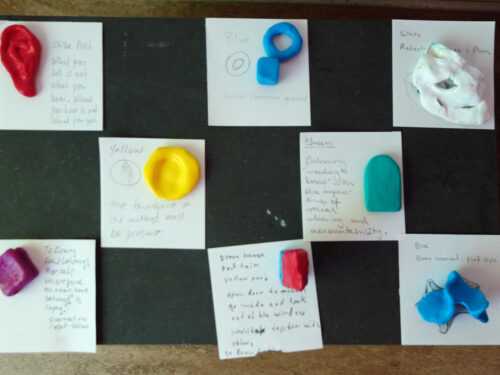
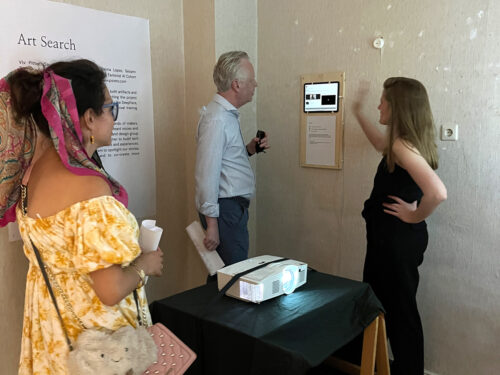
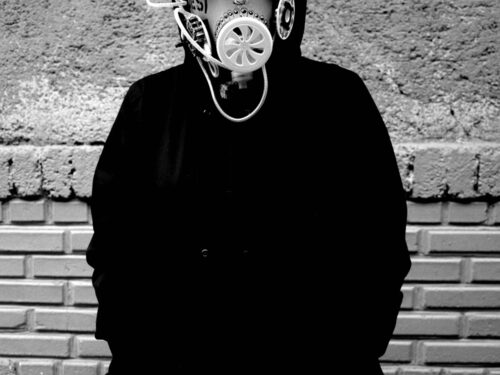
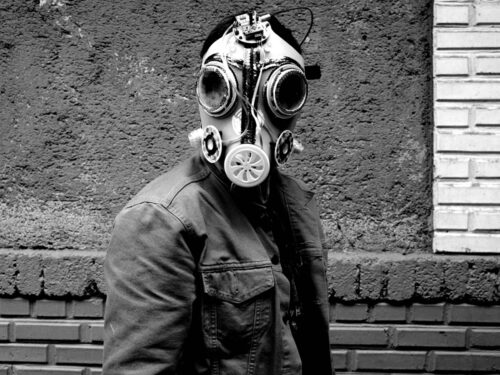
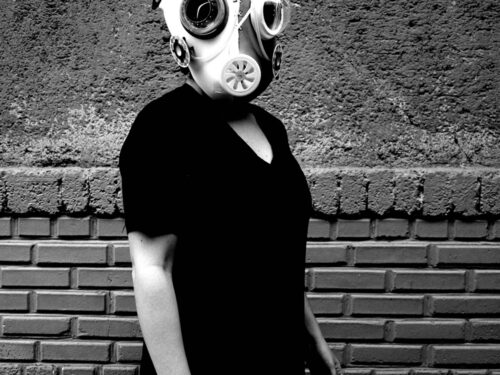
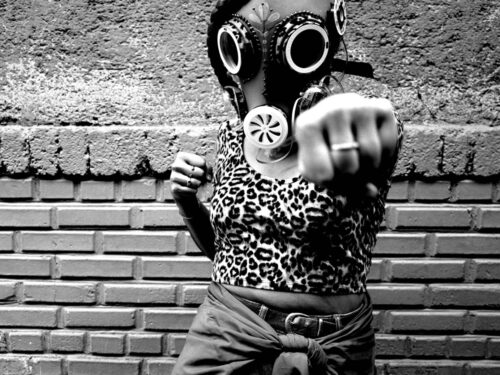
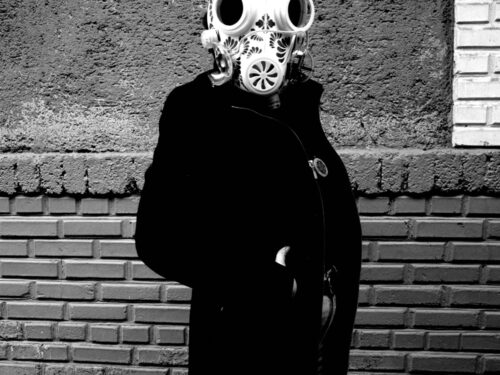
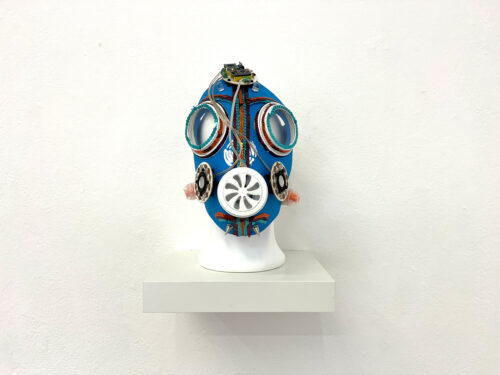
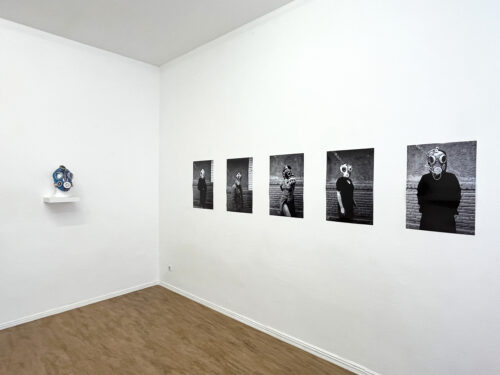
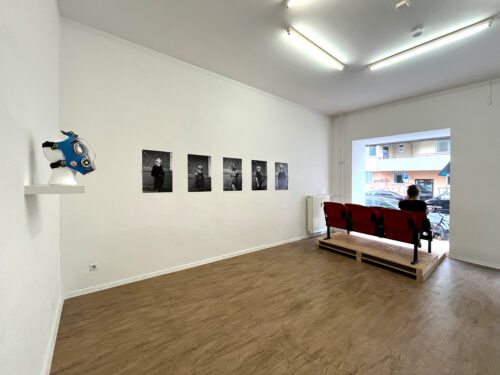
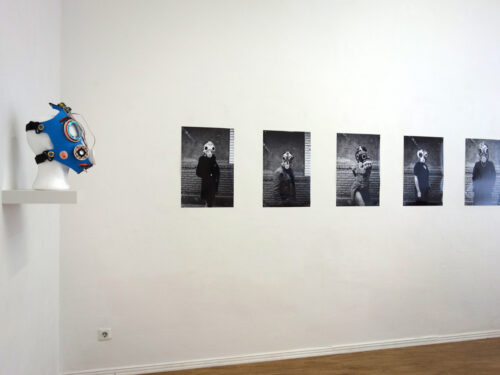
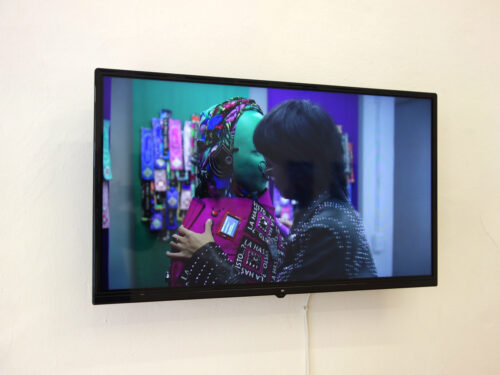
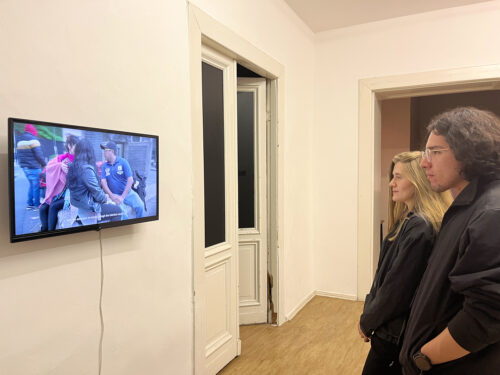
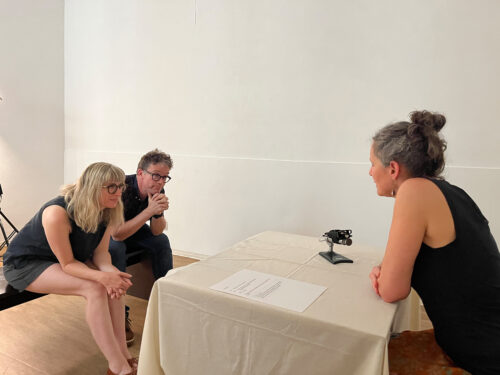
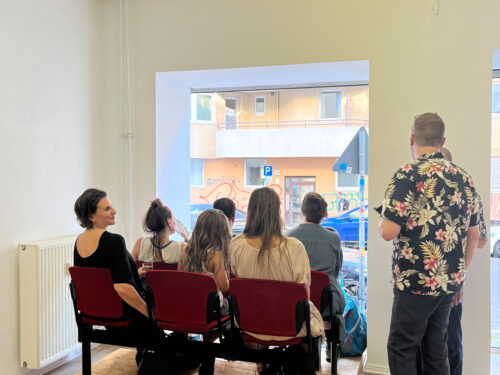
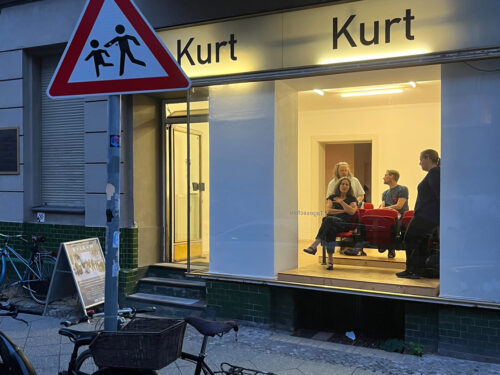
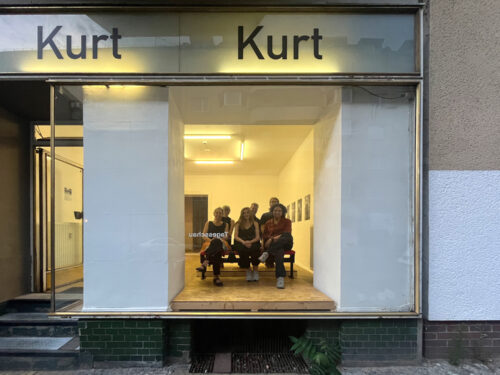
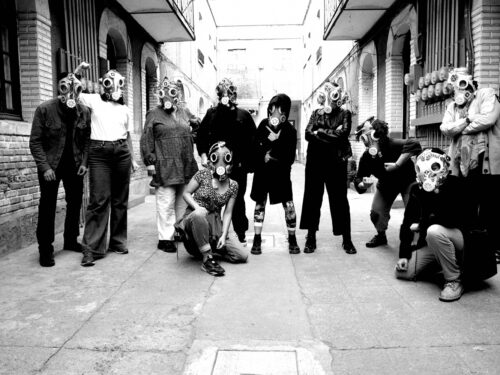
B+LA+M
2024
Ausstellung
B+LA+M
27. Juni – 12. Juli 2024
B+LA+M
27. Juni – 12. Juli 2024
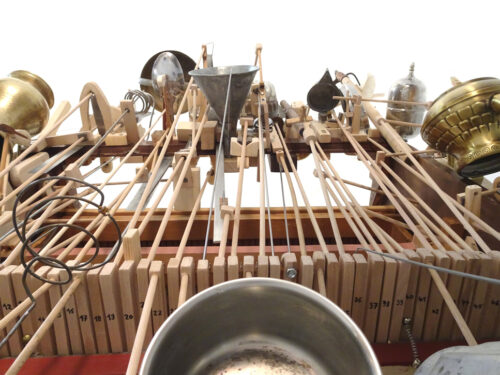
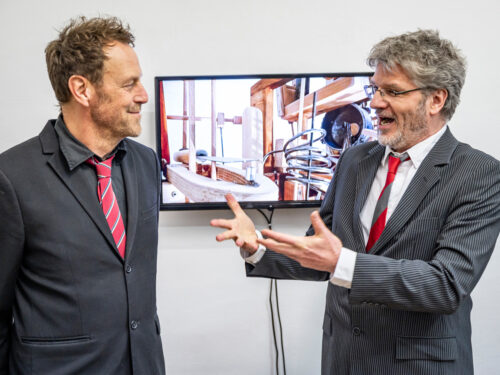
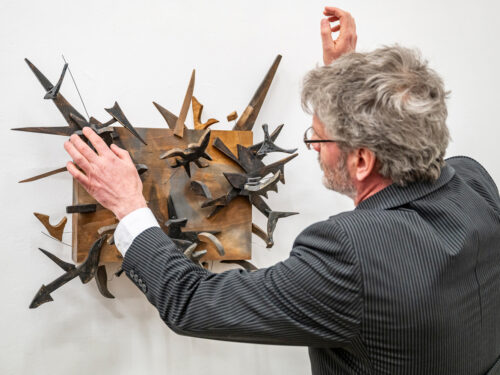
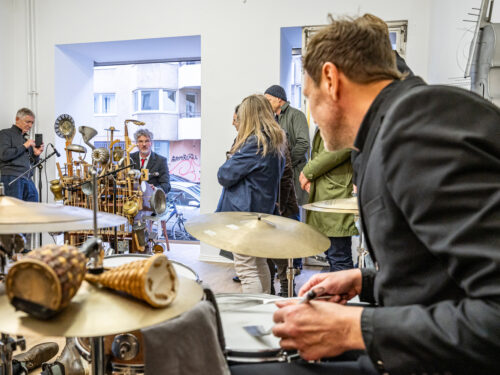
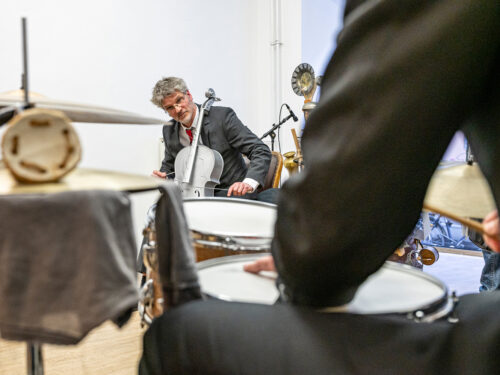
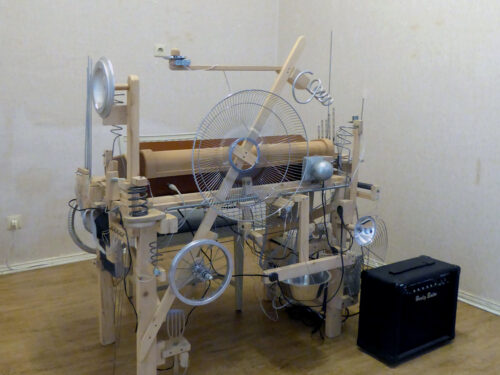
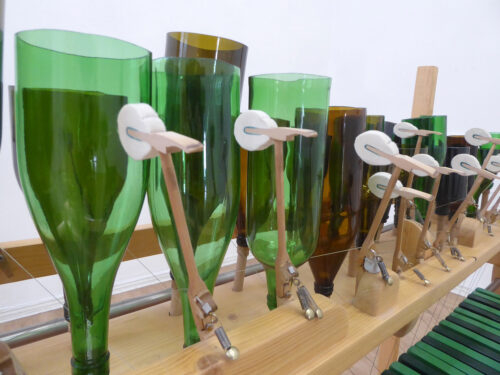
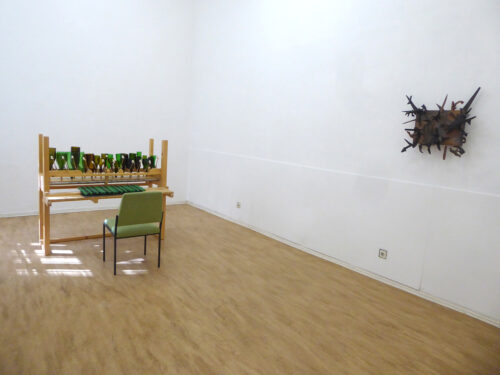
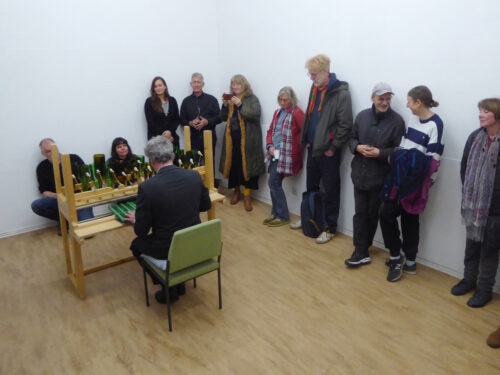
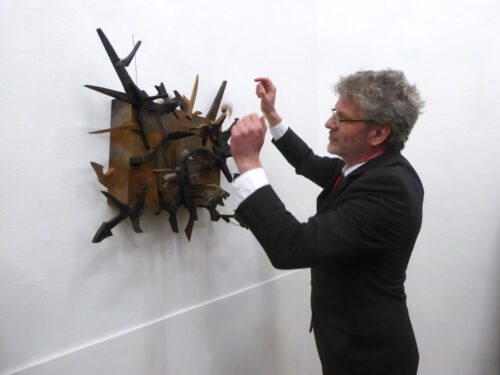
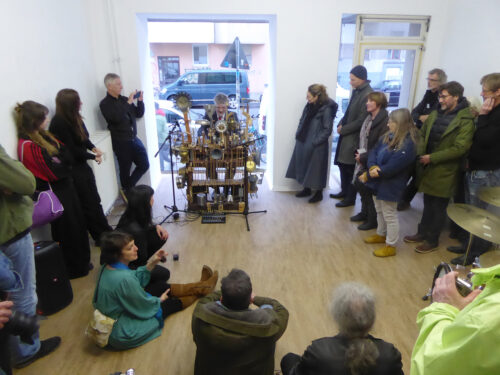
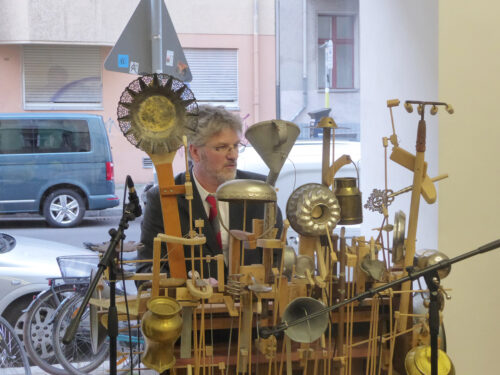
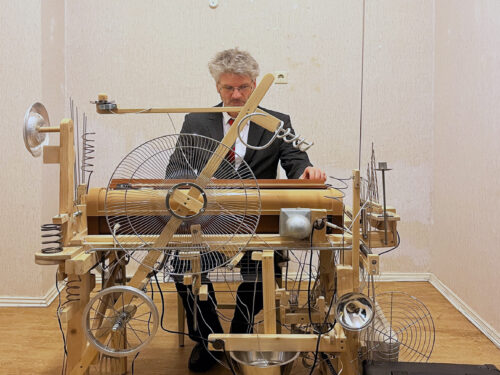
phon phon von Albrecht Fersch
2024
Ausstellung
Albrecht Fersch
25. April – 5. Mai 2024
Albrecht Fersch
25. April – 5. Mai 2024
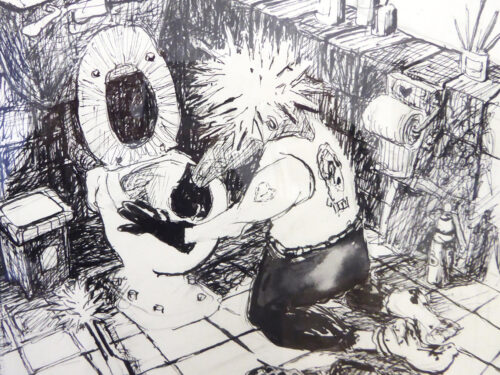
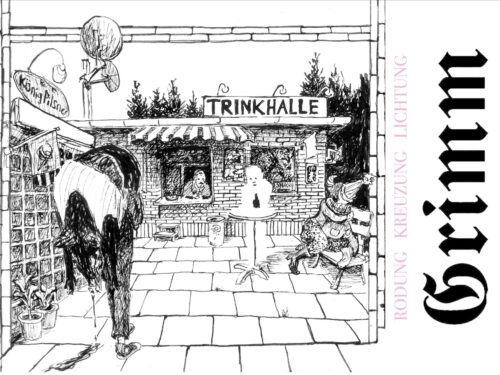
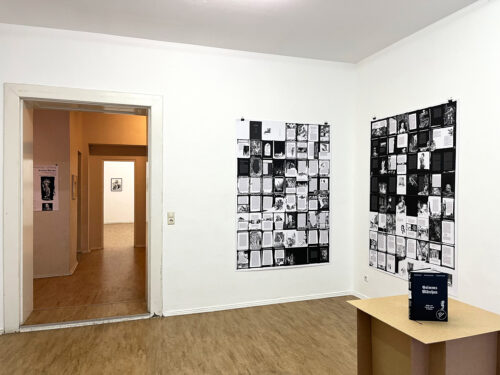
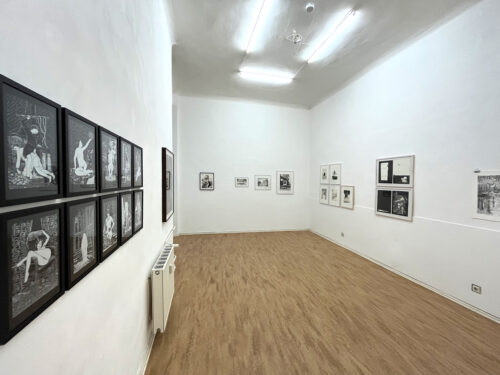
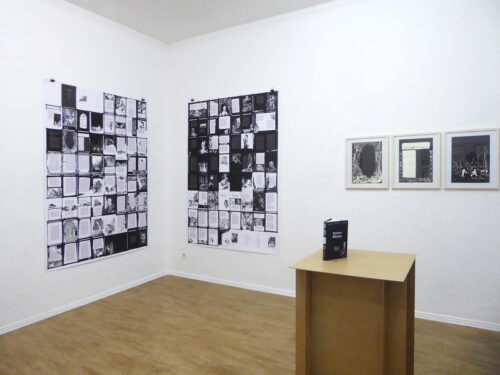
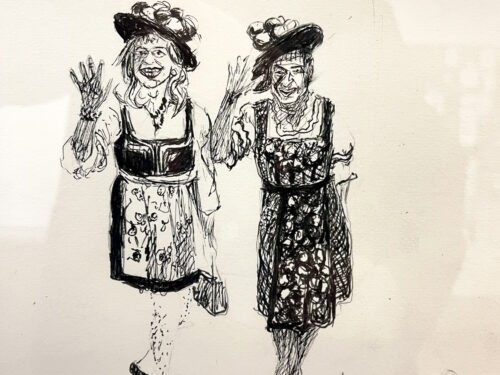
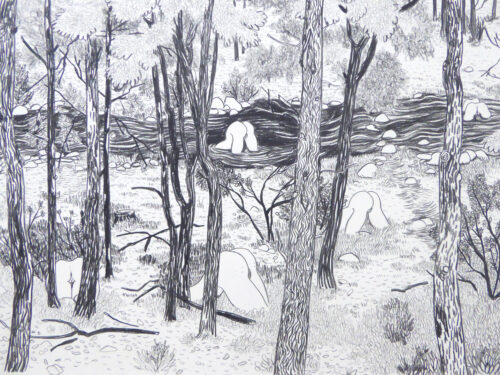
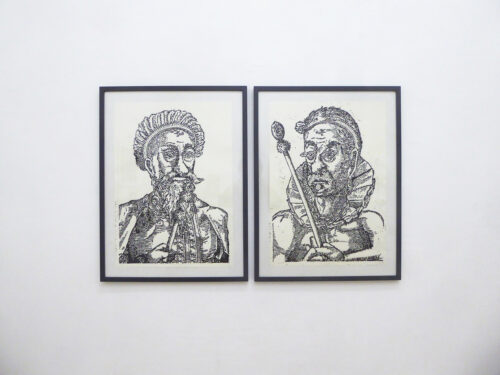
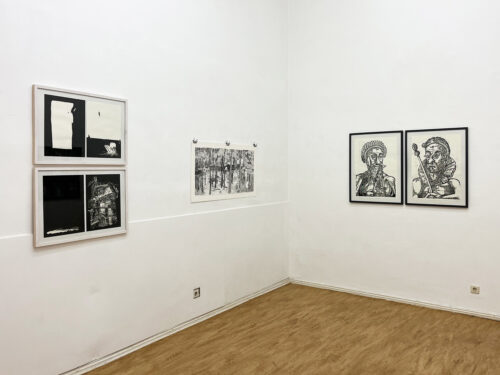
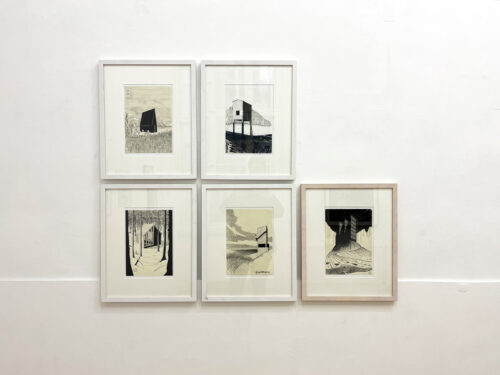
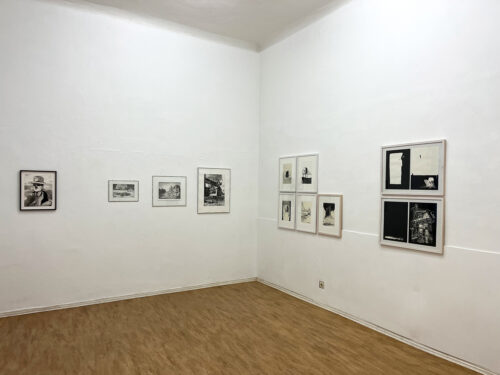
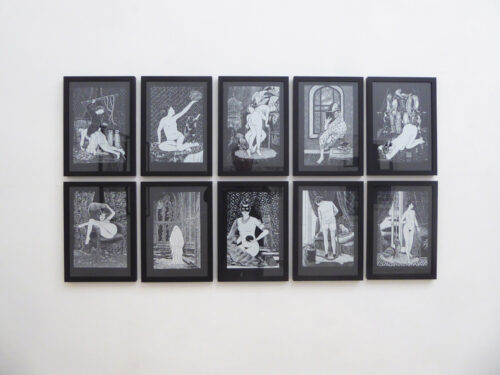
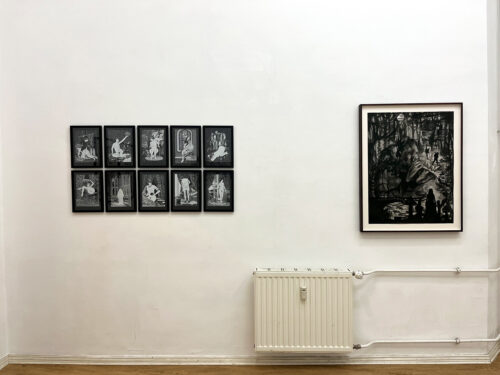
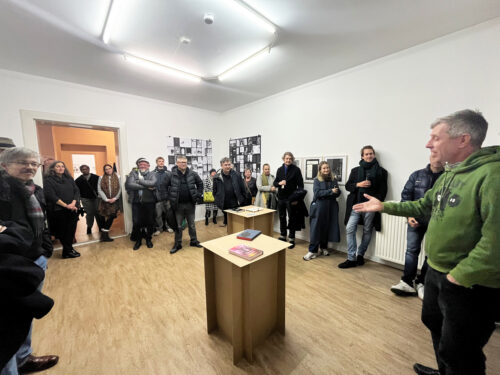
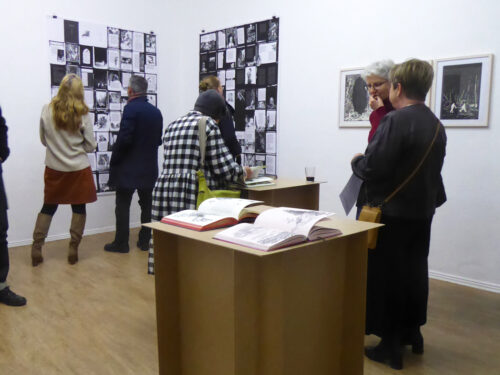
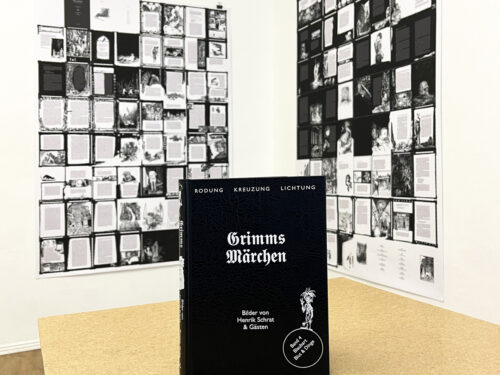
Rodung Kreuzung Lichtung
2023
Ausstellung
Henrik Schrat
24. November – 10. Dezember 2023
Henrik Schrat
24. November – 10. Dezember 2023
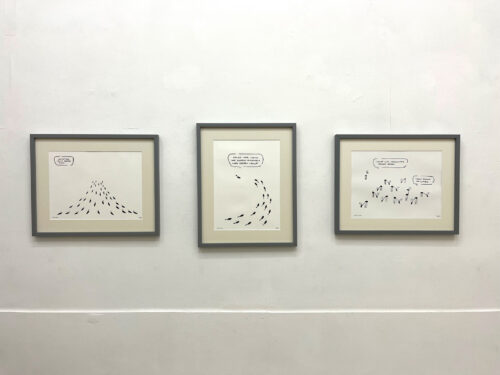
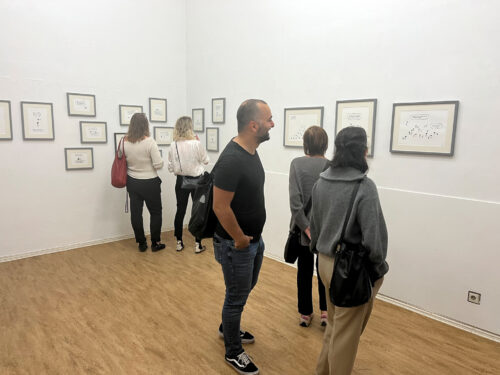
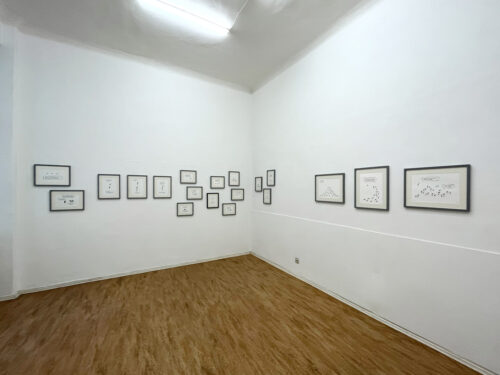
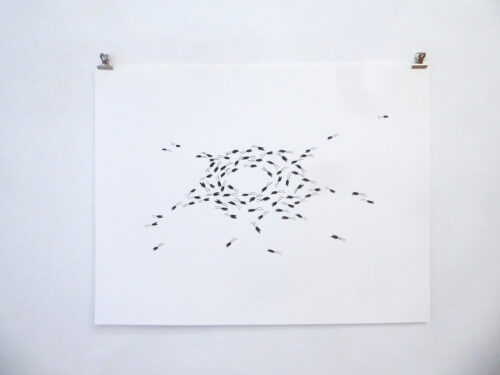
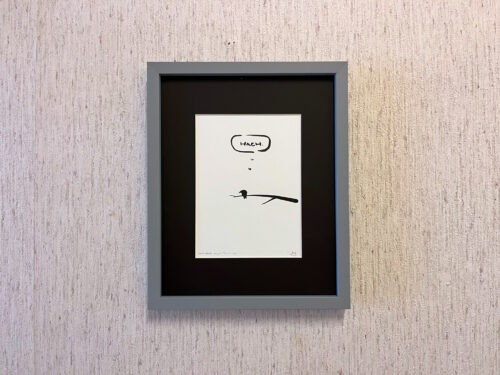
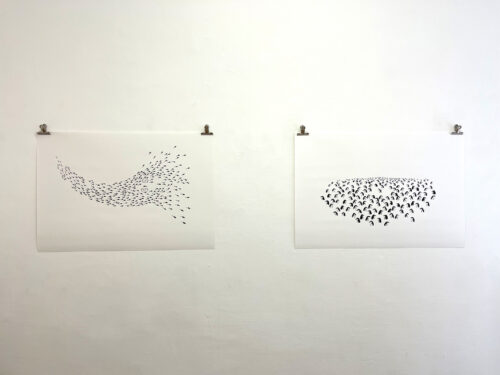
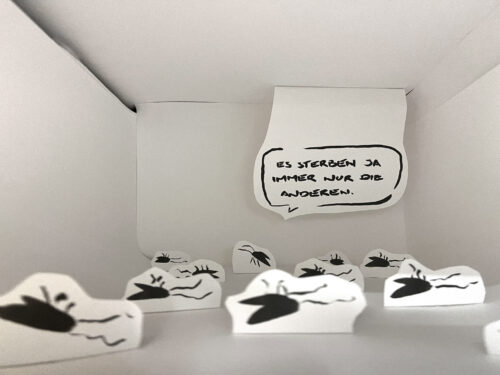
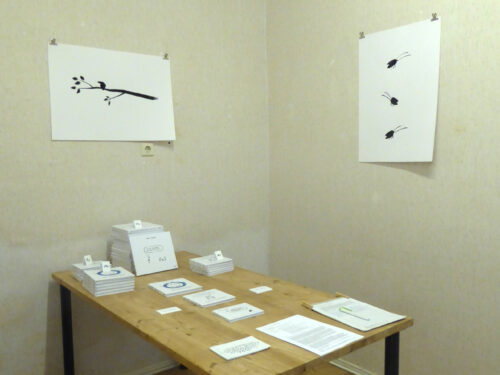
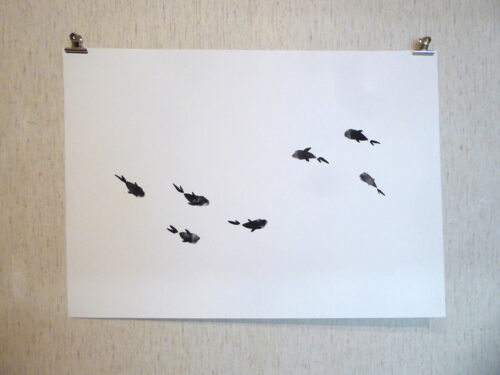
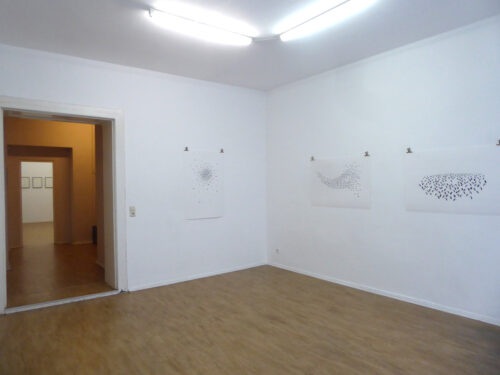
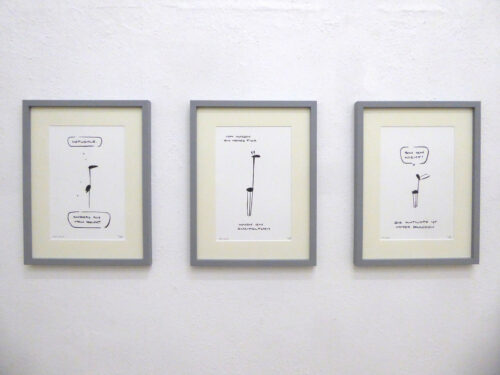
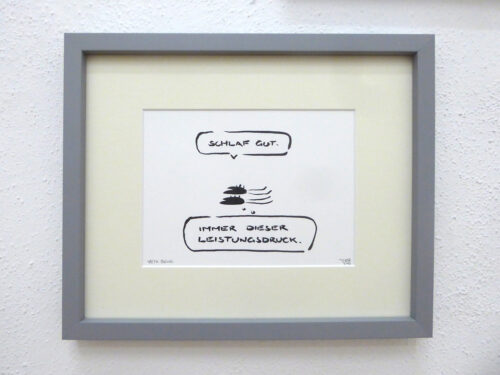
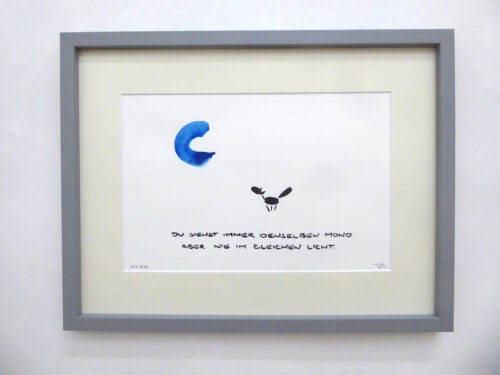
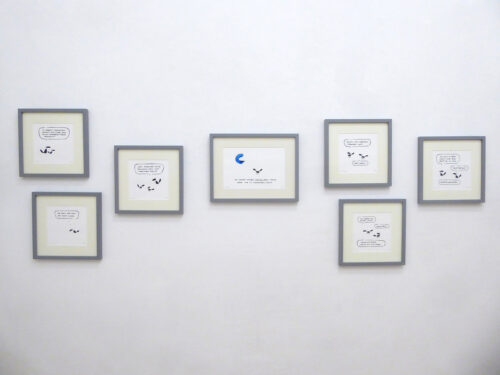
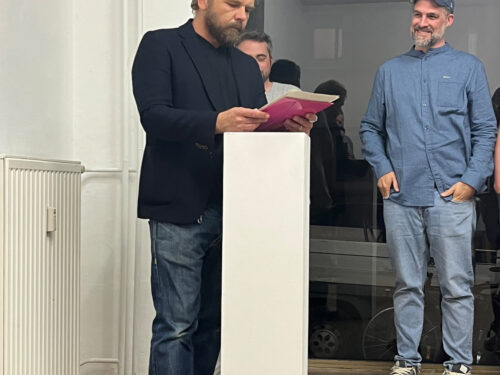
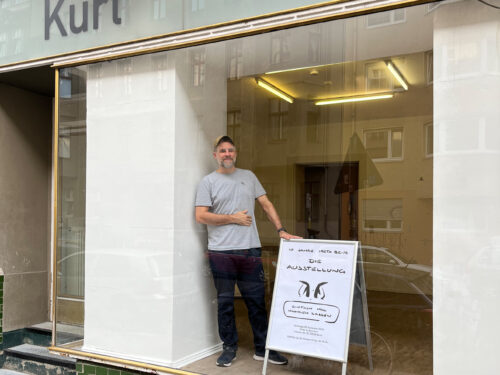
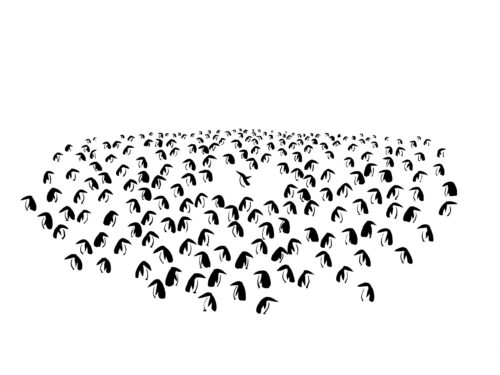
10 Jahre META BENE
2023
Ausstellung
Cartoonist Robin Thiesmeyer
28. September – 28. Oktober 2023
Cartoonist Robin Thiesmeyer
28. September – 28. Oktober 2023
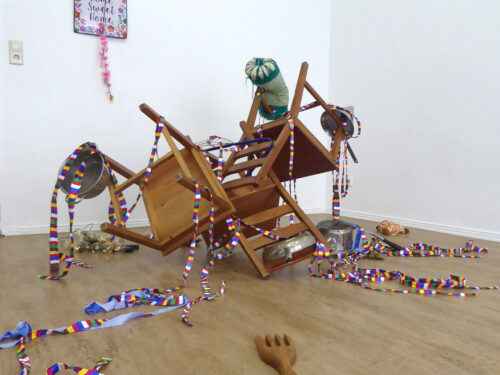
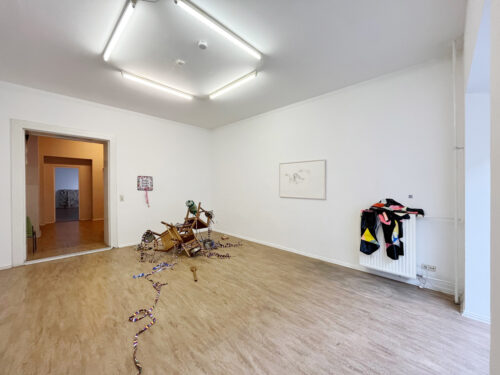
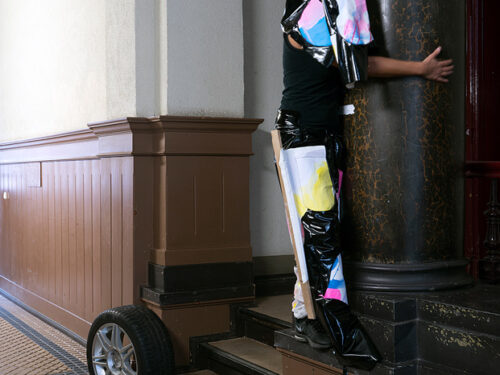
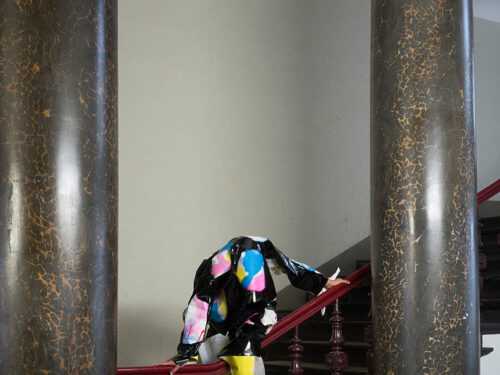
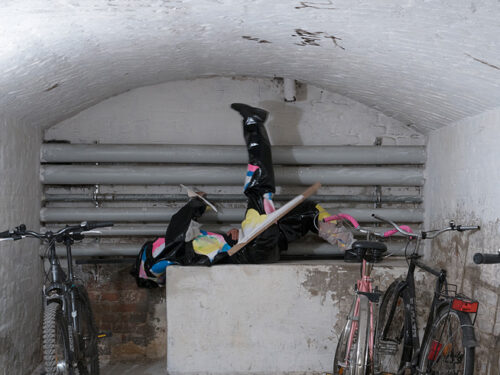
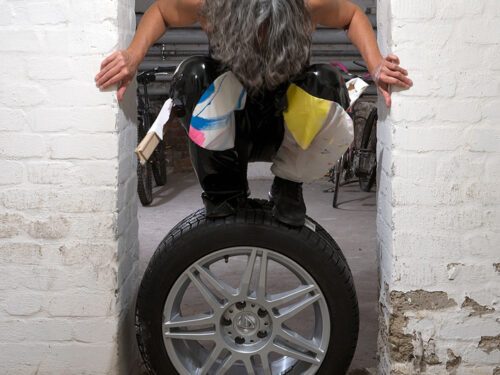
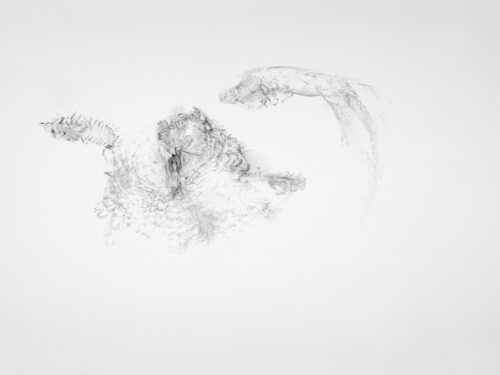
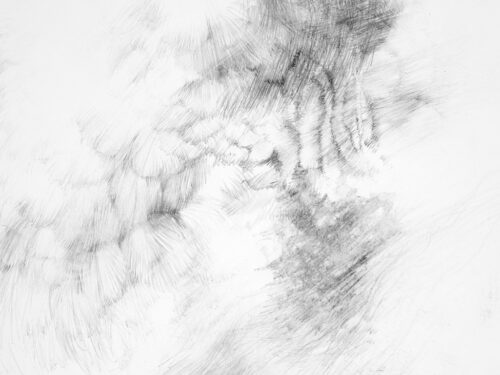
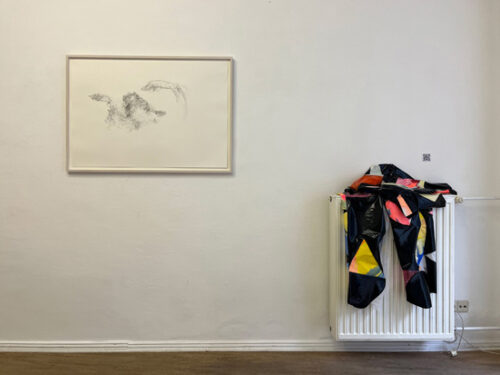
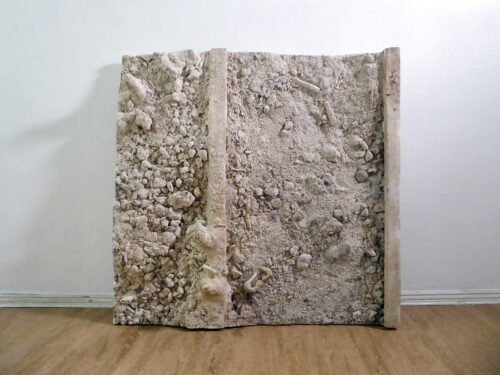
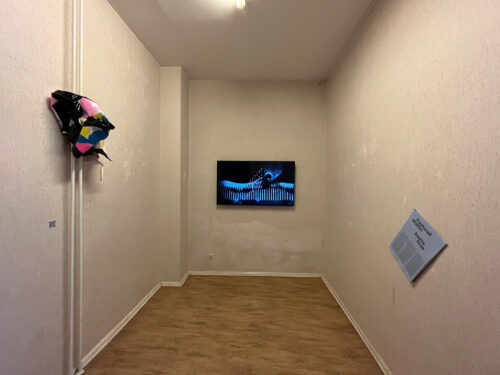
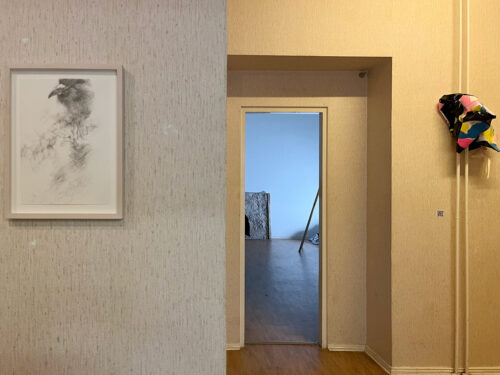
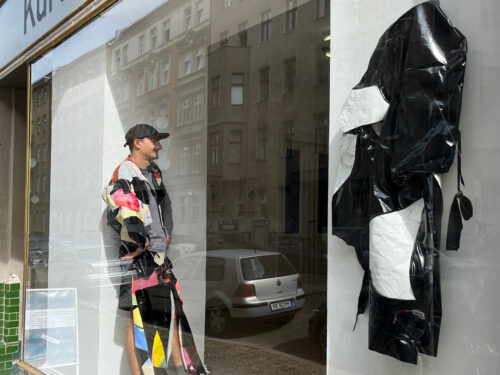
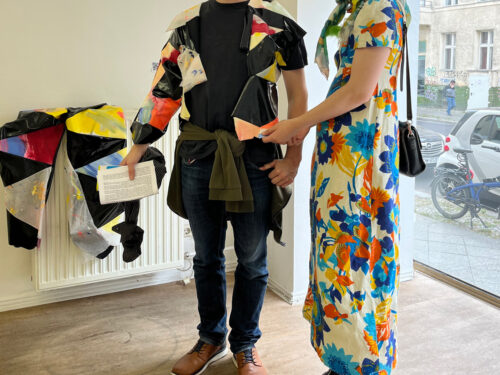
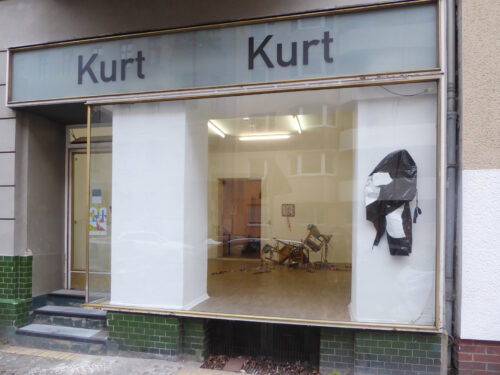
GASTARBEITERINNEN
2023
Ausstellung
Hyon-Soo Kim, Antonia Low, Anette Rose, Nicole Schuck, Andrea Stahl, Michaela Zimmer
1. - 17. September 2023
Hyon-Soo Kim, Antonia Low, Anette Rose, Nicole Schuck, Andrea Stahl, Michaela Zimmer
1. - 17. September 2023
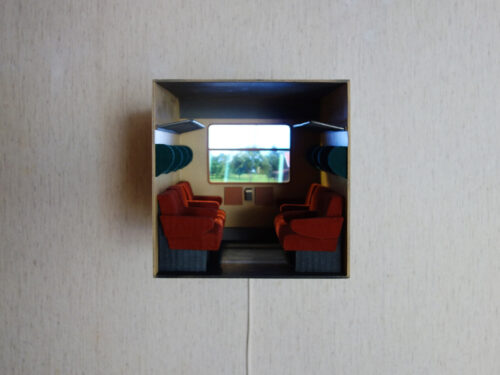
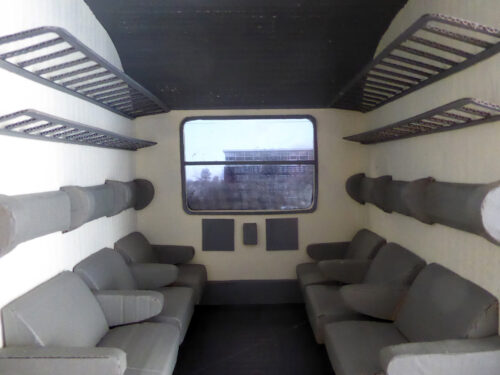
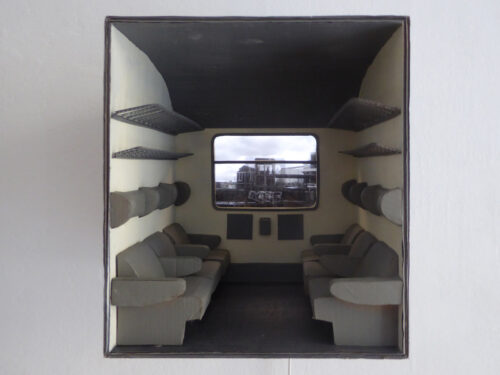
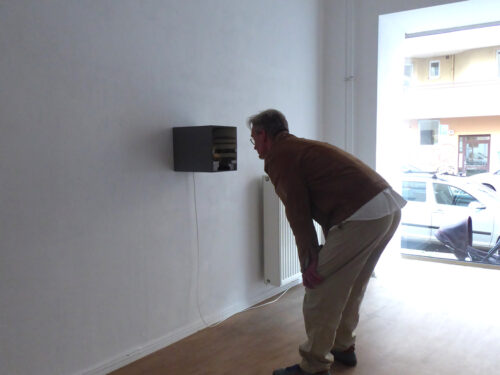
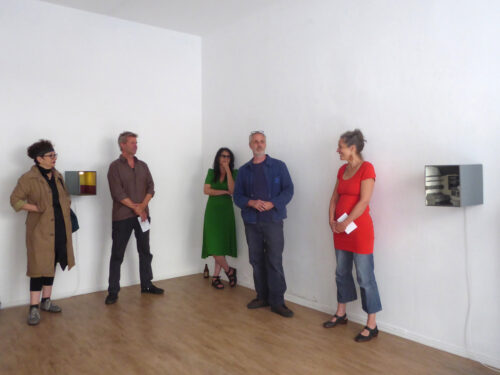
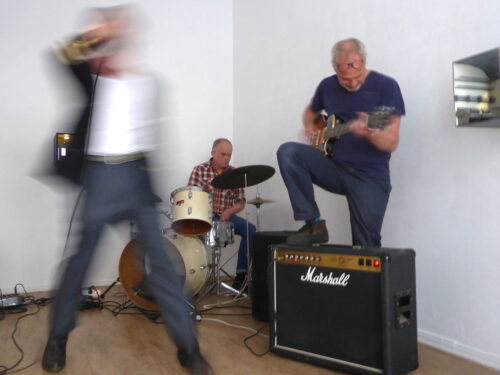
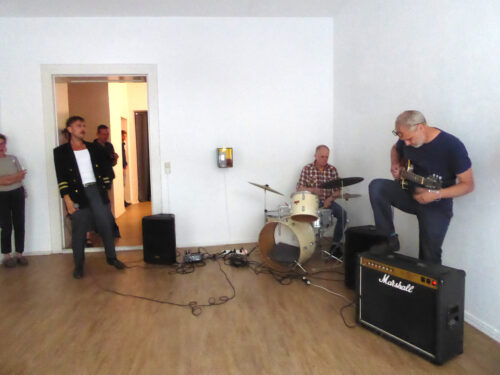
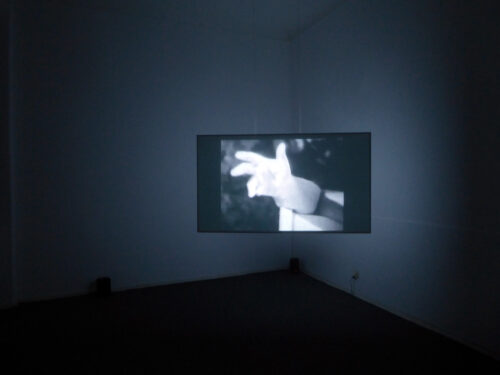
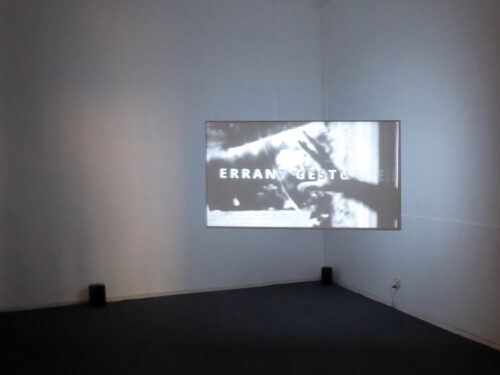
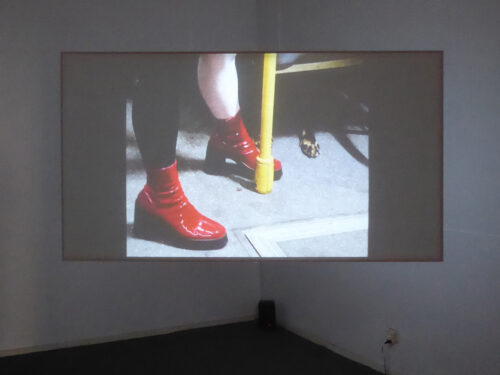
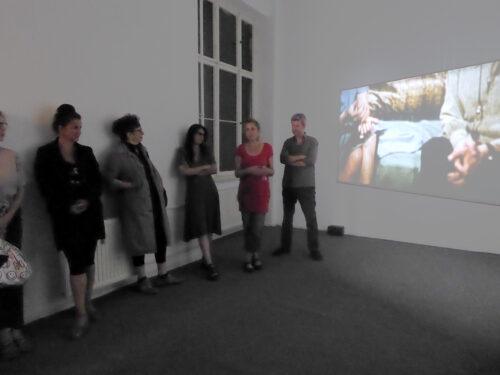
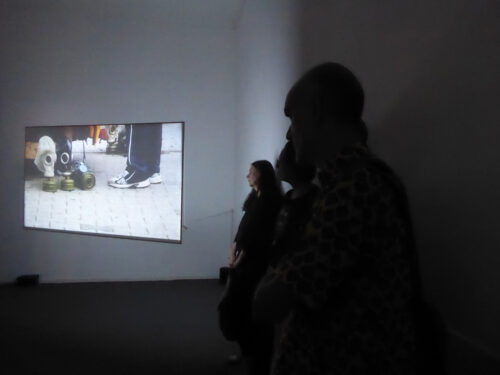
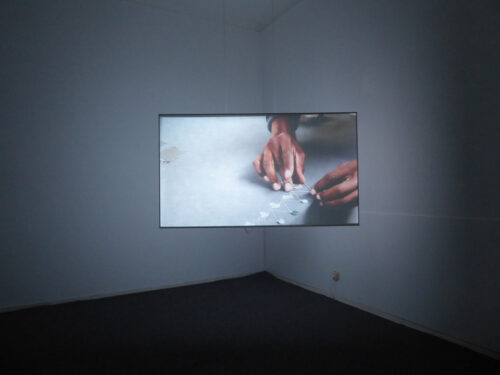
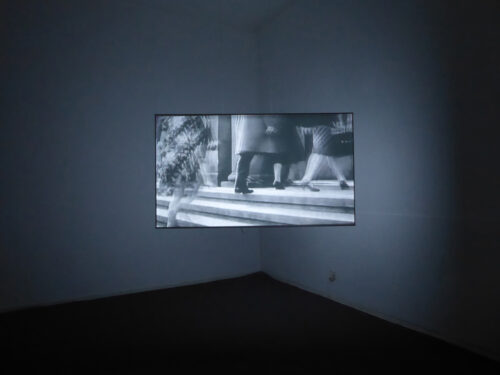
Maya Schweizer, Jan Köchermann
2023
4. - 29. Juni 2023
Teil 2 der Ausstellungsreihe:
Reisen in der Stadt
Teil 2 der Ausstellungsreihe:
Reisen in der Stadt
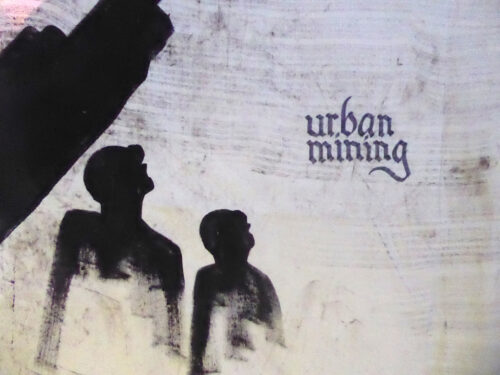
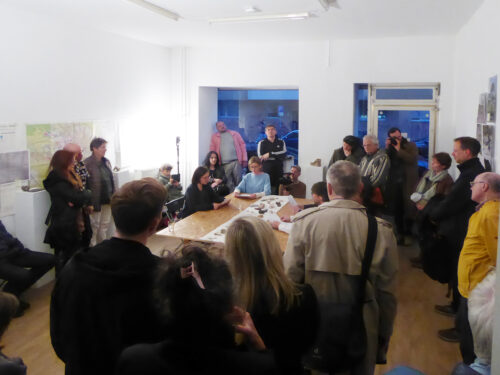
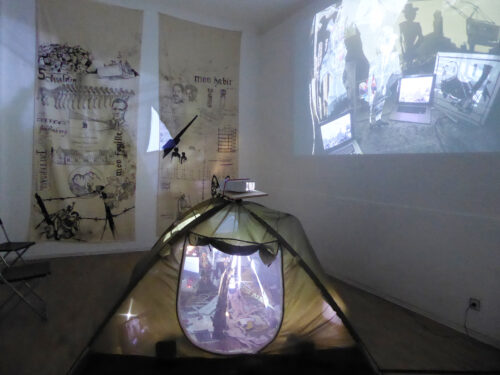
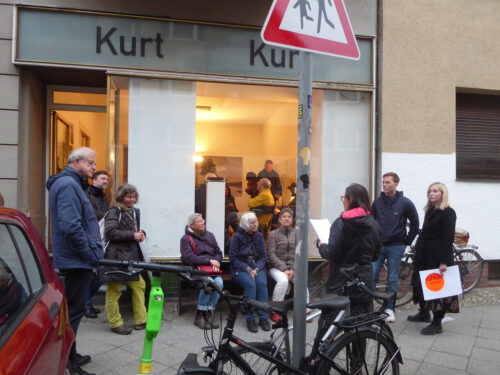
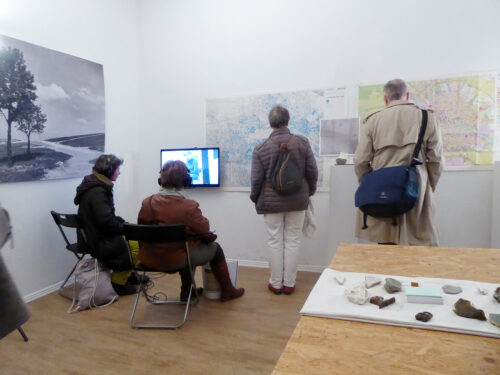
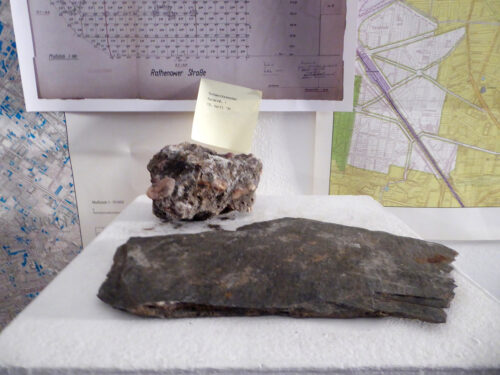
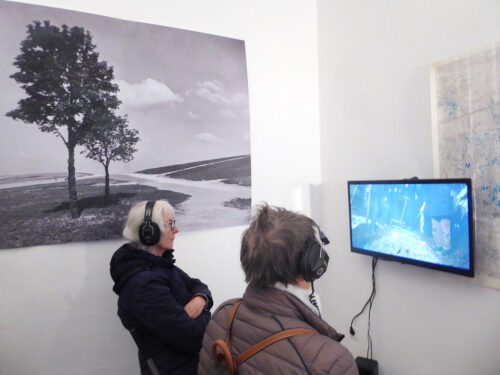
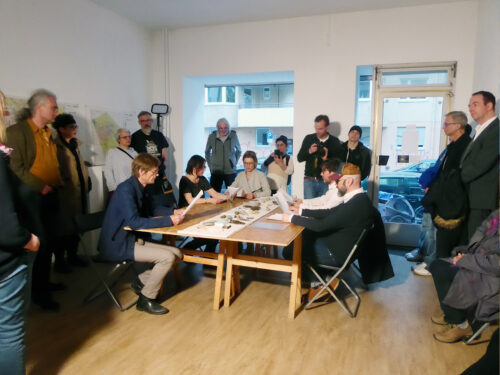
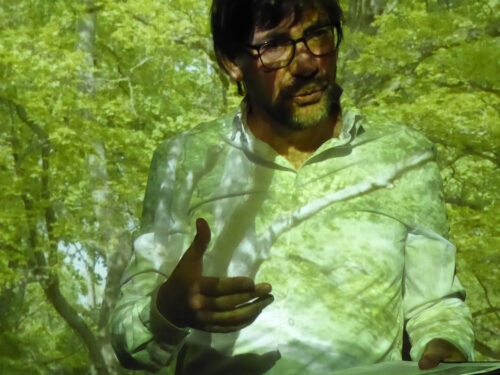
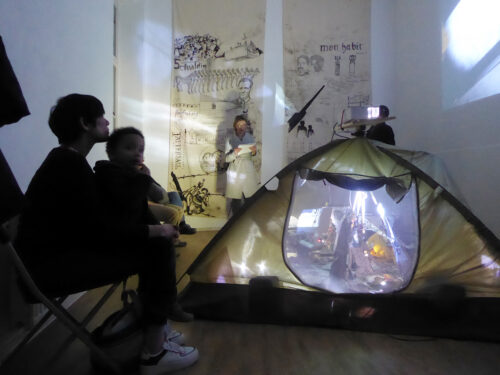
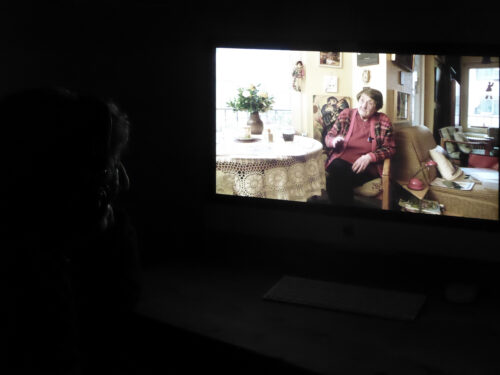
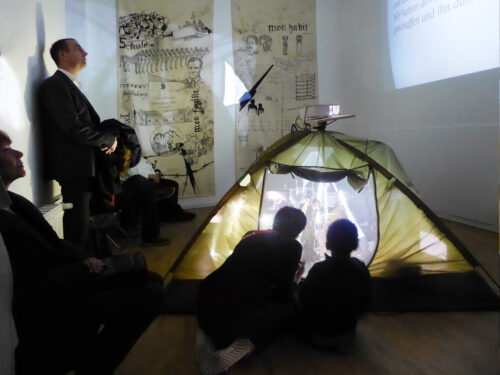
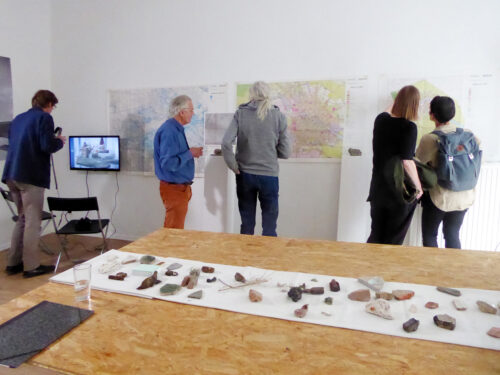
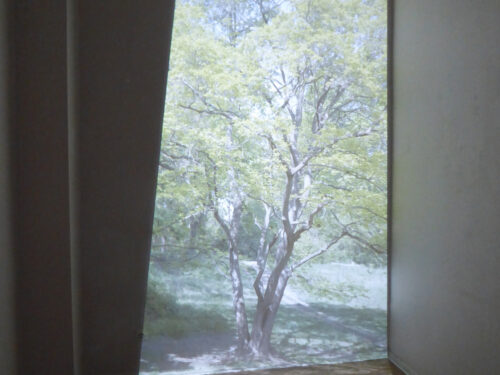
Urban Mining Moabit – Bodenproben Trümmerberge
2023
5., 6., 7. Mai 2023
Ausstellung innerhalb der Ausstellungsreihe:
Reisen in der Stadt
Ausstellung innerhalb der Ausstellungsreihe:
Reisen in der Stadt
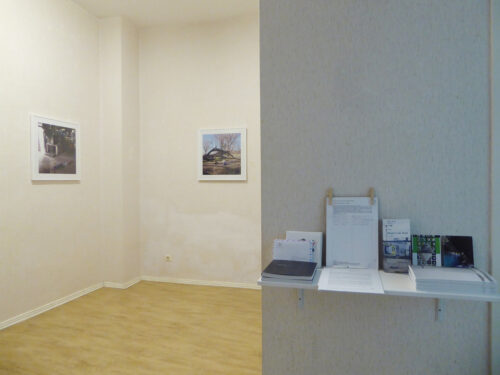
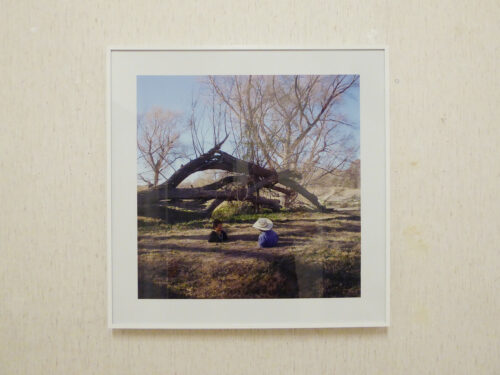
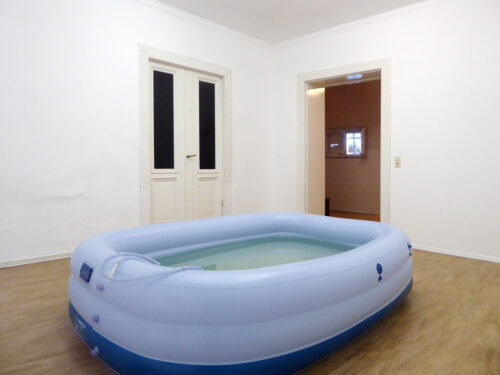
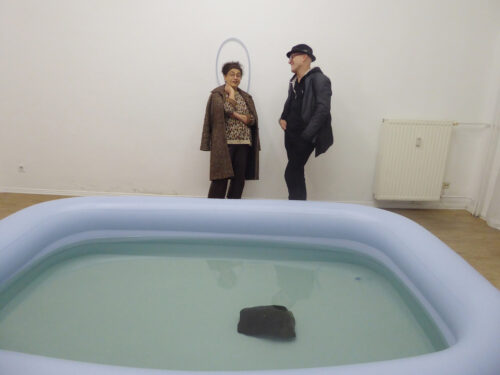
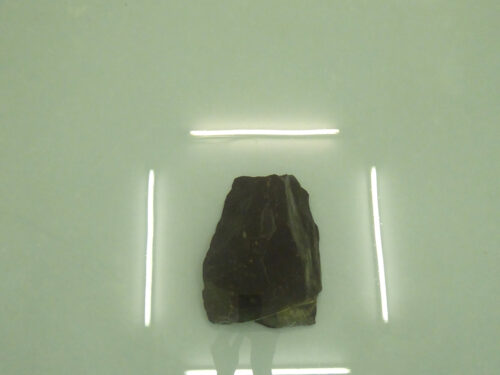
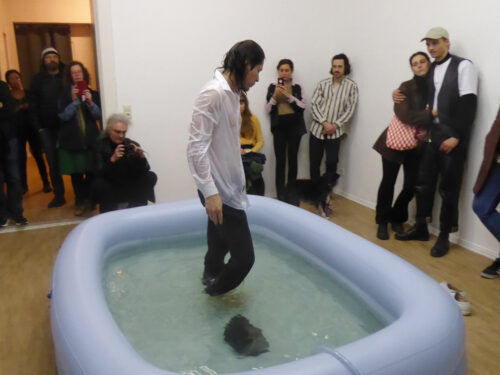
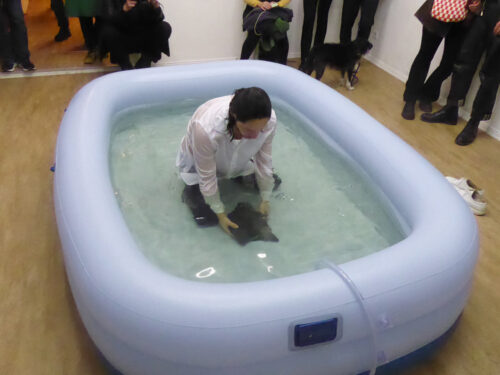
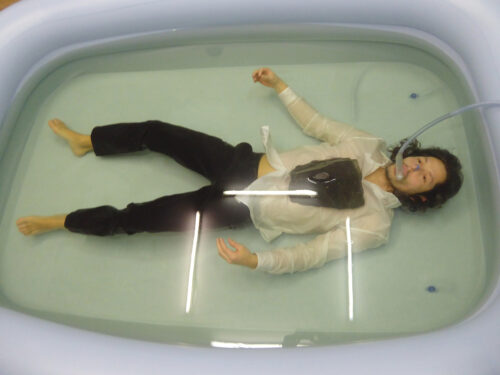
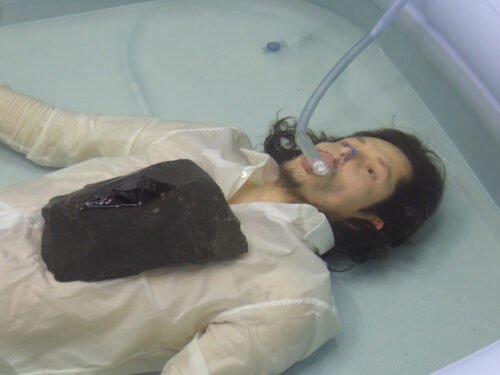
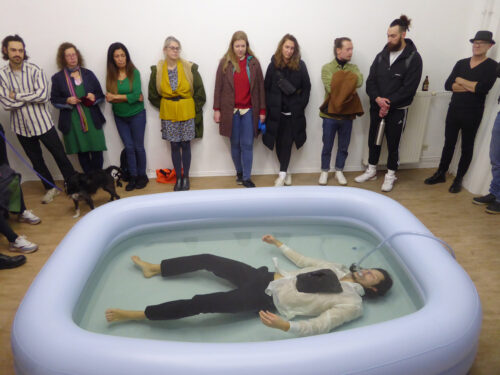
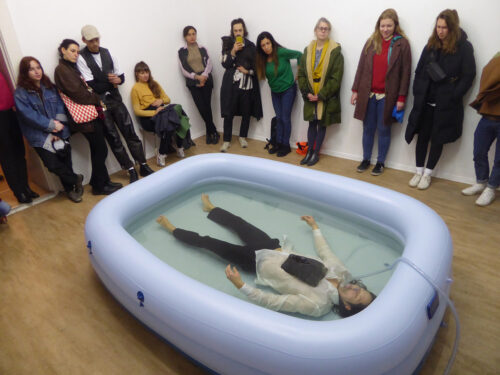
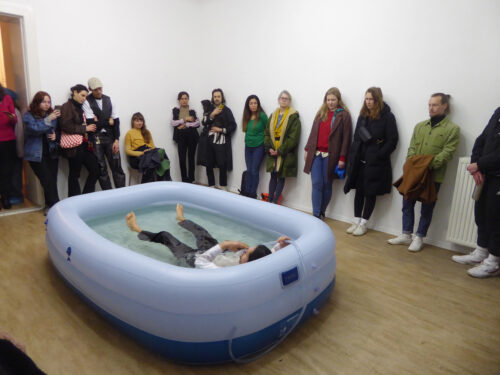
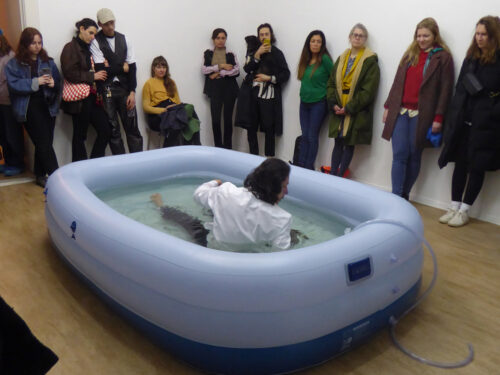
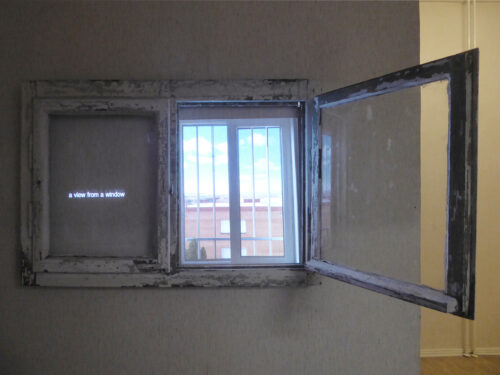
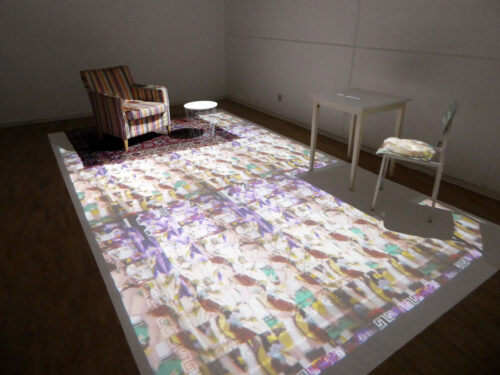
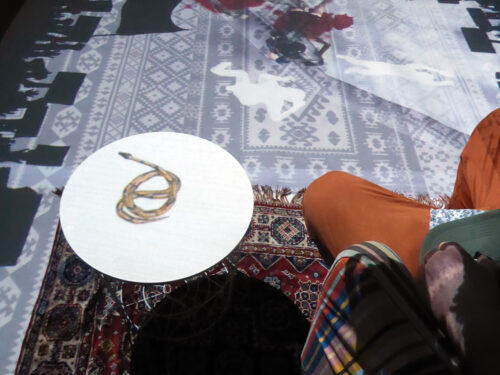
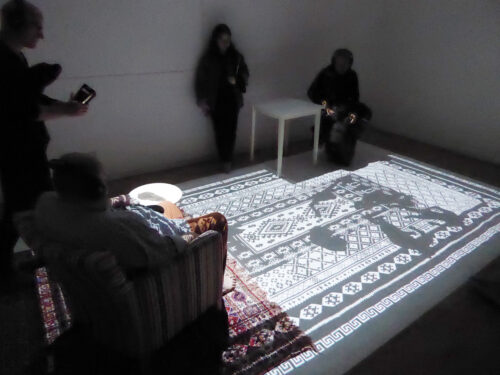
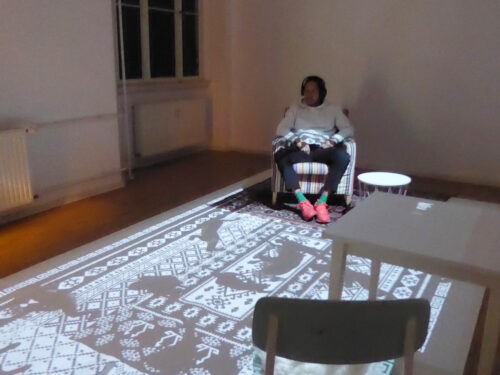
Sharon Paz, Rafael Ibarra
2023
30. März – 30. April 2023
Teil 1 der Ausstellungsreihe:
Reisen in der Stadt
Teil 1 der Ausstellungsreihe:
Reisen in der Stadt
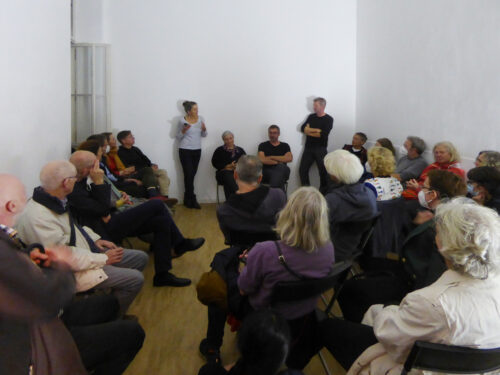
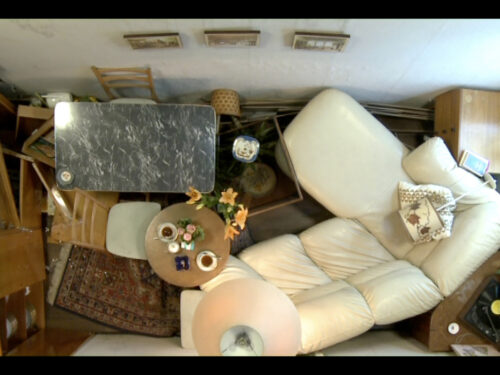
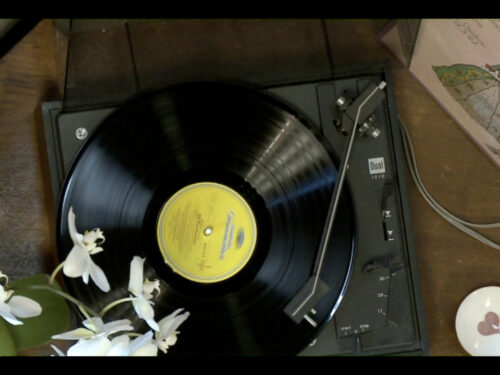
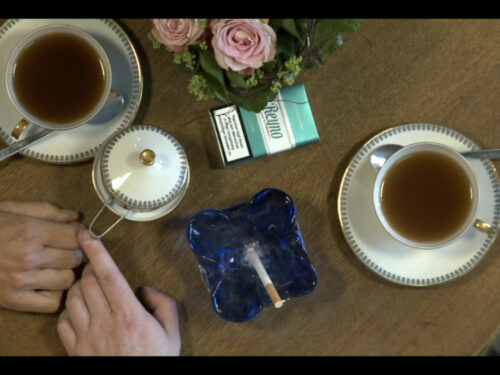
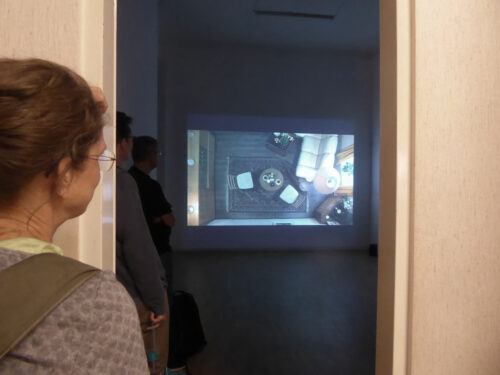
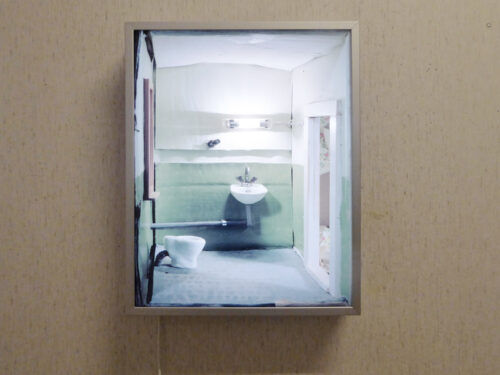
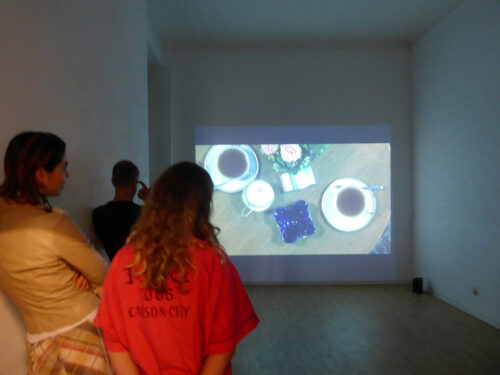
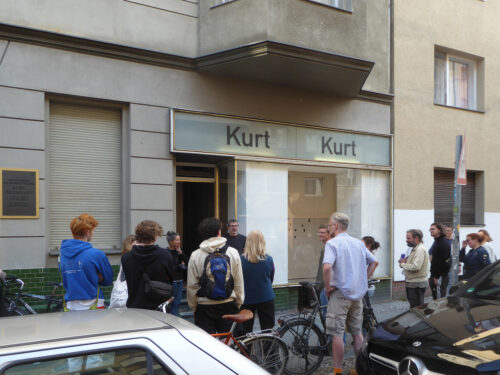
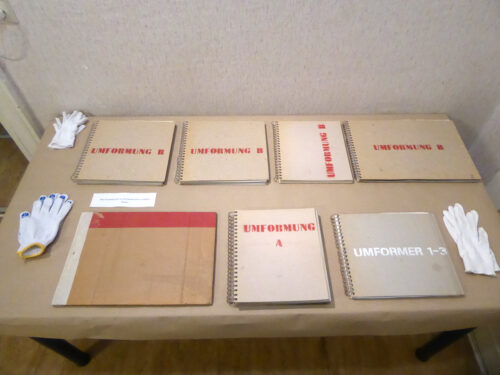
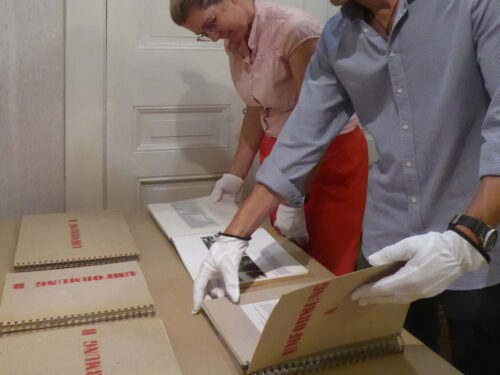
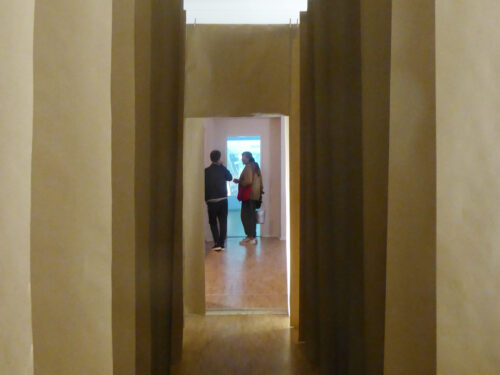
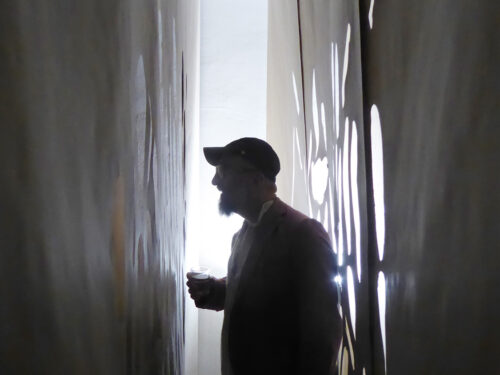
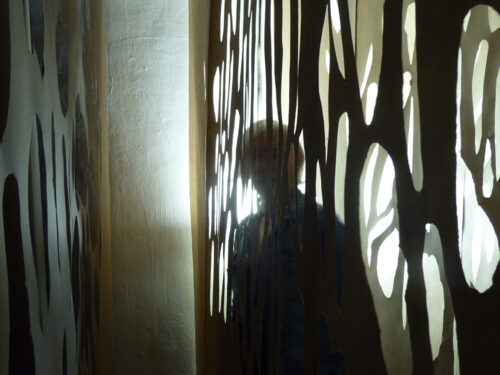
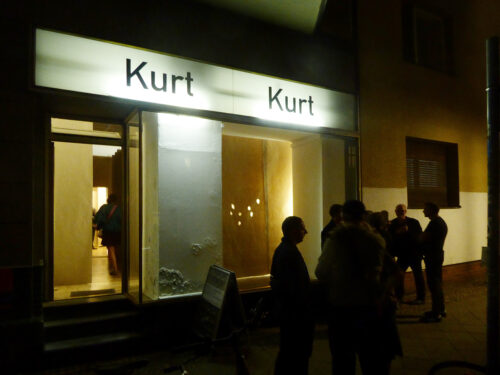
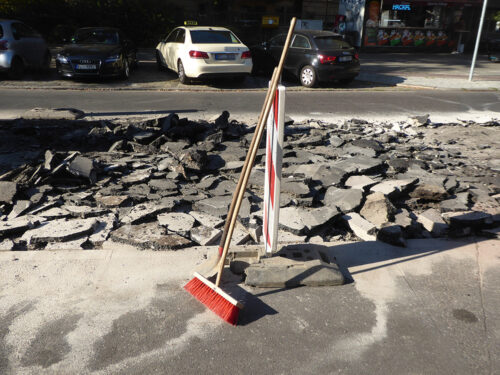
Martin Kaltwasser, Susanne Kutter
Baustelle
2022
Ausstellung
26. August – 17. September Juli 2022
26. August – 17. September Juli 2022
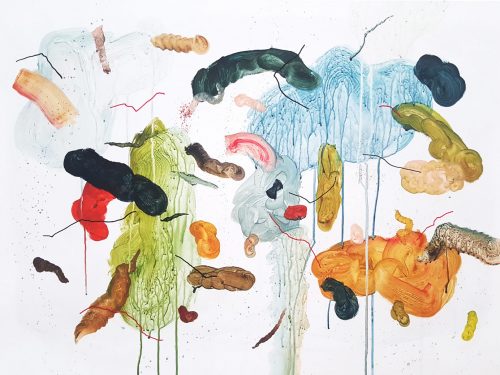
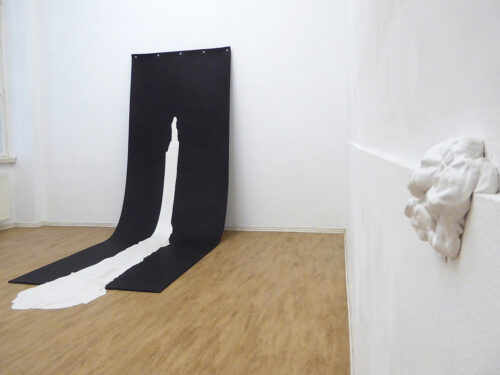
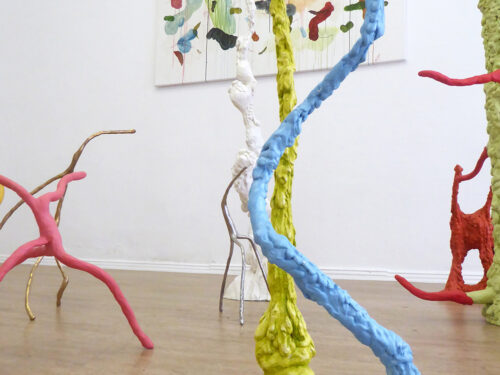
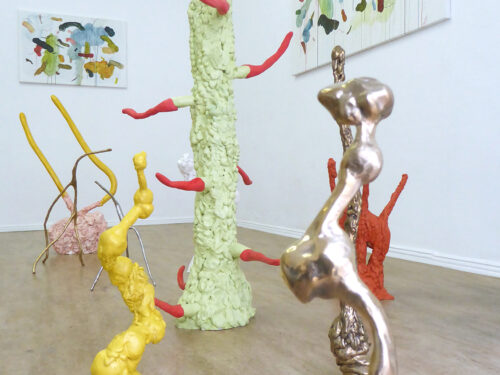
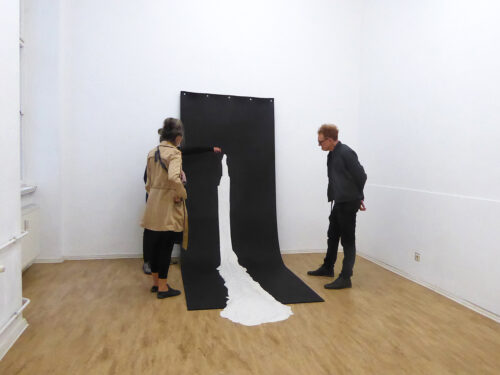
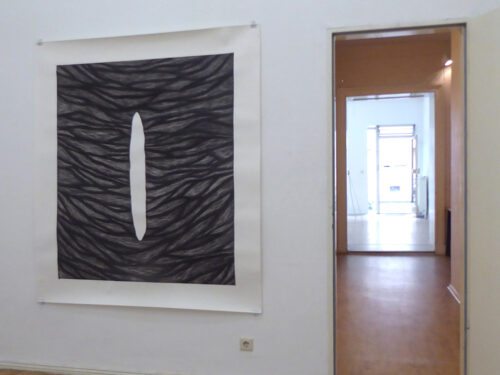
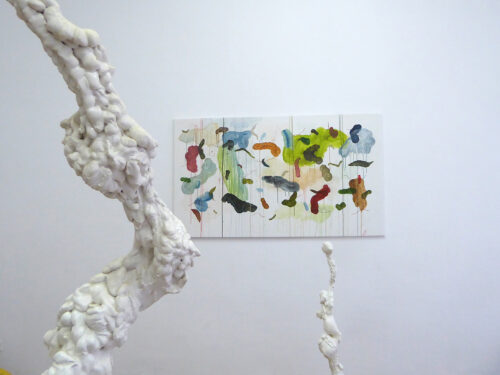
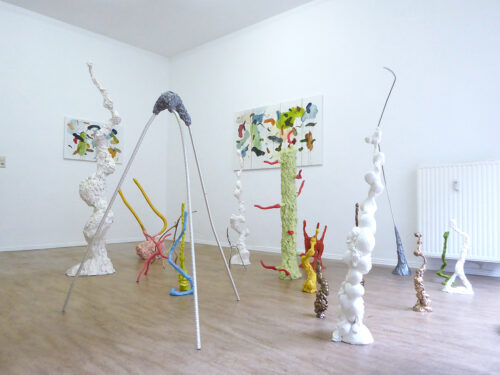
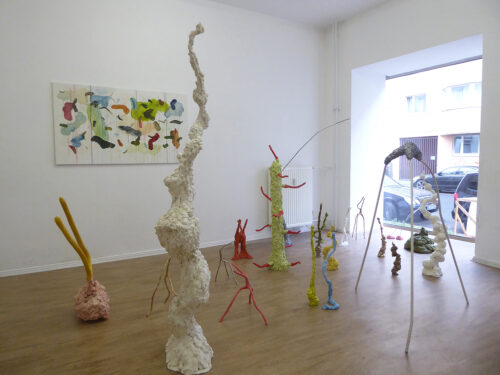
Heather Allen:
Here to there and back – again
2022
Ausstellung
9. Juni – 9. Juli 2022
9. Juni – 9. Juli 2022
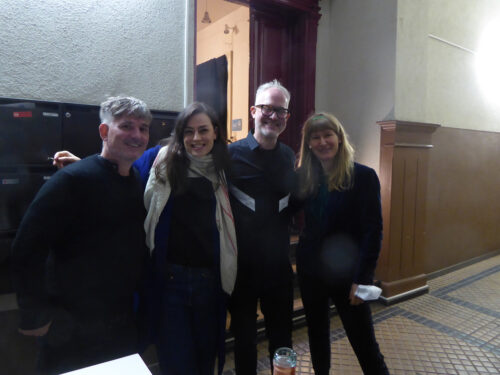
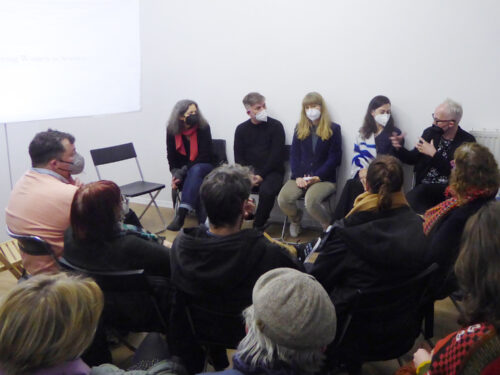
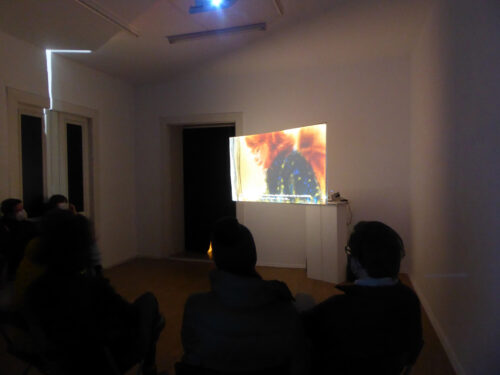
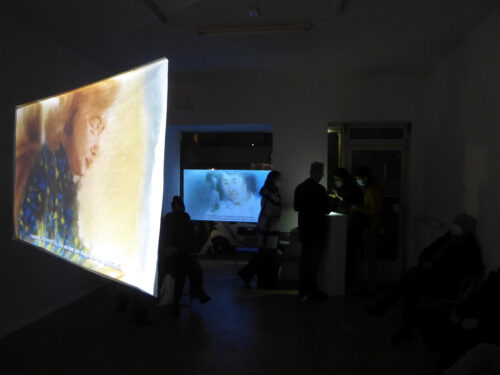
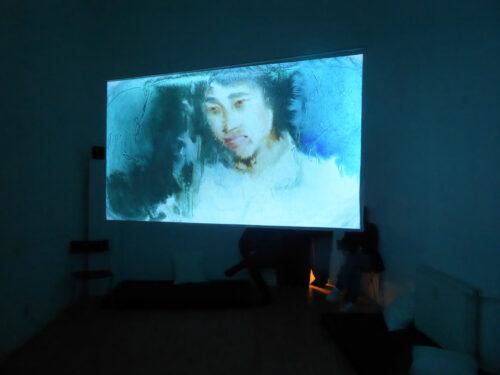
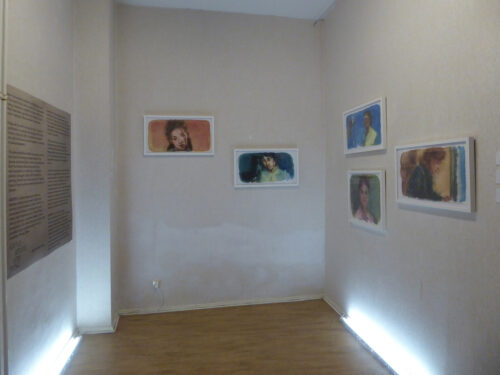
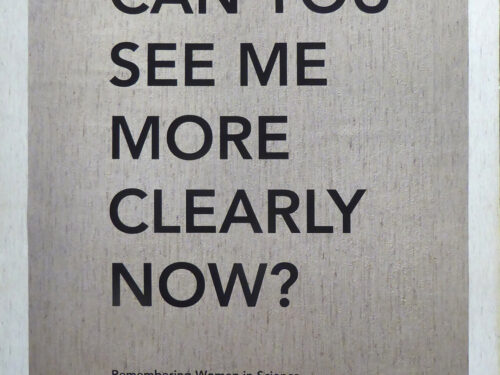
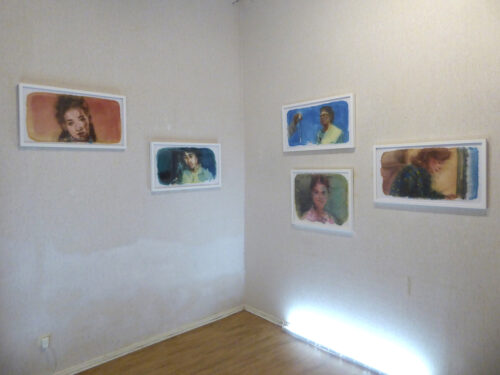
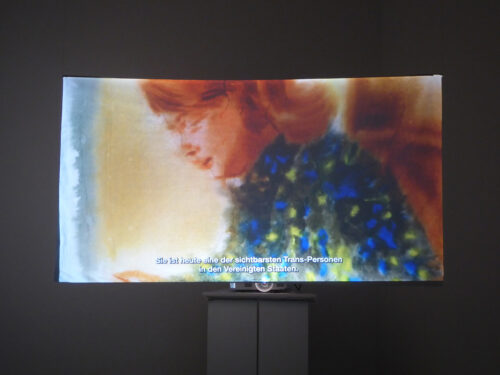
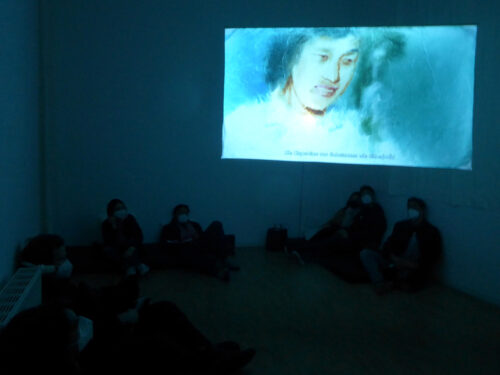
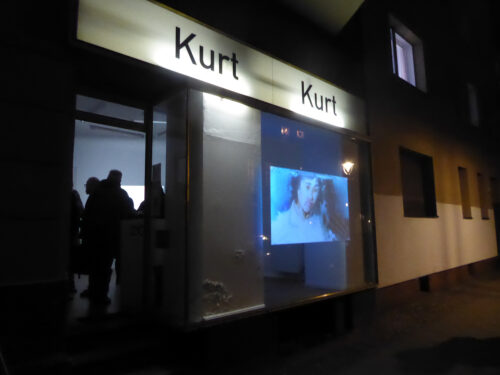
Can You See Me More Clearly Now? –
Remembering Women in Science
2021
Ausstellung
25. November – 19. Dezember 2021
25. November – 19. Dezember 2021
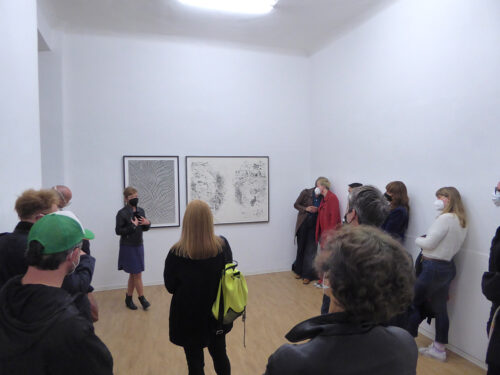
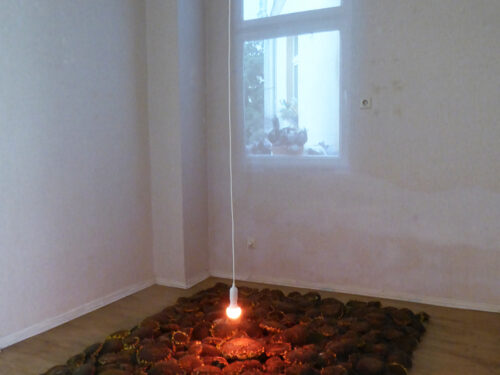
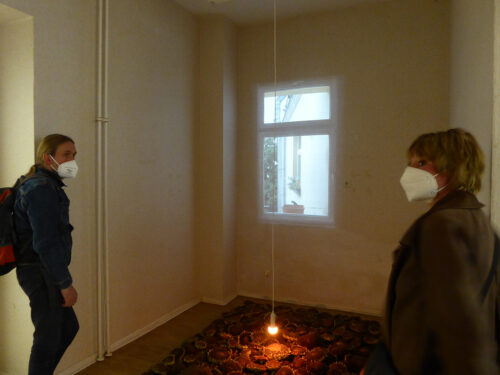
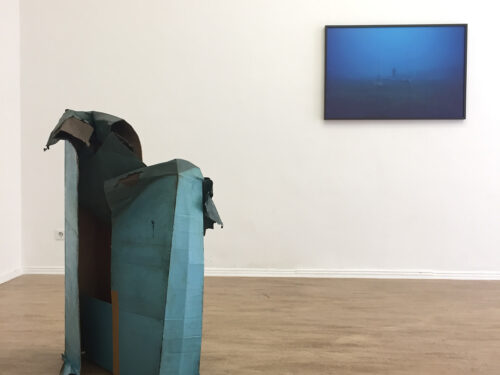
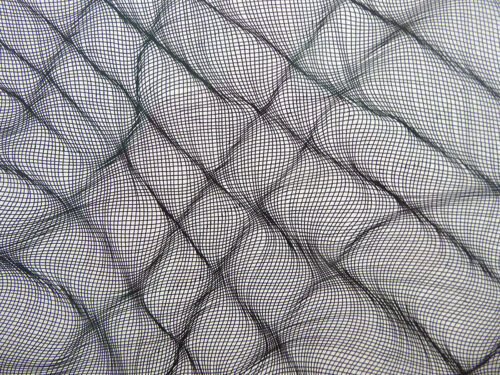
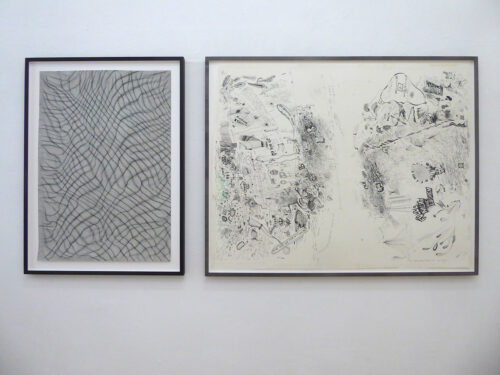
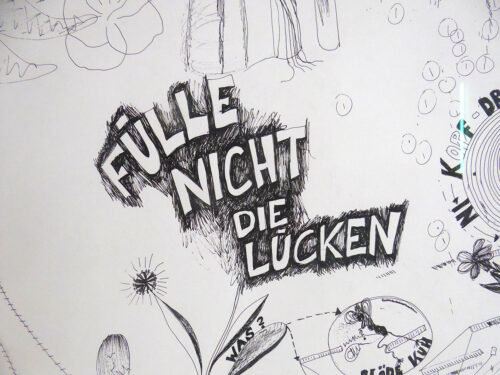
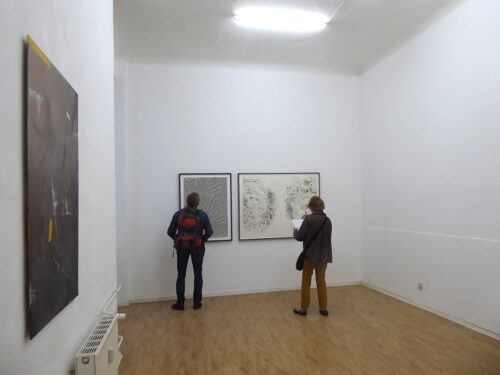
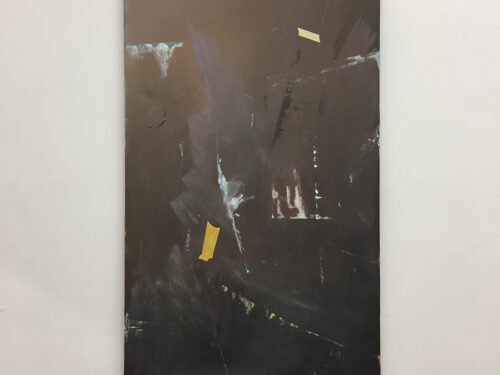
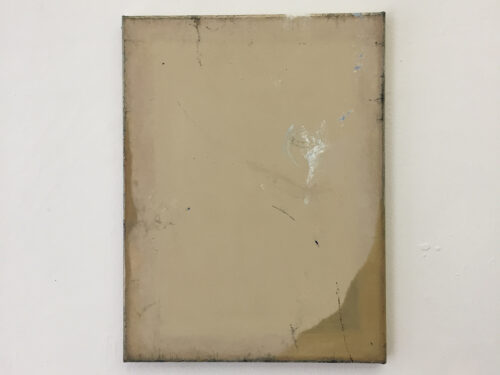
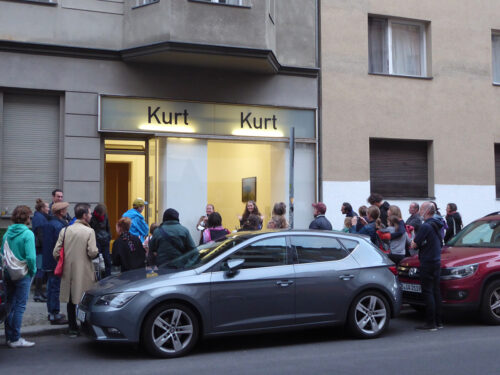
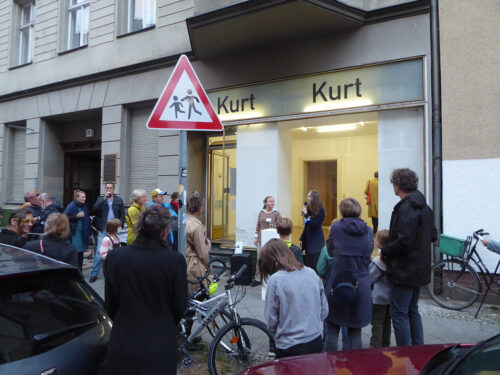
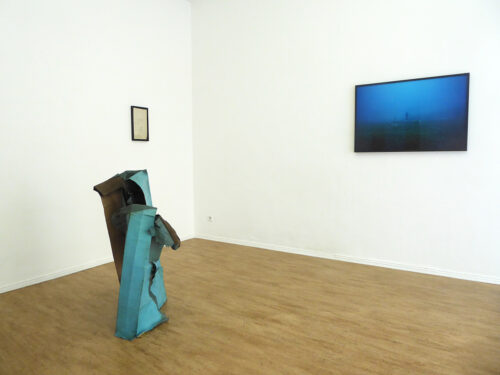
Fast Forward
2021
Ausstellung
27. August – 19. September 2021
Tom Früchtl, Mischa Leinkauf, Peter Müller, Silke Panknin, Sonya Schönberger, Heidi Sill
27. August – 19. September 2021
Tom Früchtl, Mischa Leinkauf, Peter Müller, Silke Panknin, Sonya Schönberger, Heidi Sill
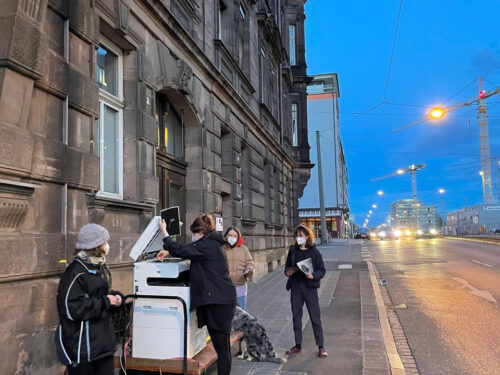
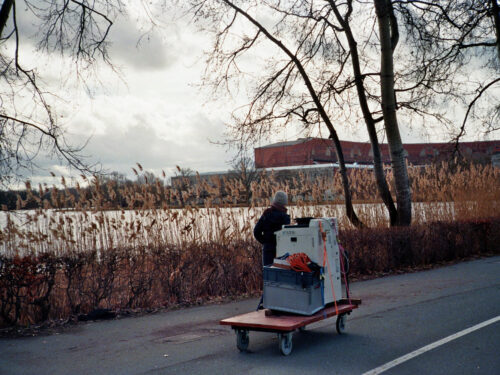
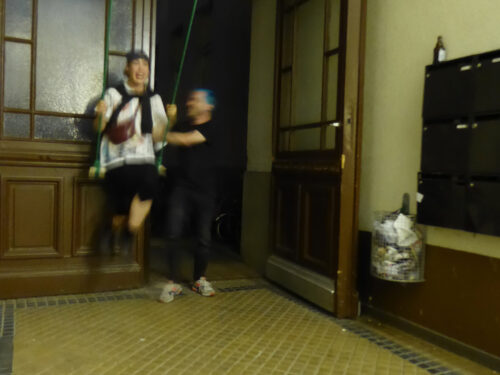
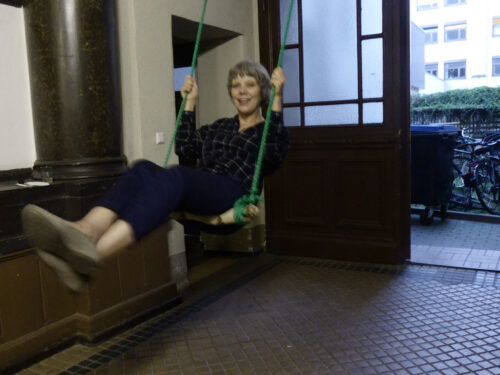
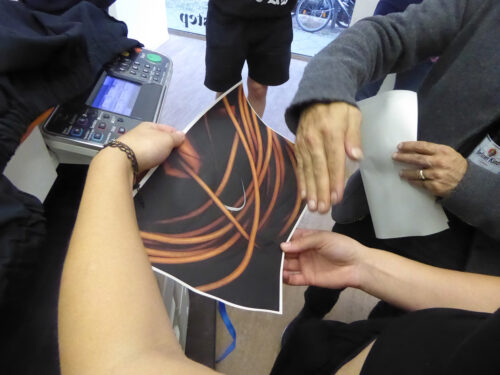
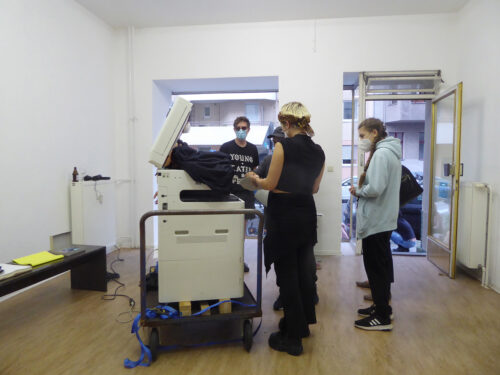
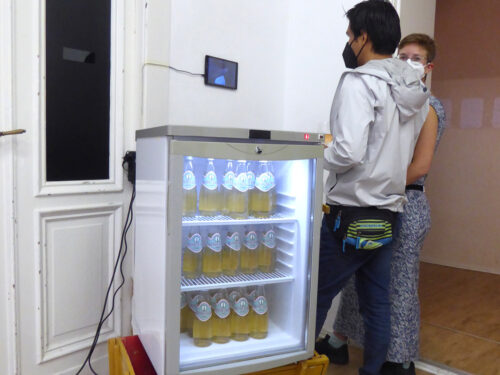
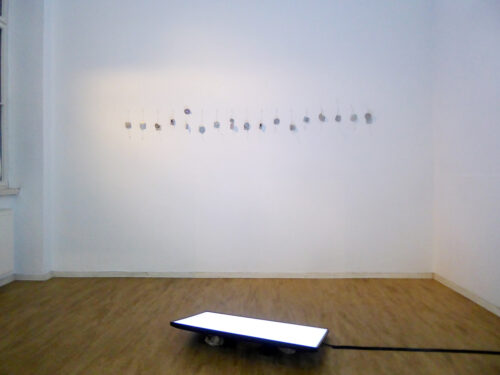
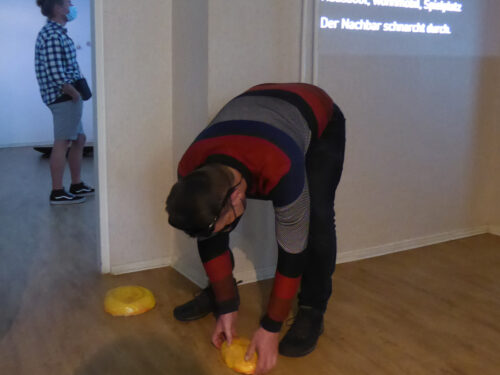
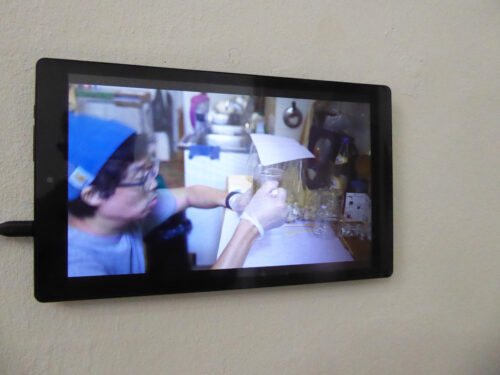
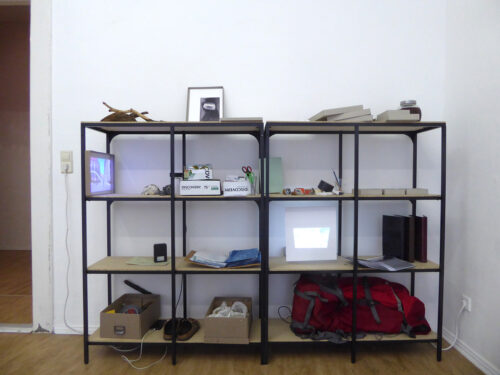
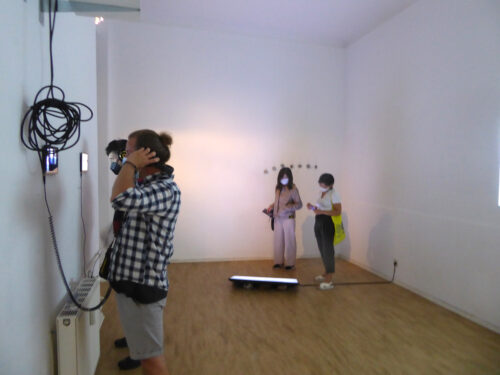
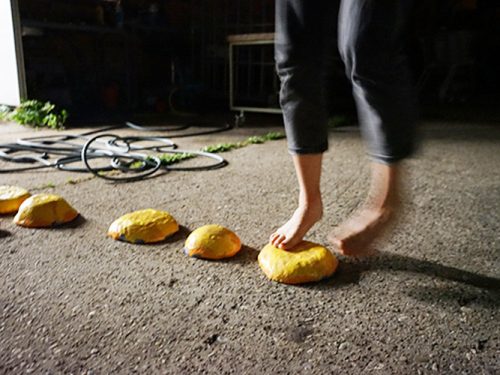
Towards Phantom Step
2021
Gruppenausstellung mit Studierenden
10. – 17. August 2021
Weitere Infos: www.invisibleborders.net
10. – 17. August 2021
Weitere Infos: www.invisibleborders.net
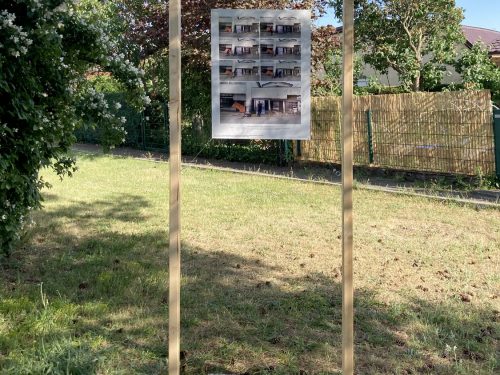
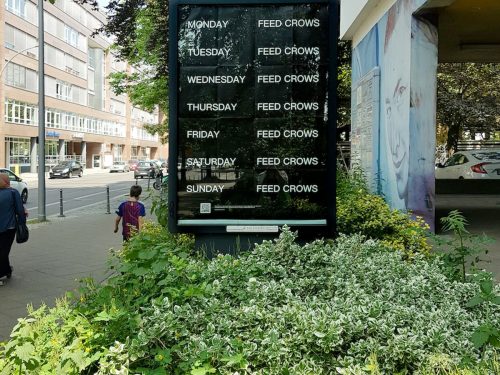
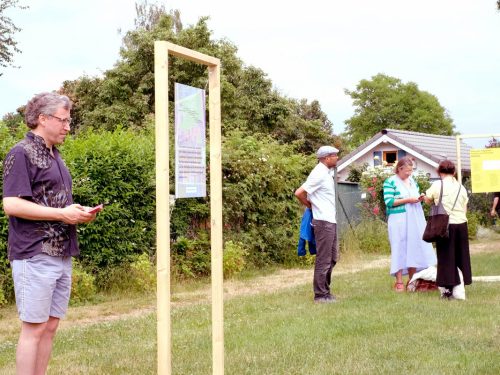
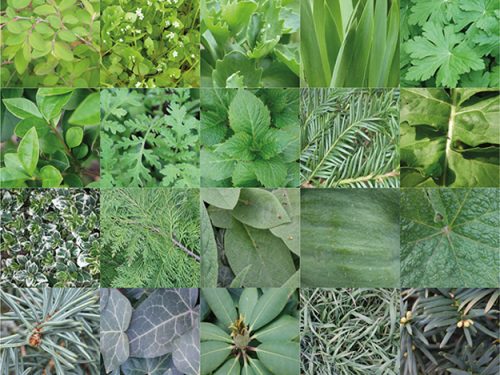
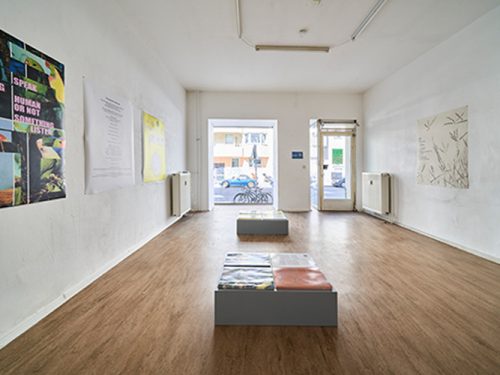
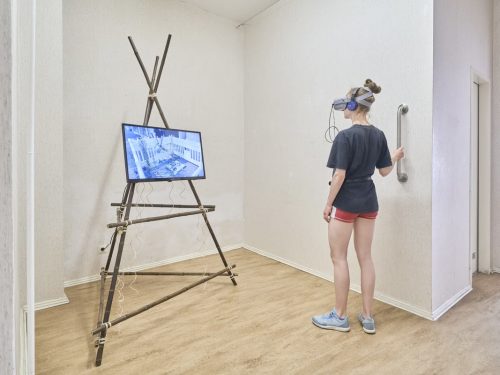
(re)connecting earth
2021
Gruppenusstellung
10. – 31. Juni 2021
Künstler*innen:
Caroline Bachmann, Julian Charrière, Eli Cortiñas, Andreas Greiner & Takafumi Tsukamoto, Valérie Favre, David Horvitz, Bianca Kennedy & The Swan Collective, Fabian Knecht, Antje Majewski, Luzie Meyer, Regina de Miguel, Adrien Missika, Pfelder, Simone Zaugg, Zheng Bo
10. – 31. Juni 2021
Künstler*innen:
Caroline Bachmann, Julian Charrière, Eli Cortiñas, Andreas Greiner & Takafumi Tsukamoto, Valérie Favre, David Horvitz, Bianca Kennedy & The Swan Collective, Fabian Knecht, Antje Majewski, Luzie Meyer, Regina de Miguel, Adrien Missika, Pfelder, Simone Zaugg, Zheng Bo
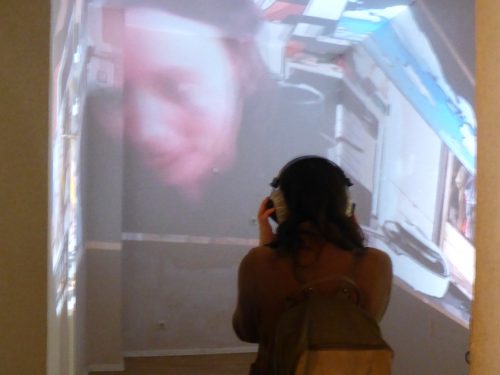
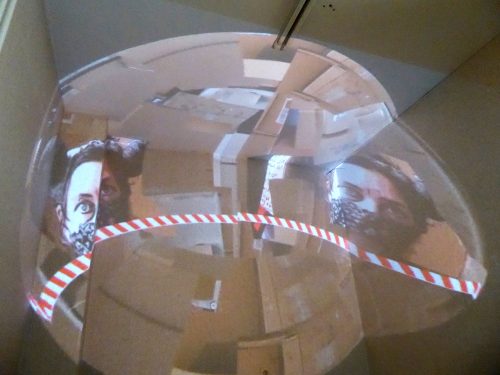
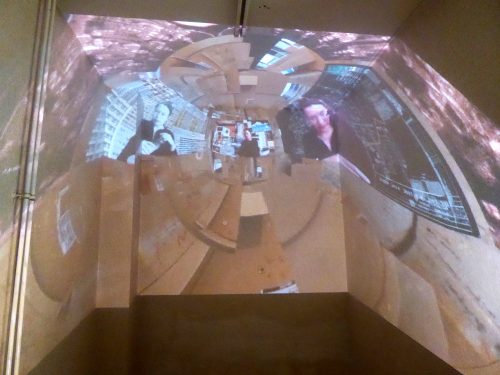
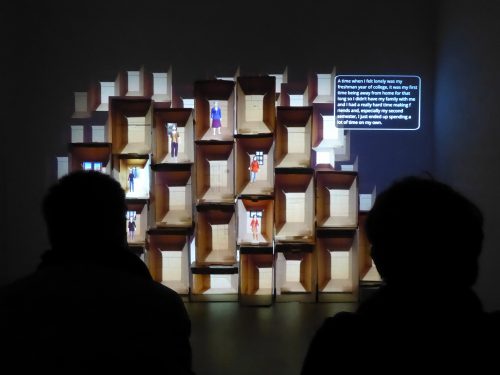
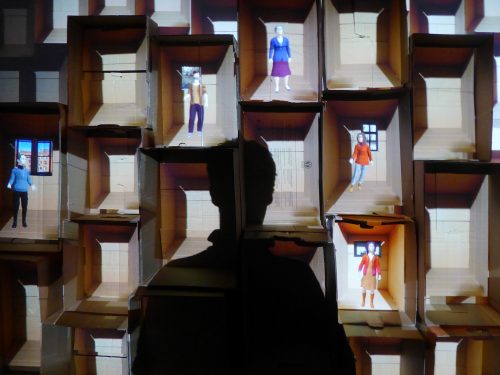
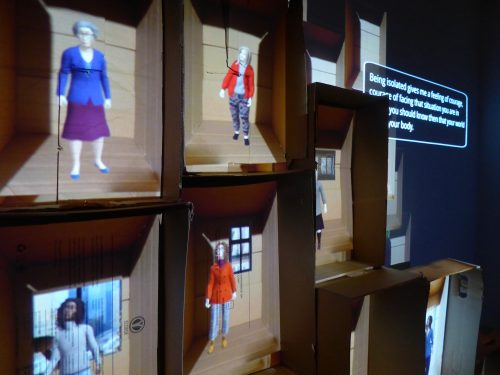
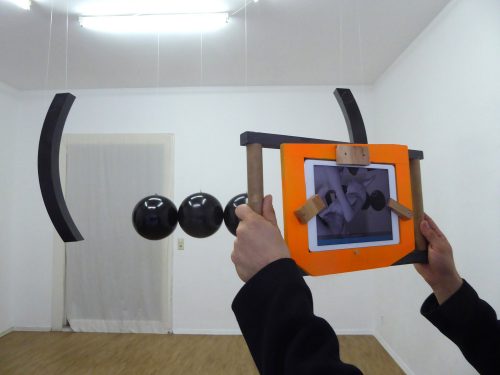
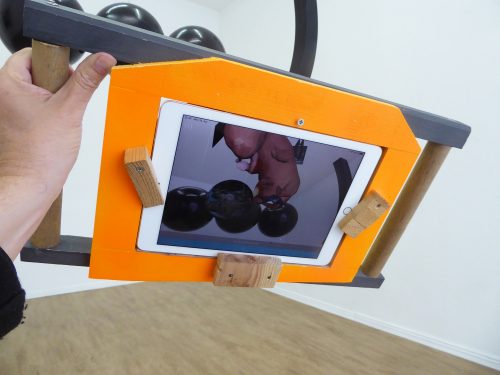
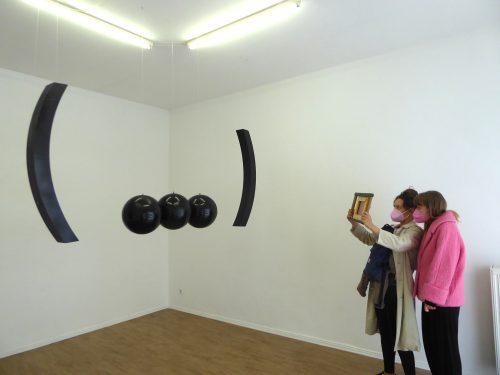
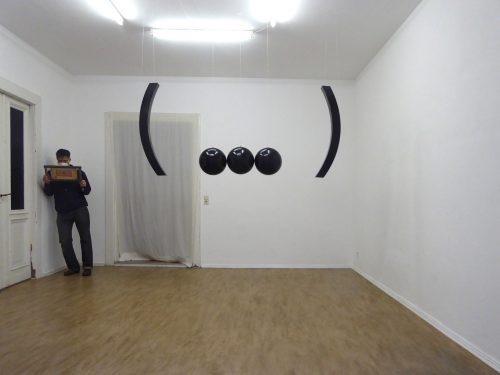
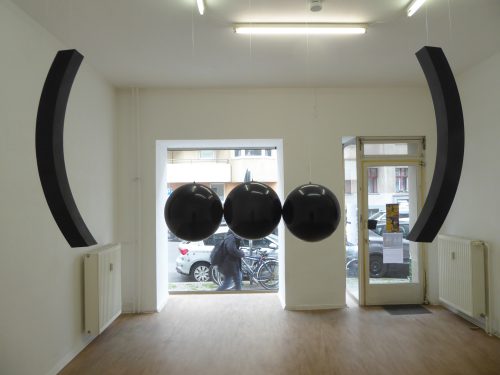
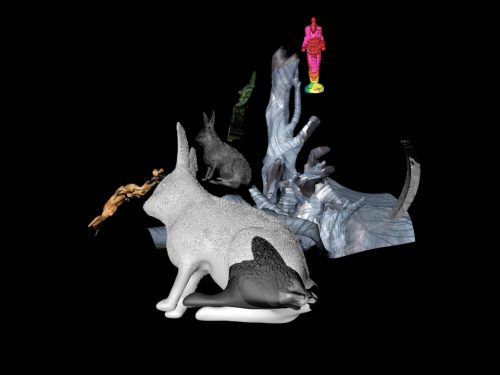
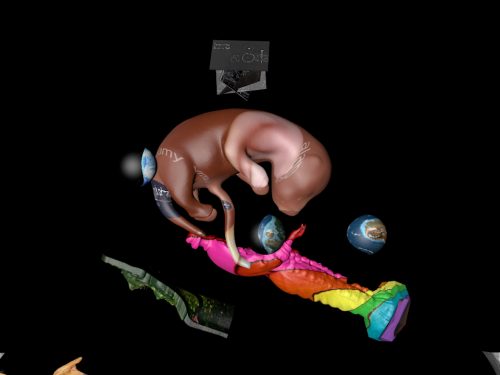
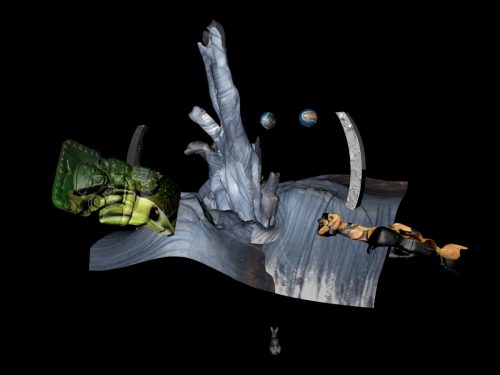
dot.dot.dot
2021
Doppelausstellung
25. März – 17. April 2021
Künstlerinnen:
Mikala Hyldig Dal, Sharon Paz
25. März – 17. April 2021
Künstlerinnen:
Mikala Hyldig Dal, Sharon Paz
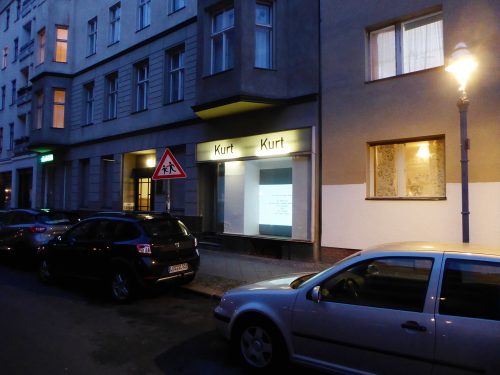
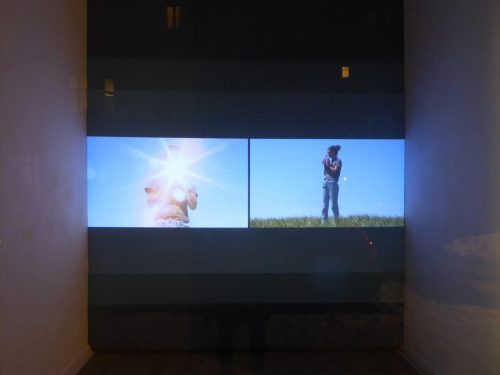
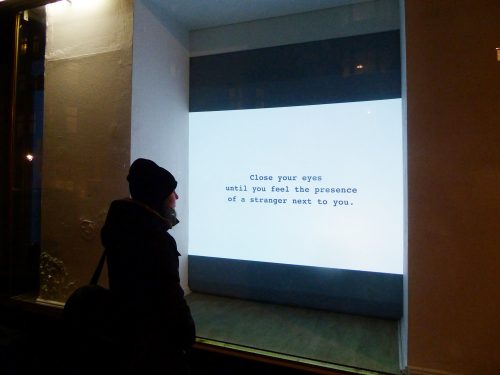
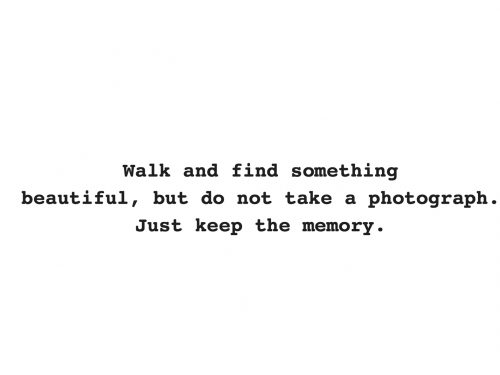
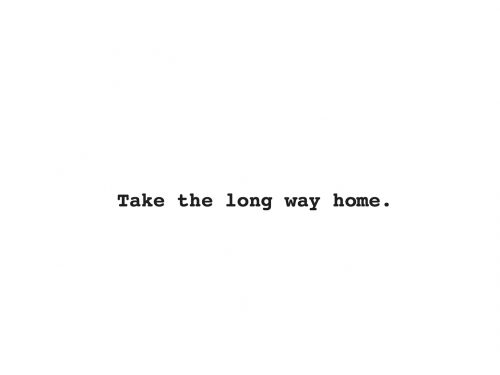
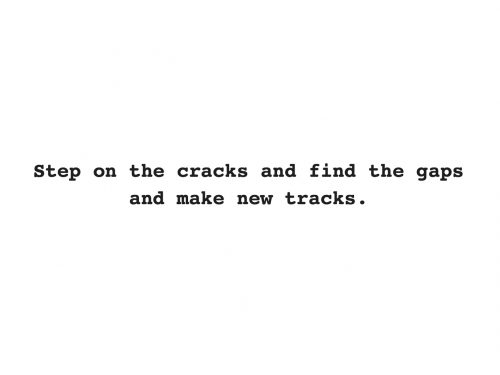
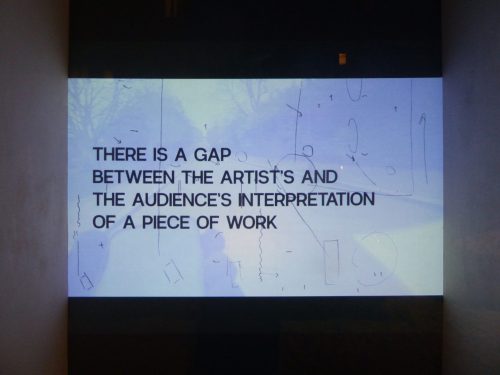
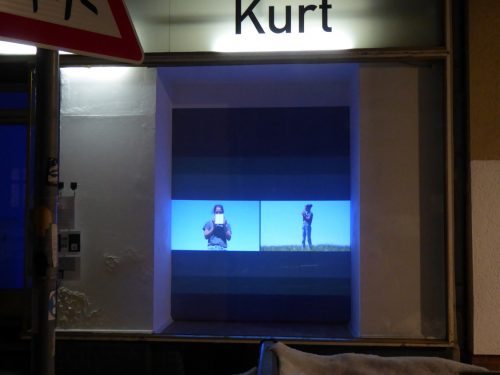
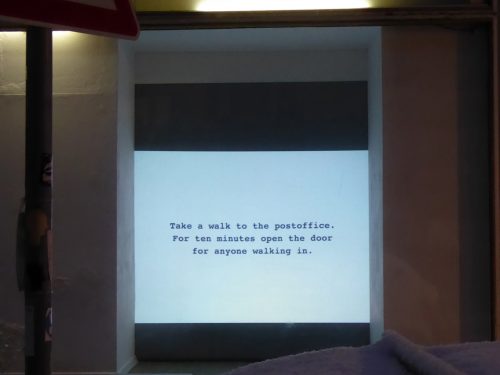
Invisible Borders
2021
online-Ausstellung mit Studierenden im Kurt-Kurt-Fenster
23. Januar – 14. Februar 2021 (24 h täglich)
23. Januar – 14. Februar 2021 (24 h täglich)
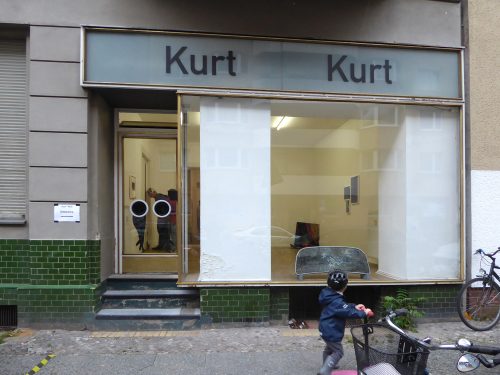
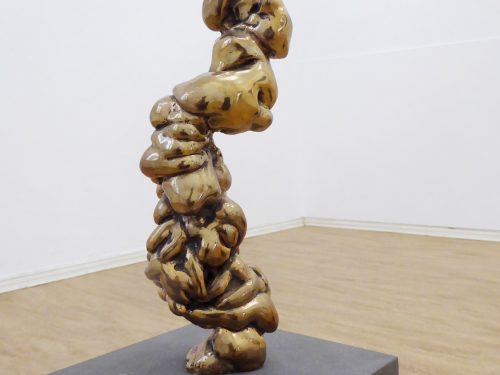

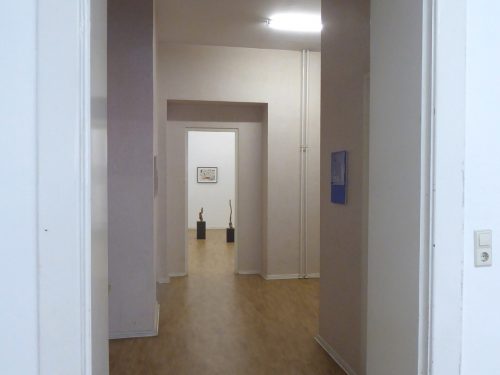
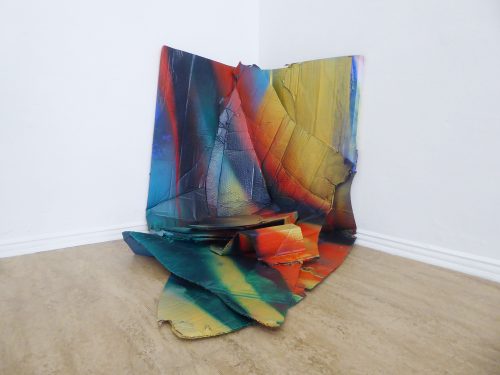
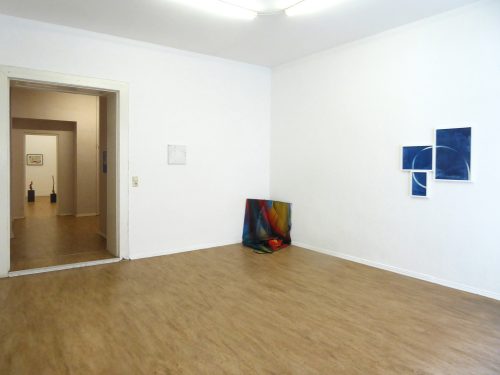
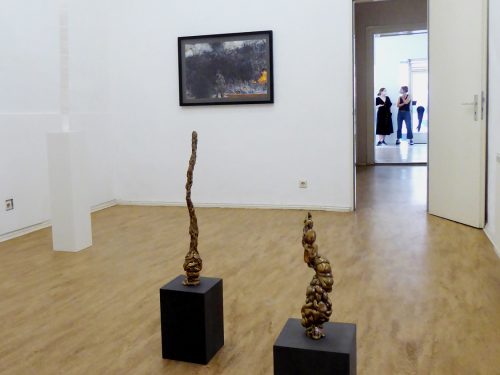
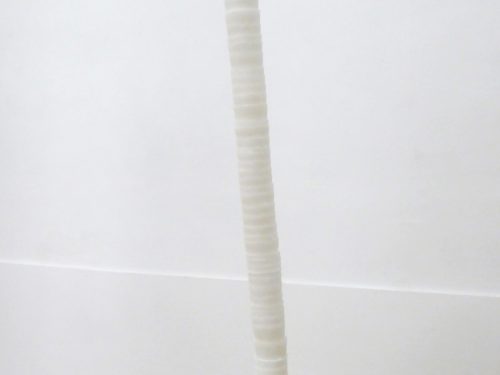
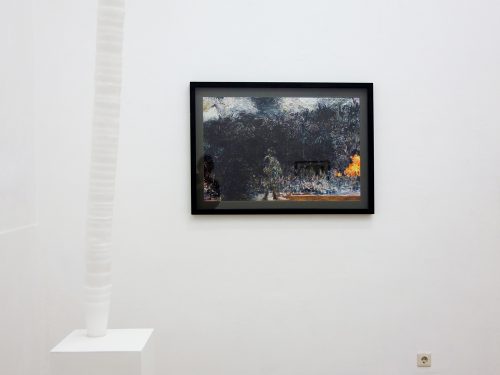
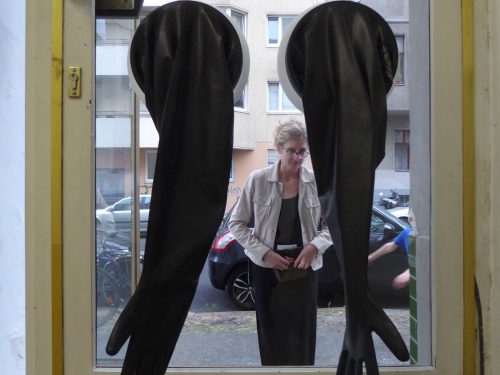
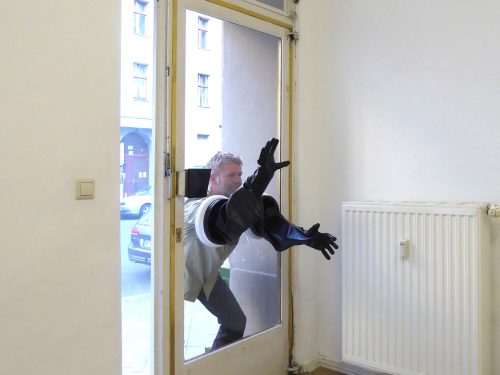
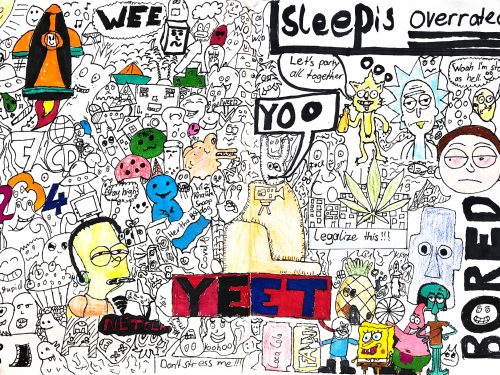
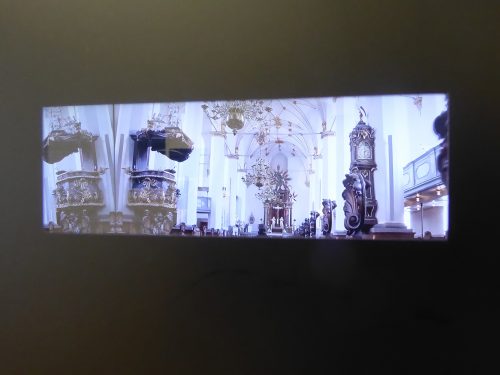
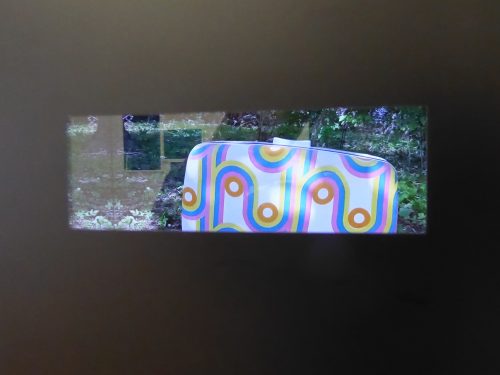
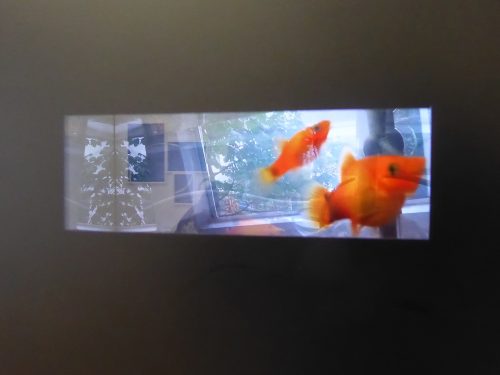
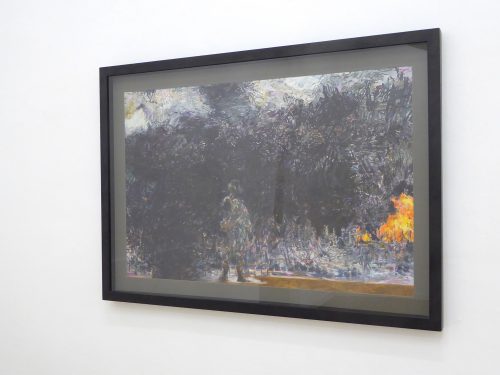
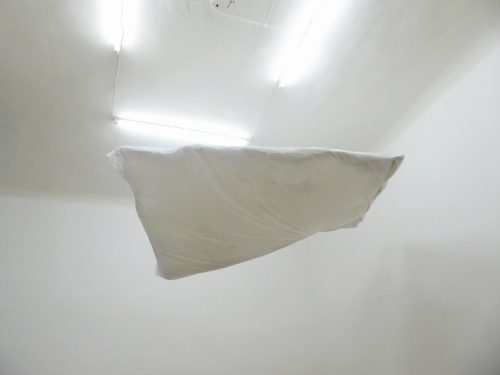
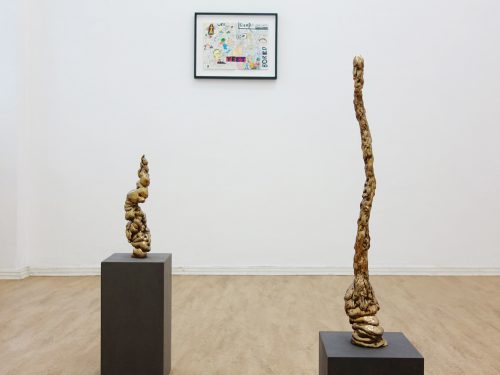
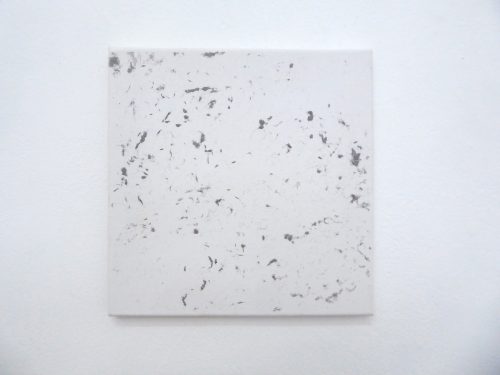
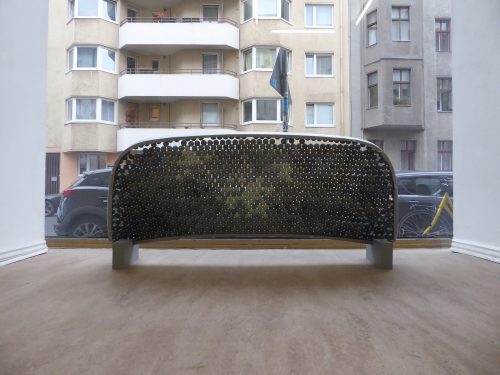
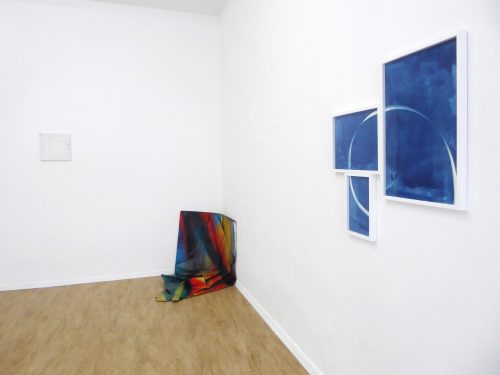
Sleep is overrated
2020
Gruppenausstellung
28. August – 13. September 2020
Künstler*innen:
Heather Allen, Heike Baranowsky, Emmanuelle Castellan, Katharina Grosse, Ilona Kálnoky, Mark Le Ruez, Via Lewandowsky, Sophia Pompéry, Karin Sander, Salah Saouli, Karen Scheper, Veronika Witte, Jan Peter Zaugg, Georg Zey
28. August – 13. September 2020
Künstler*innen:
Heather Allen, Heike Baranowsky, Emmanuelle Castellan, Katharina Grosse, Ilona Kálnoky, Mark Le Ruez, Via Lewandowsky, Sophia Pompéry, Karin Sander, Salah Saouli, Karen Scheper, Veronika Witte, Jan Peter Zaugg, Georg Zey
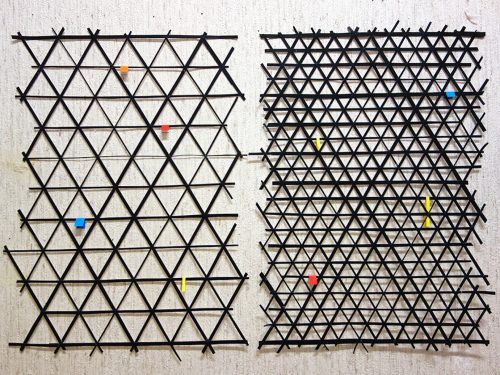
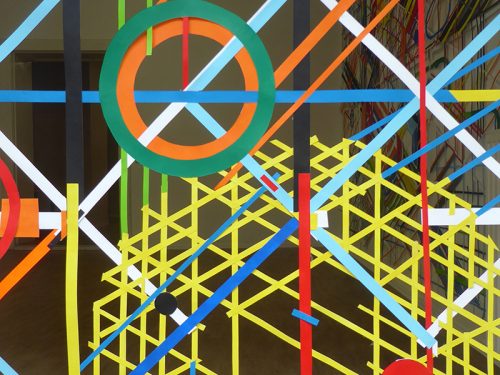
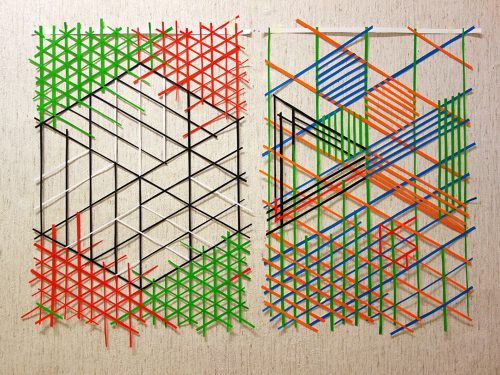
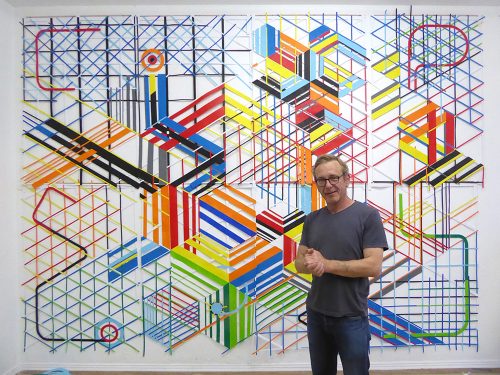
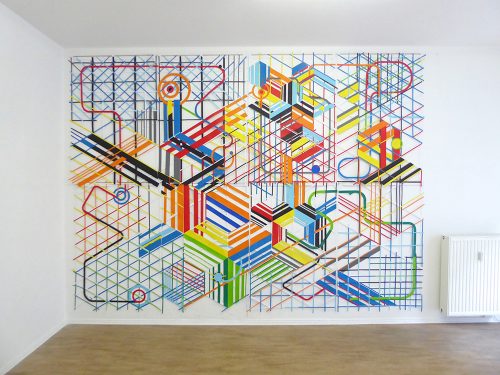
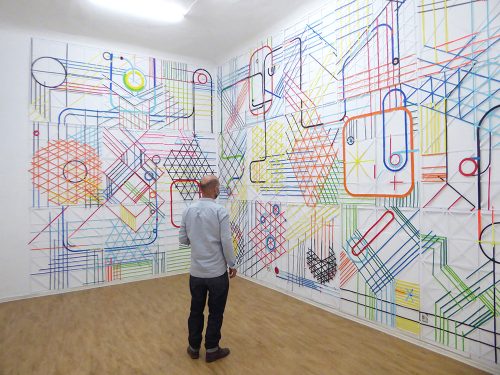
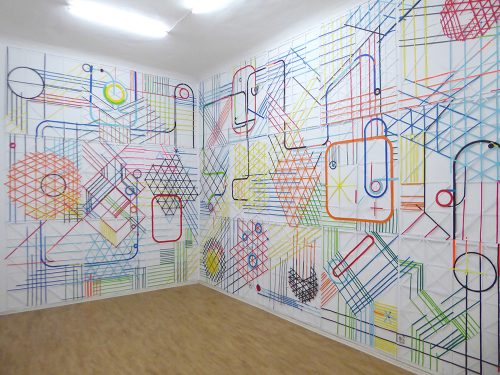

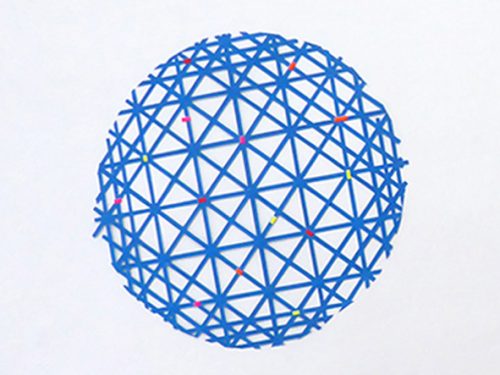
Marco P. Schaefer
2020
Ausstellung
18. Juni – 11. Juli 2020
18. Juni – 11. Juli 2020
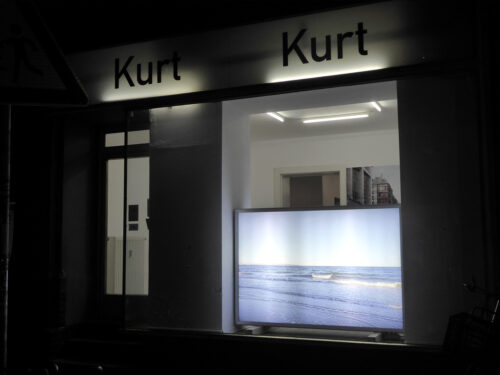
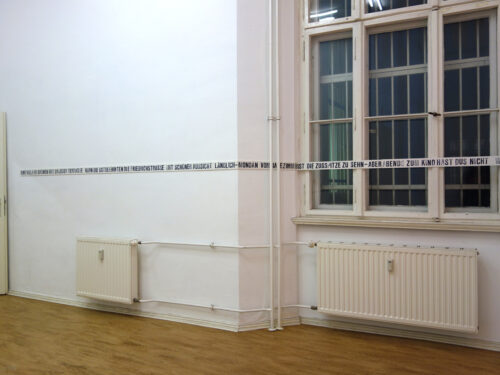
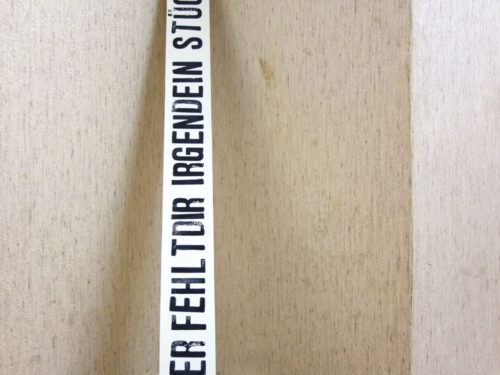
Seraphina Lenz
2019
8. – 29. August 2019
Teil 3 der Ausstellungsreihe:
Heute zwischen gestern und morgen
Teil 3 der Ausstellungsreihe:
Heute zwischen gestern und morgen
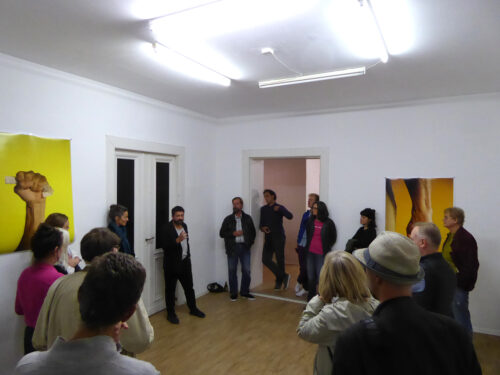
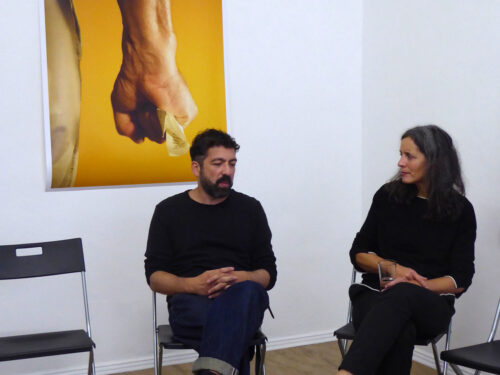
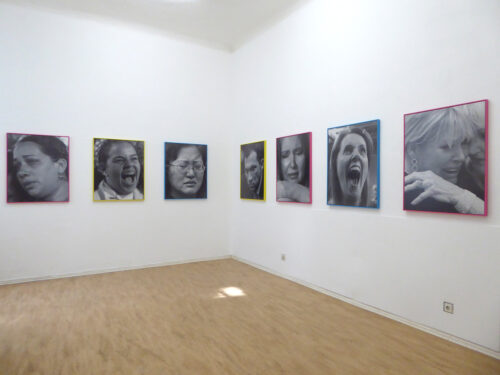
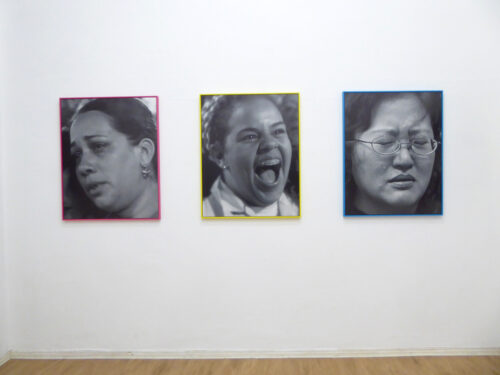
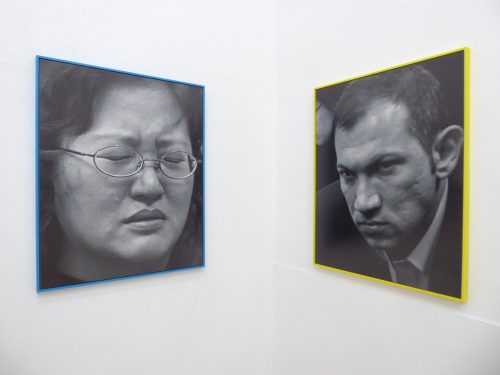
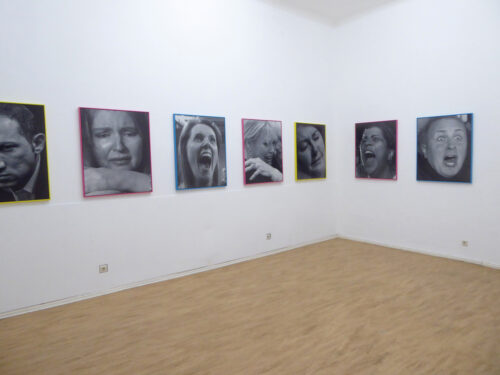
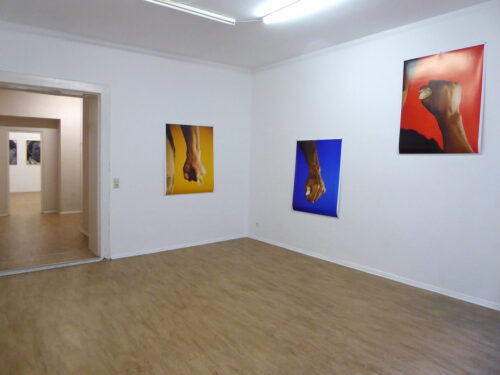
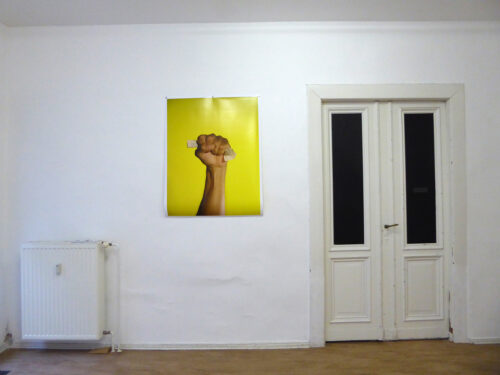
Nasan Tur
2019
7. – 29. September 2019
Teil 2 der Ausstellungsreihe:
Heute zwischen gestern und morgen
Teil 2 der Ausstellungsreihe:
Heute zwischen gestern und morgen
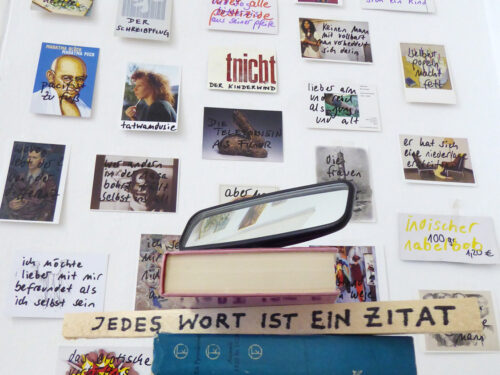
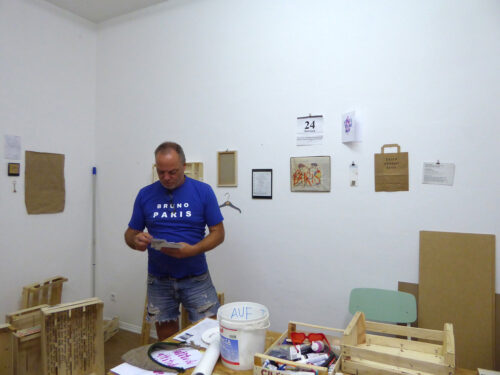
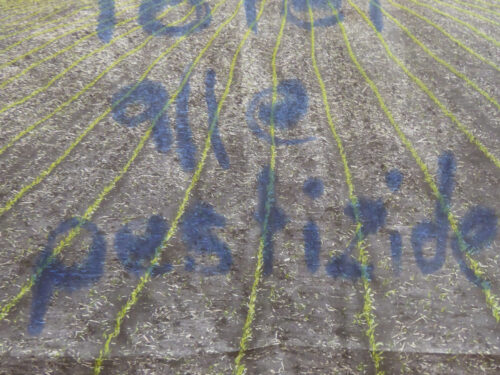
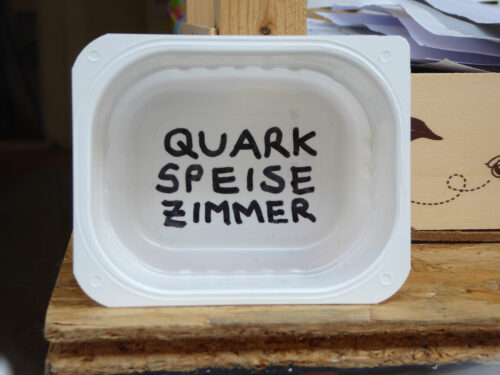
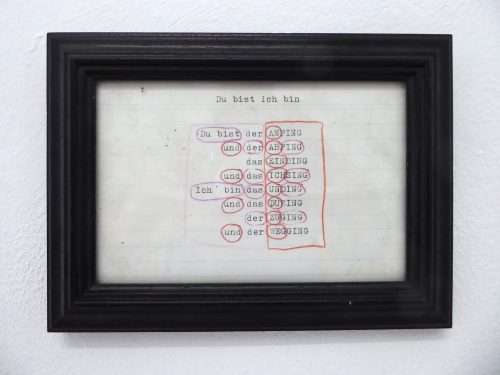
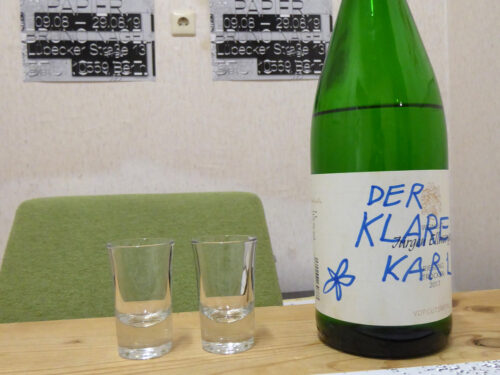
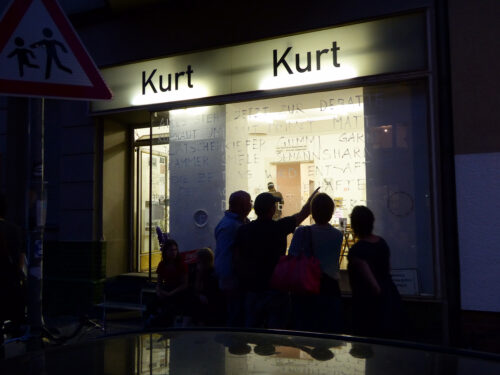
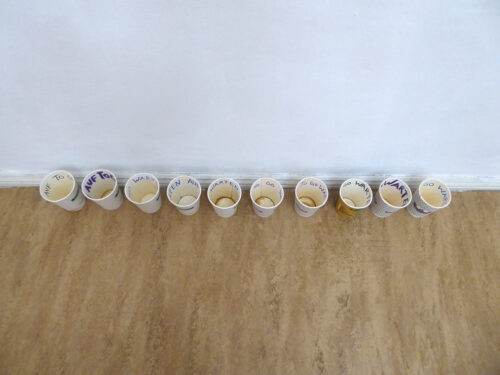
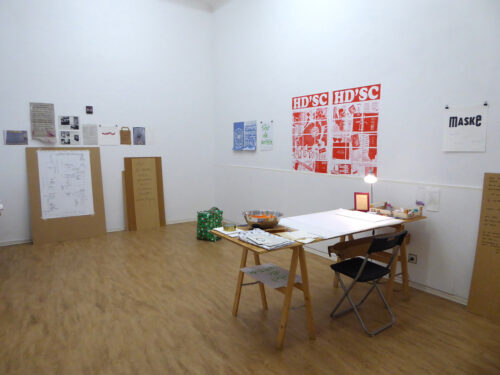
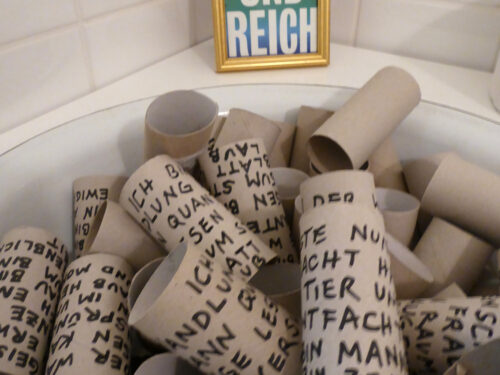
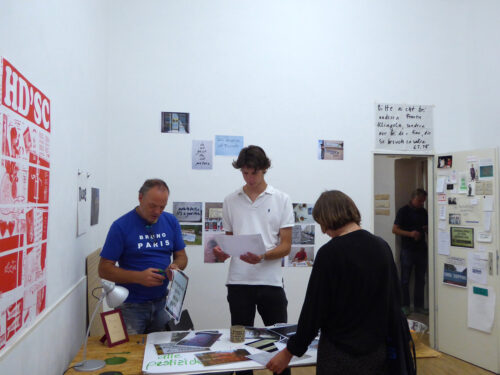
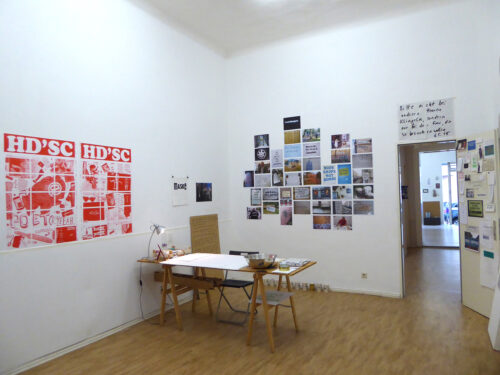
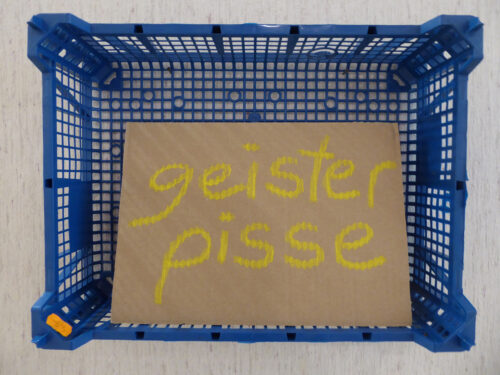
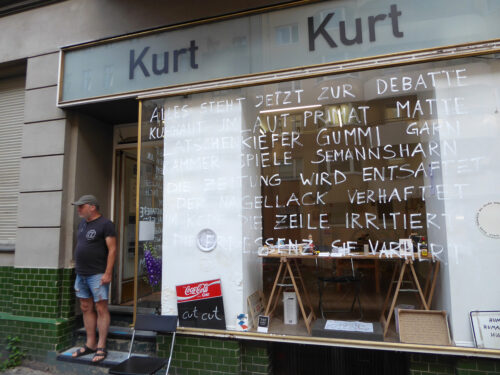
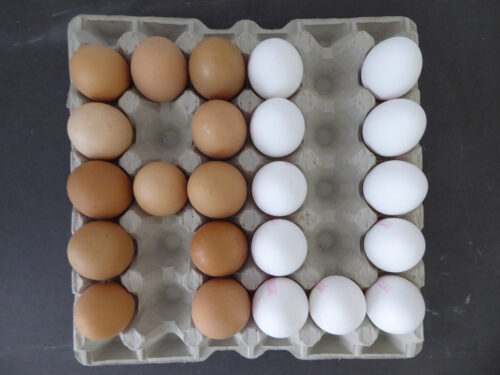
Bruno Nagel
2019
8. – 29. August 2019
Teil 1 der Ausstellungsreihe:
Heute zwischen gestern und morgen
Teil 1 der Ausstellungsreihe:
Heute zwischen gestern und morgen
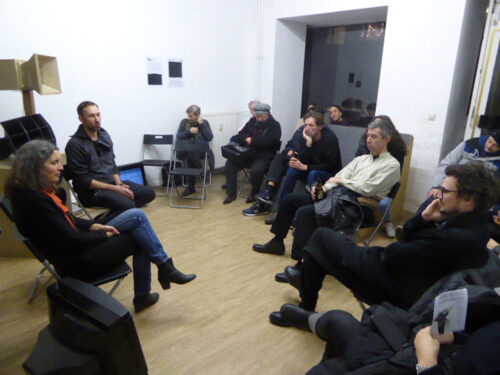
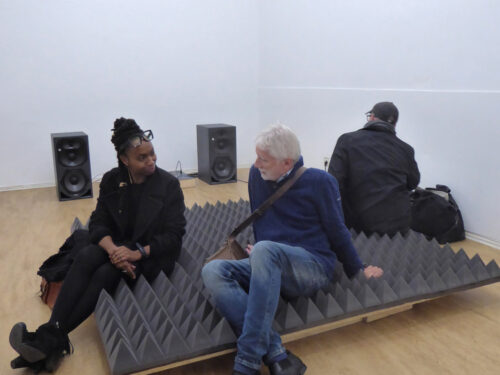
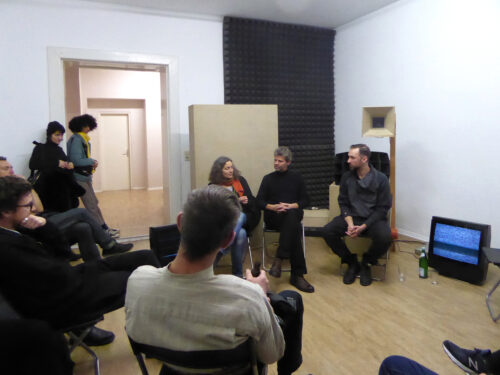
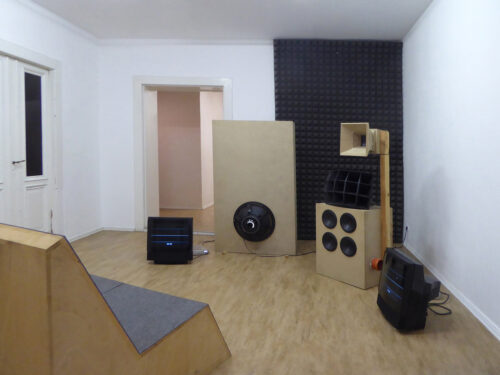
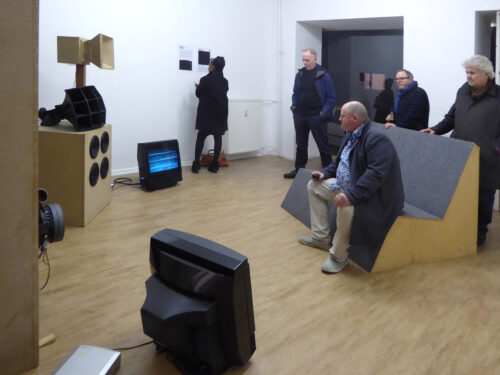
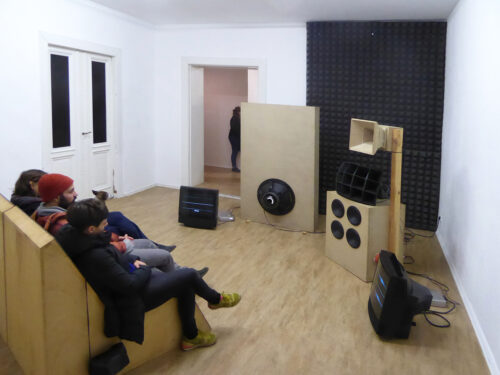
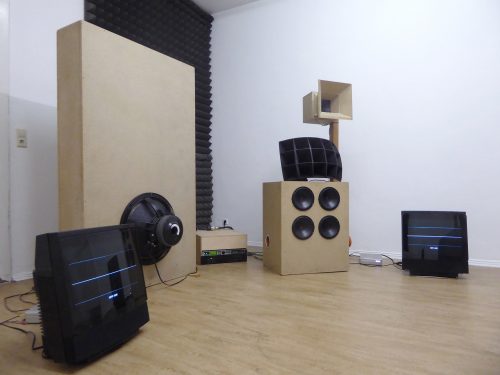
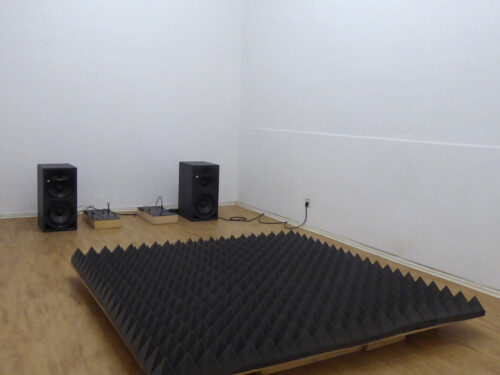
Nick Novak, G.O.A.T.
2018
17. November – 8. Dezember 2018
Teil 3 der Ausstellungsreihe:
Reisen im Raum | Bild, Objekt, Ton
Teil 3 der Ausstellungsreihe:
Reisen im Raum | Bild, Objekt, Ton


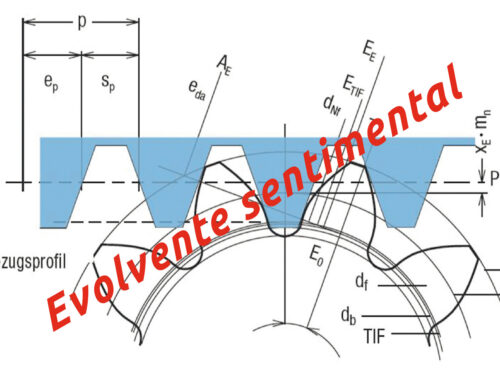
Pätzug / Hertweck
2018
8. – 29. September 2018
Teil 2 der Ausstellungsreihe:
Reisen im Raum | Bild, Objekt, Ton
Teil 2 der Ausstellungsreihe:
Reisen im Raum | Bild, Objekt, Ton
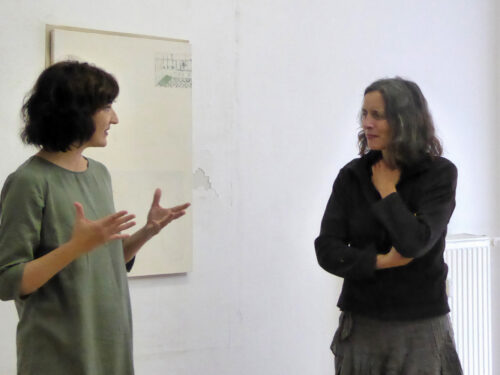
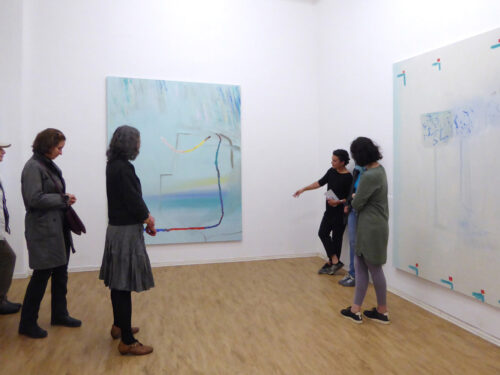
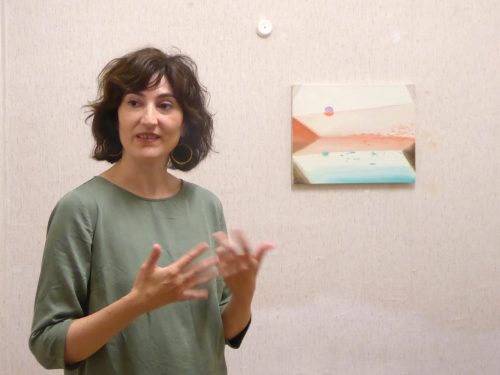
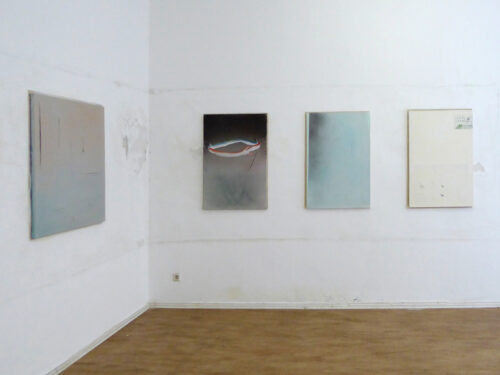
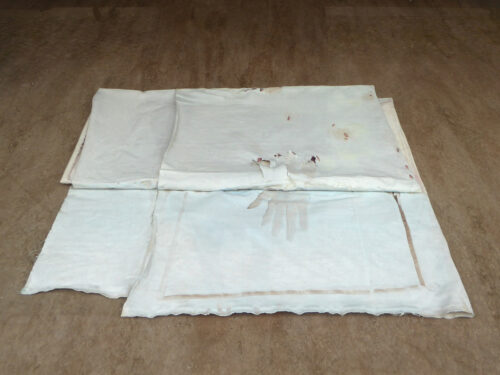
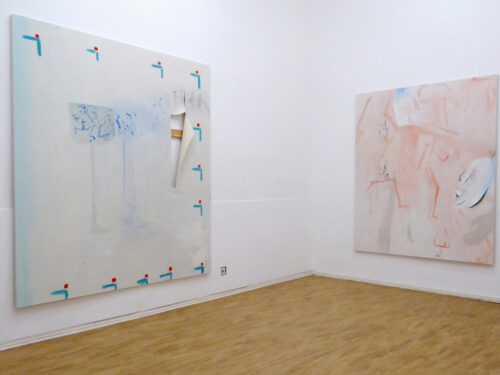
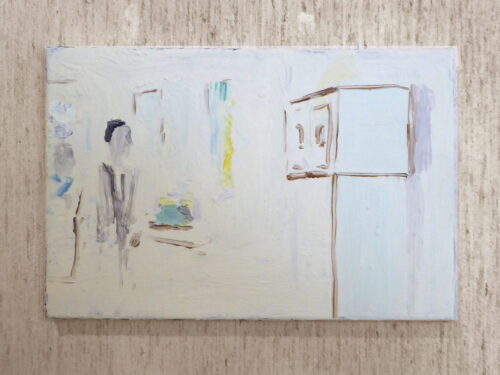
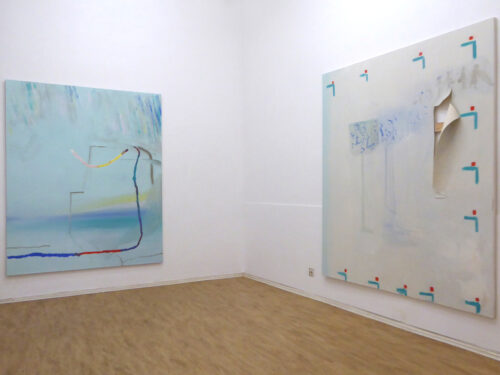
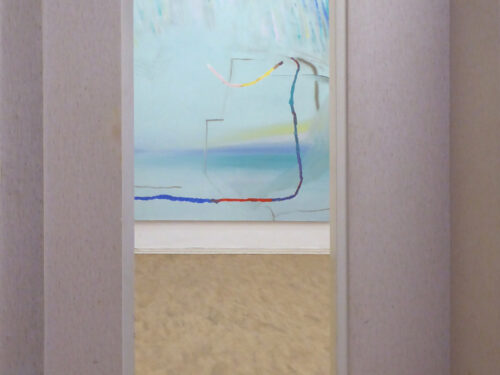
Emmanuelle Castellan
2018
3. – 23. Juni 2018
Teil 1 der Ausstellungsreihe:
Reisen im Raum | Bild, Objekt, Ton
Teil 1 der Ausstellungsreihe:
Reisen im Raum | Bild, Objekt, Ton
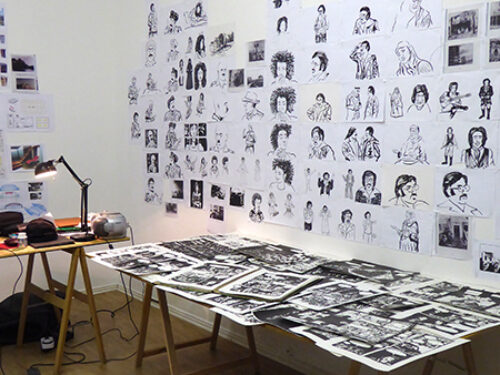
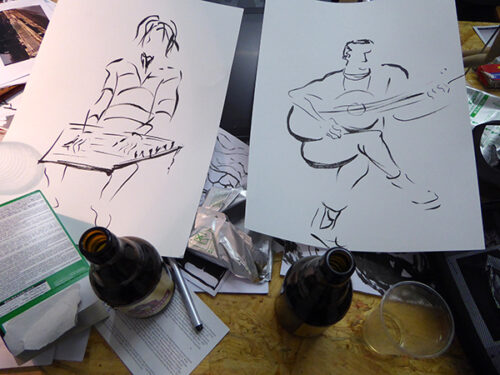
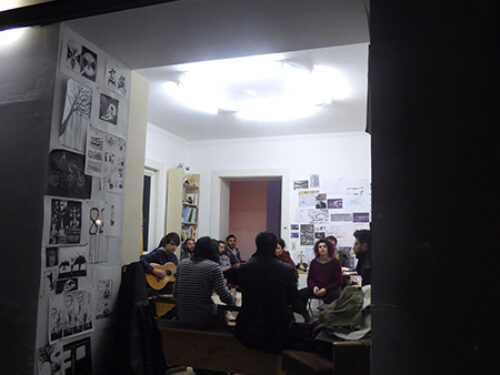
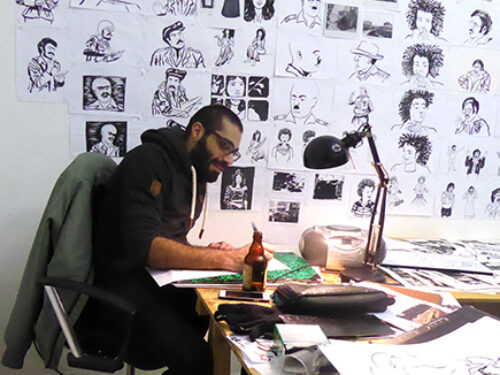
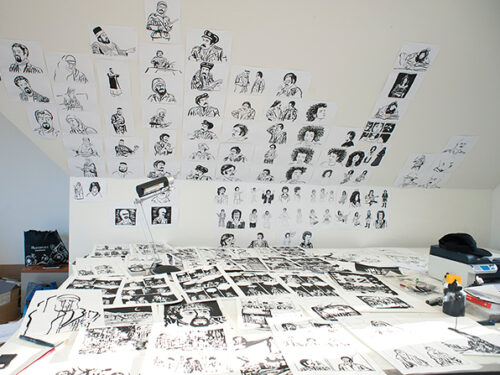
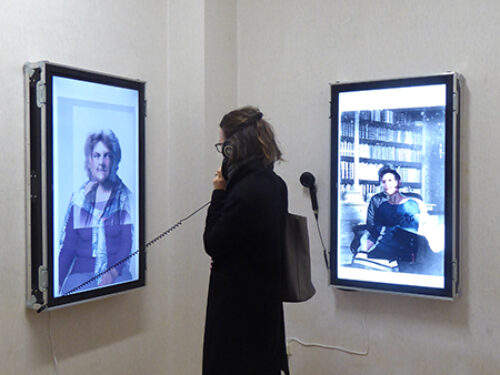
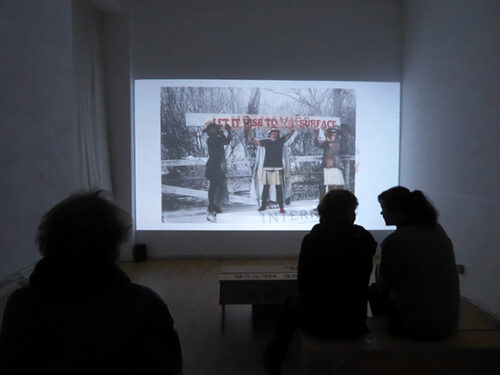
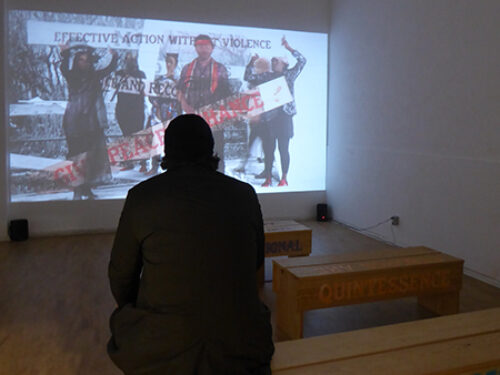
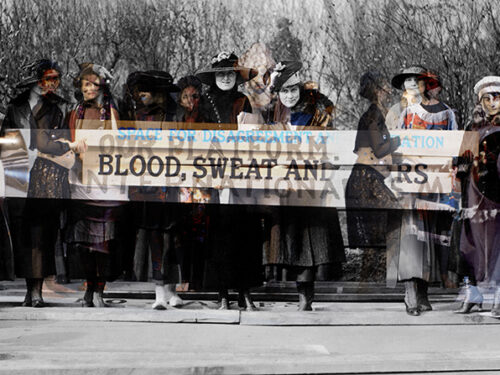
sans papiers – Das Leben ist eine Reise, Teil 3.3
2017
14. November – 2. Dezember 2017
Künstlerinnen:
Mathilde ter Heijne, Hamid Sulaiman
Künstlerinnen:
Mathilde ter Heijne, Hamid Sulaiman
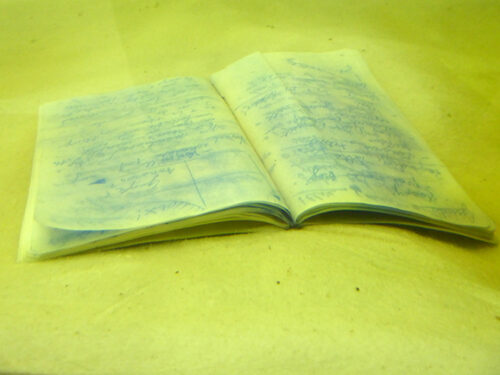
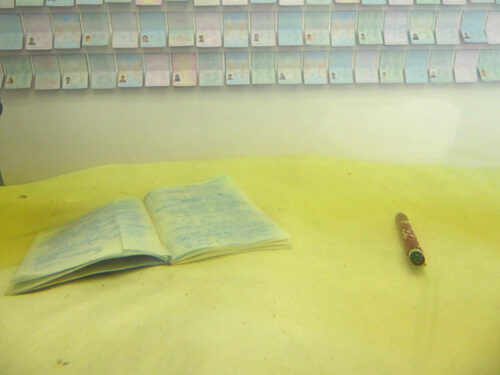
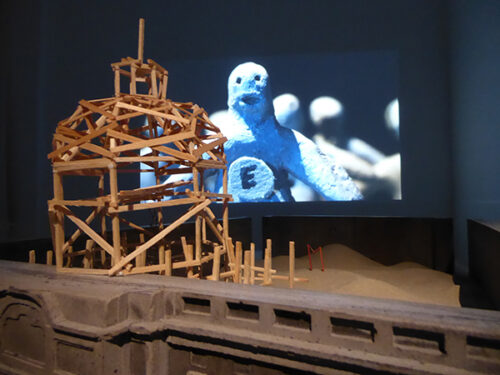
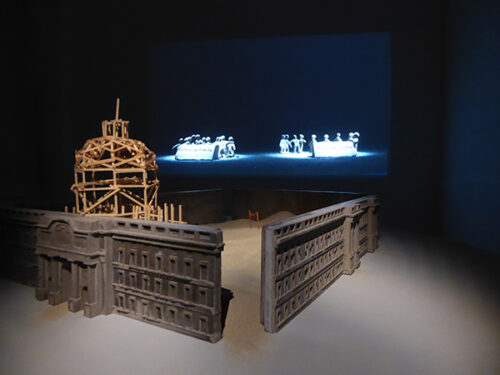
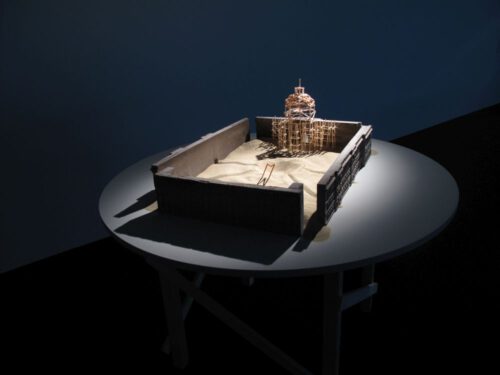
sans papiers – Das Leben ist eine Reise, Teil 3.2
2017
12. – 30. September 2017
Künstlerinnen:
Nina Fischer & Maroan el Sani, Sara Nabil
Künstlerinnen:
Nina Fischer & Maroan el Sani, Sara Nabil

sans papiers – Das Leben ist eine Reise, Teil 3.1
2017
30. Juni – 15. Juli 2017
Künstlerinnen:
Anri Sala, Amer Akel
Künstlerinnen:
Anri Sala, Amer Akel
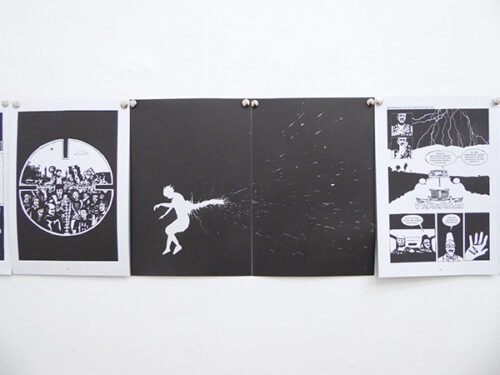
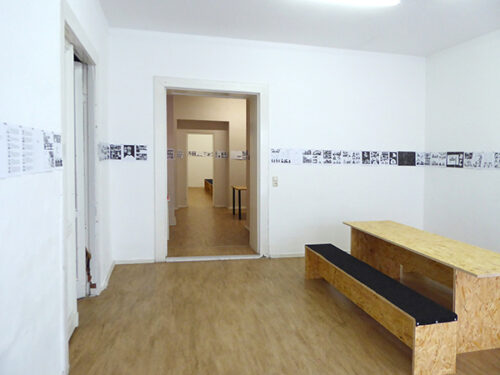
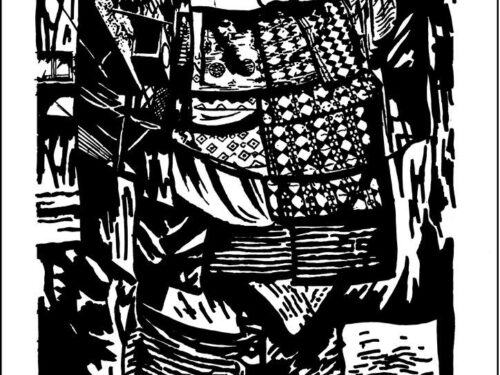
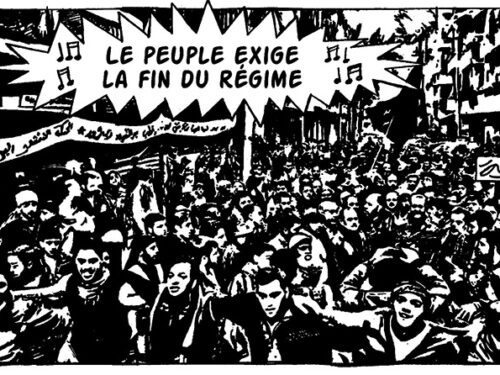
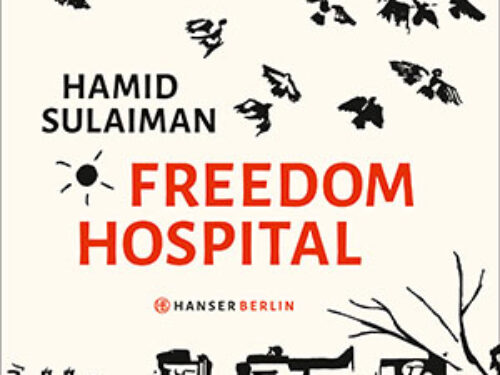
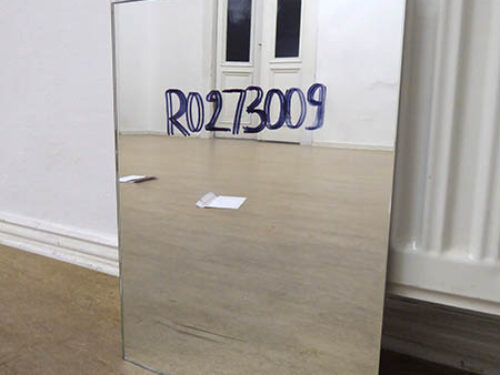
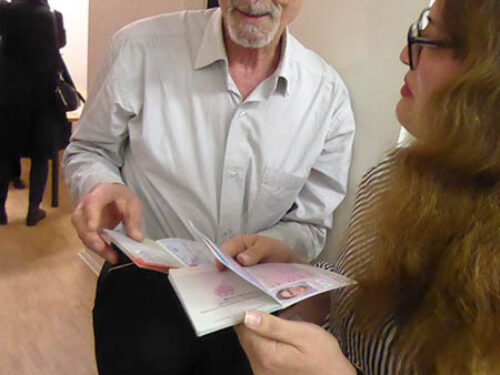
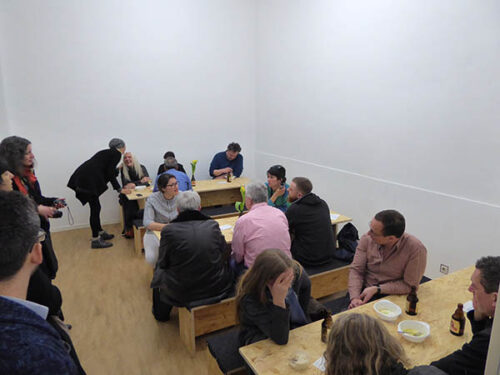
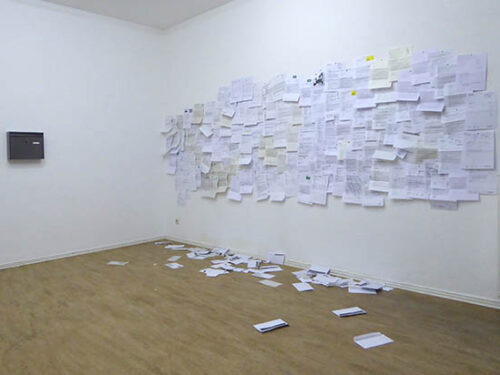
sans papiers – Das Leben ist eine Reise, Teil 2.3
2017
Dinner-Lecture
20. April 2017
Künstler: Hamid Sulaiman
20. April 2017
Künstler: Hamid Sulaiman
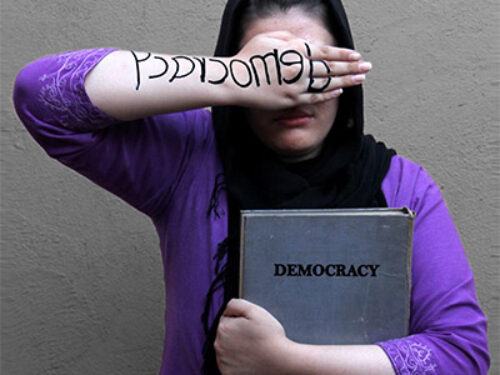
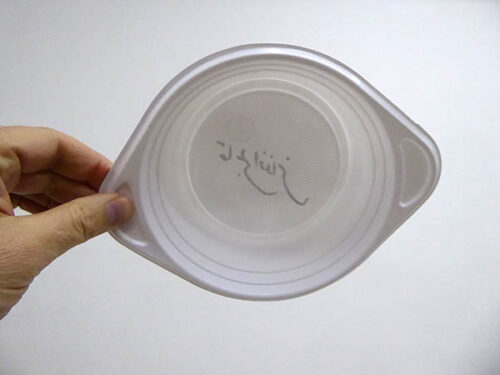
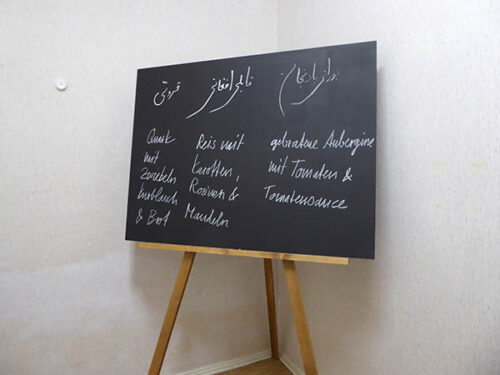
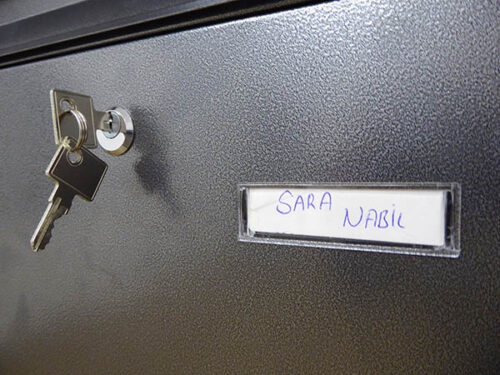
sans papiers – Das Leben ist eine Reise, Teil 2.2
2017
Dinner-Lecture
16. März 2017
Künstlerinnen:
Sara Nabil, Nikos Nicolaou
16. März 2017
Künstlerinnen:
Sara Nabil, Nikos Nicolaou
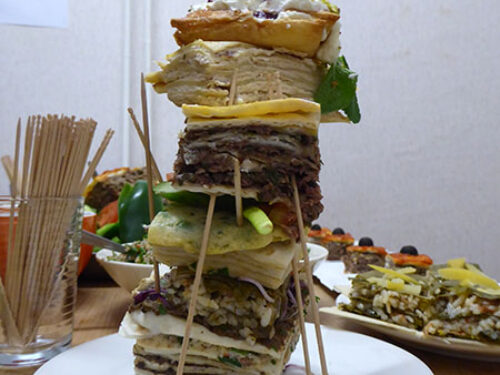
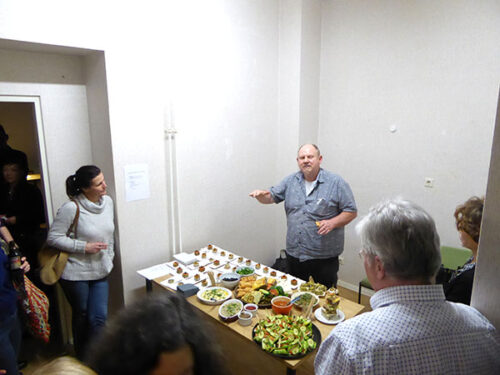
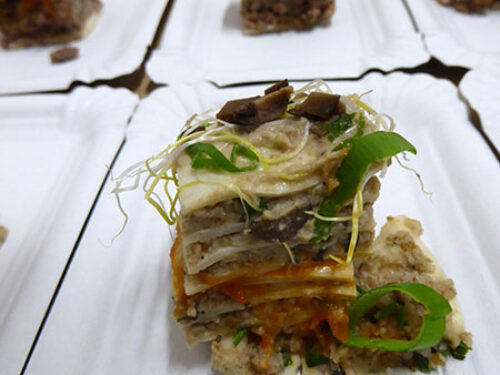
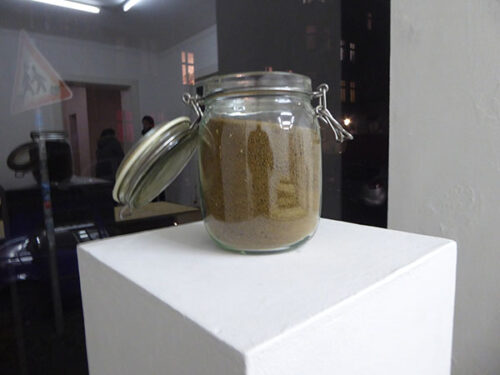
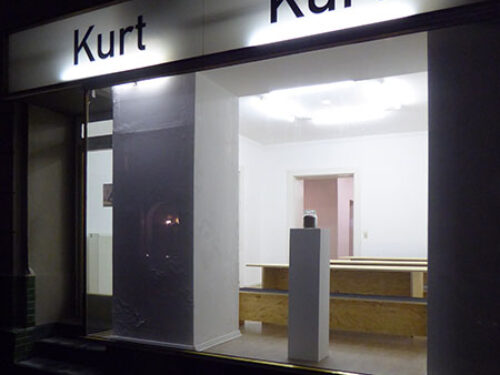
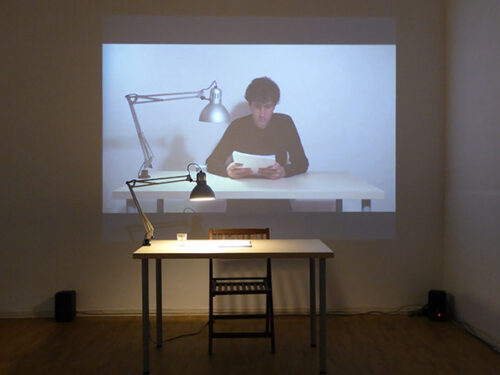
sans papiers – Das Leben ist eine Reise, Teil 2.1
2017
Dinner-Lecture
23. Februar 2017
Künstlerinnen:
Amer Akel, Bernhard Thome
23. Februar 2017
Künstlerinnen:
Amer Akel, Bernhard Thome
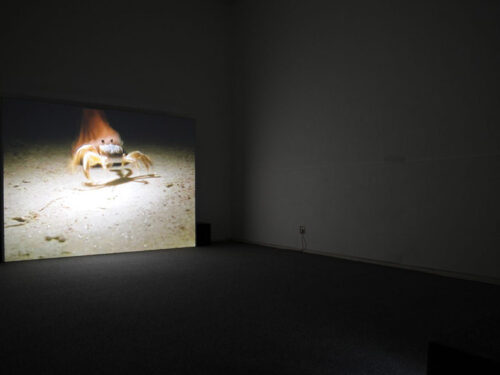
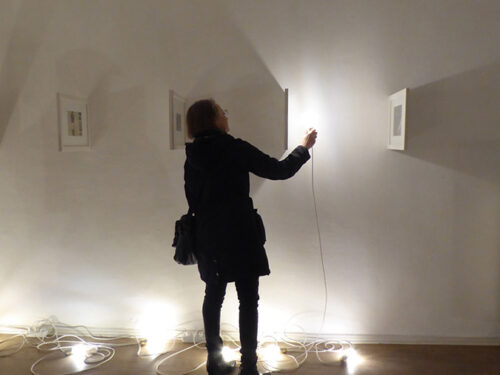
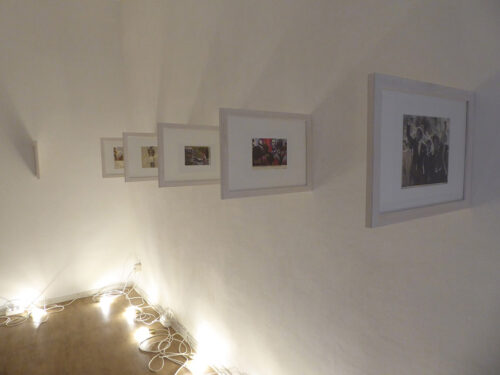
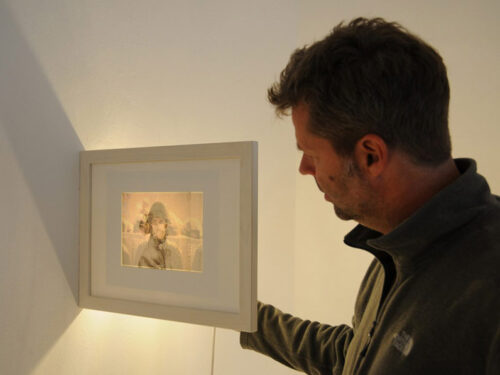
sans papiers – Das Leben ist eine Reise, Teil 1.3
2016
13. Oktober – 5. November 2016
Künstler_innen: Khaled Barakeh, Lerato Shadi, Anri Sala
Künstler_innen: Khaled Barakeh, Lerato Shadi, Anri Sala
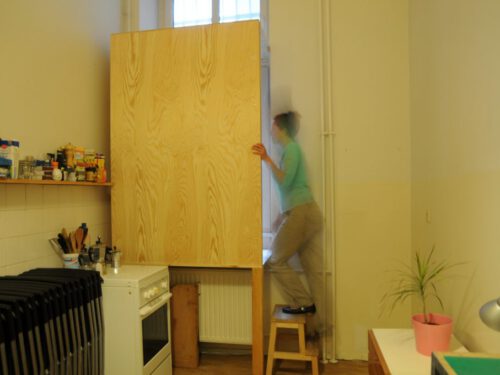
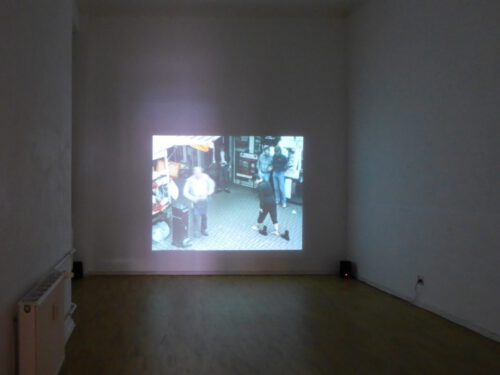
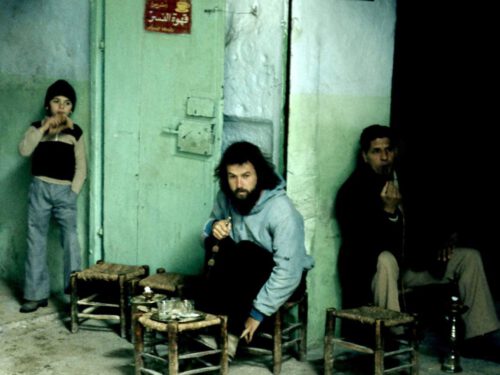
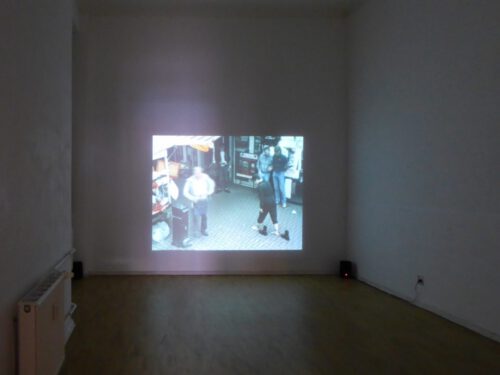
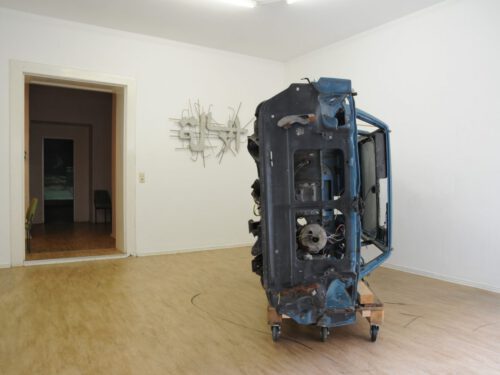
sans papiers – Das Leben ist eine Reise, Teil 1.2
2016
9. - 30. Juli 2016
Künstler_innen:
Manaf Halbouni, Mona Hatoum, Hans Hs Winkler
Künstler_innen:
Manaf Halbouni, Mona Hatoum, Hans Hs Winkler
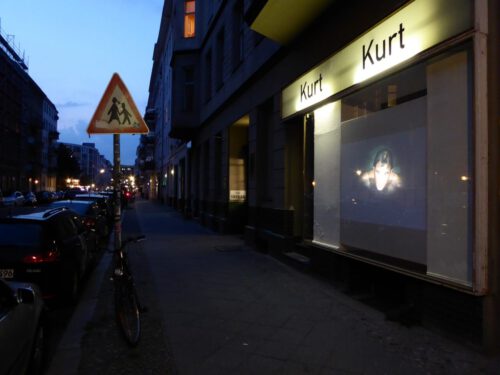
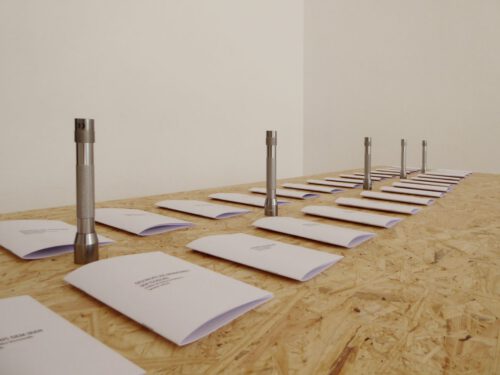
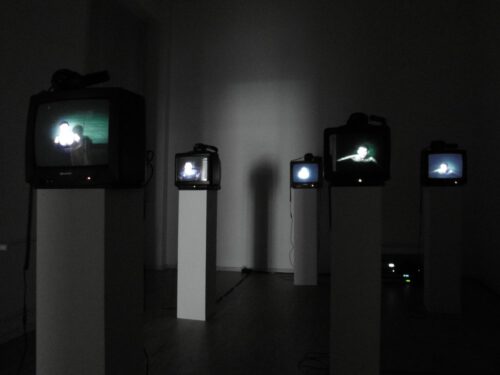
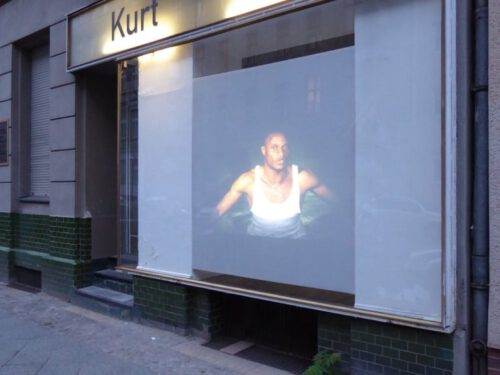
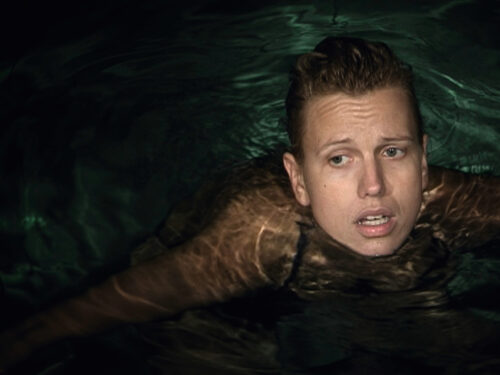
sans papiers – Das Leben ist eine Reise, Teil 1.1
2016
26. Mai - 11. Juni 2016
Künstlerin:
Borjana Ventzislavova
Künstlerin:
Borjana Ventzislavova
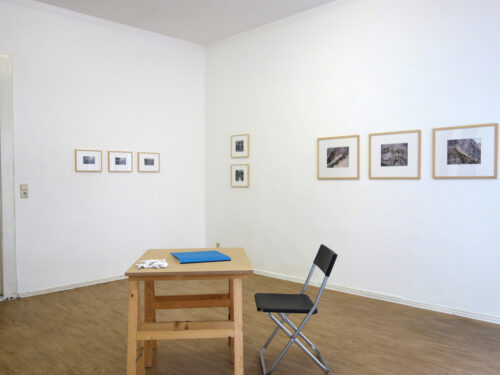
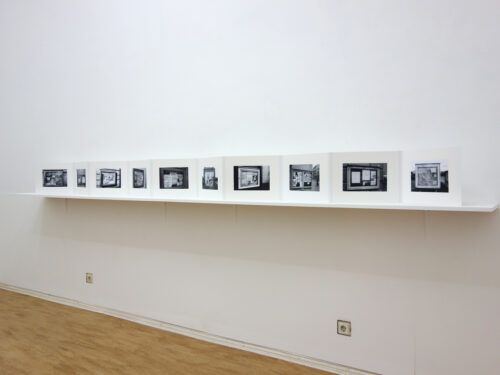

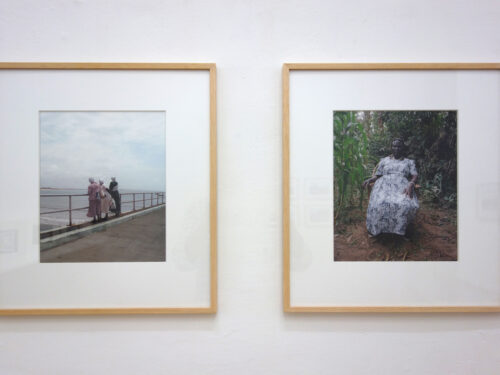
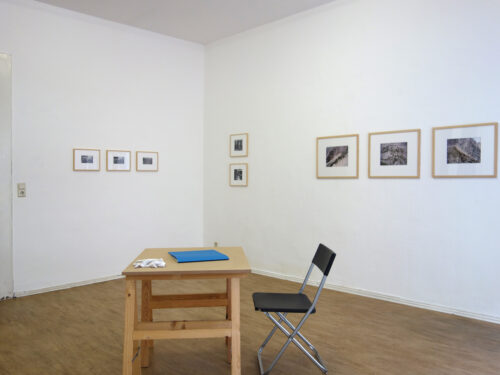
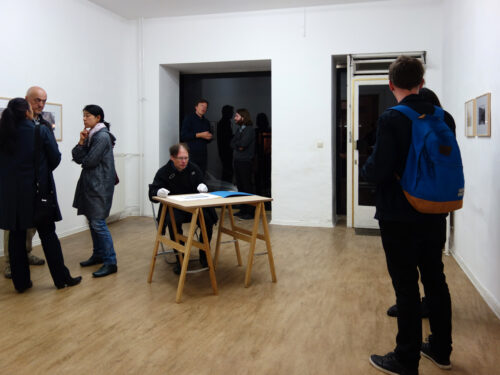
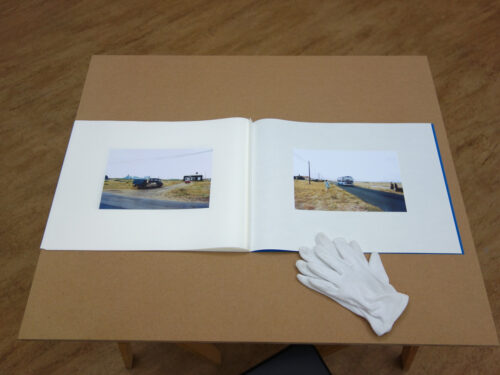
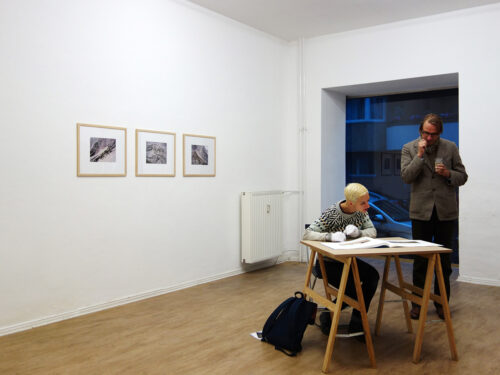
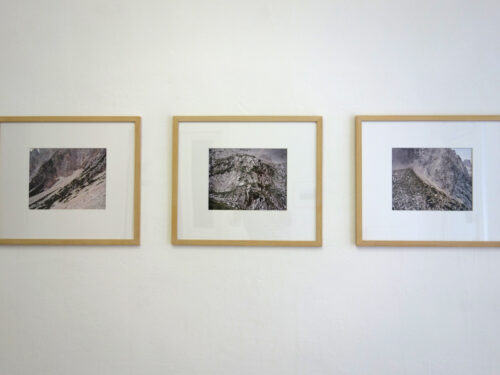
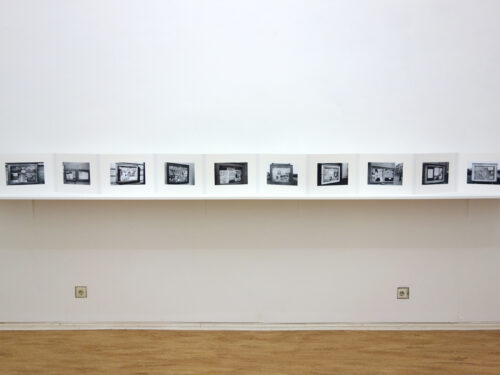
Stefan Schneider
2015
5. – 21. November 2015
Teil 3 der Ausstellungsreihe:
with or without |
Die Frage nach dem Kontext
Teil 3 der Ausstellungsreihe:
with or without |
Die Frage nach dem Kontext
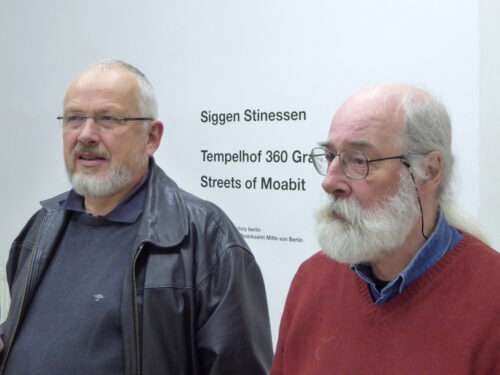
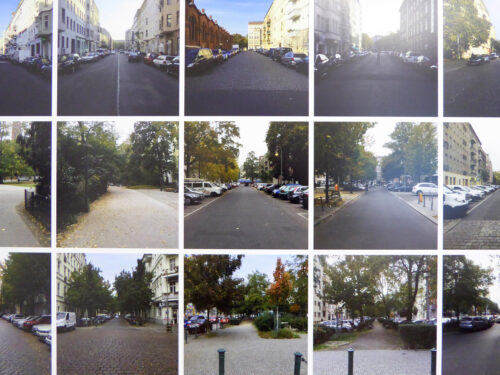
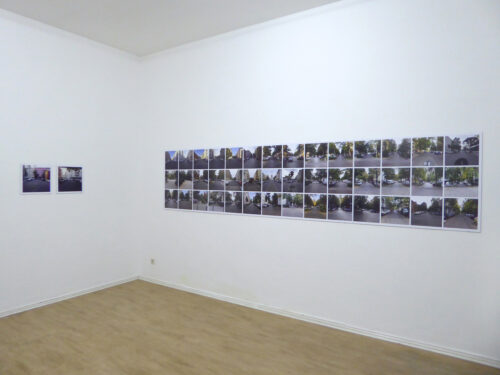
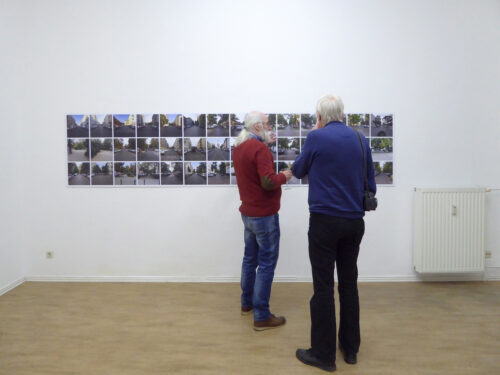
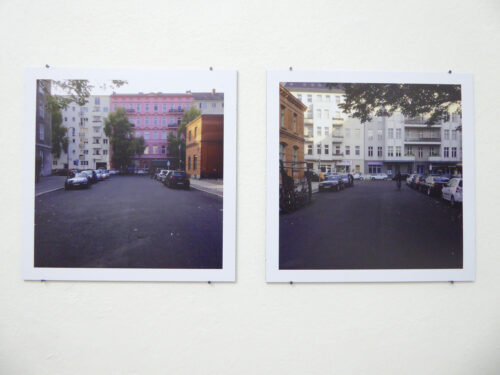
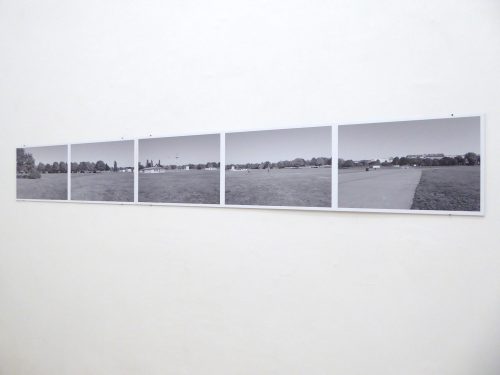
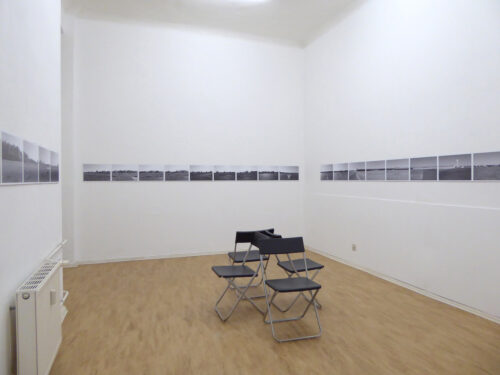
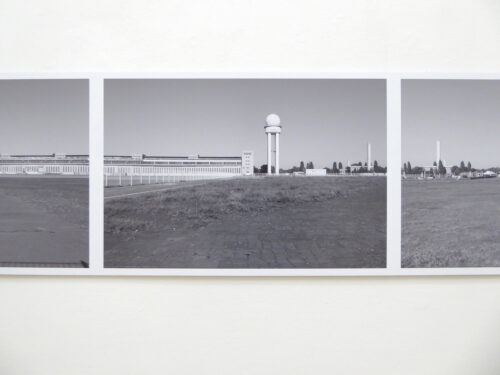
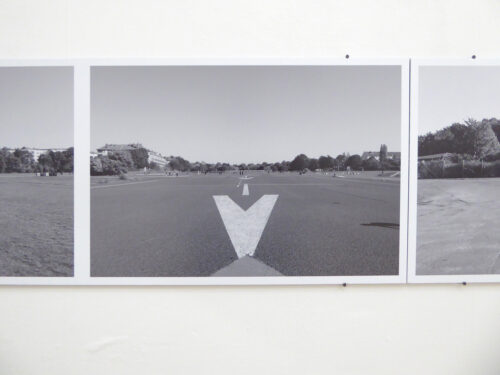
Siggen Stinessen
2015
10. – 27. September 2015
Teil 2 der Ausstellungsreihe:
with or without |
Die Frage nach dem Kontext
Teil 2 der Ausstellungsreihe:
with or without |
Die Frage nach dem Kontext
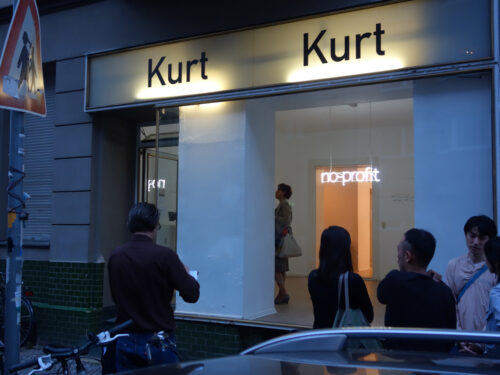
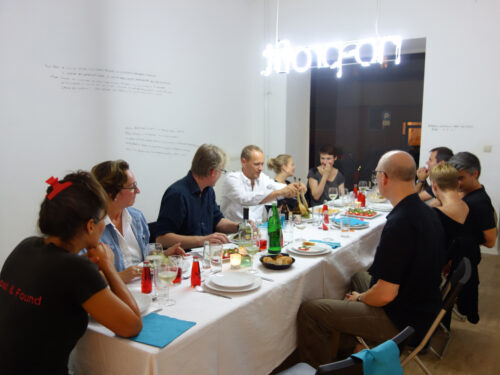
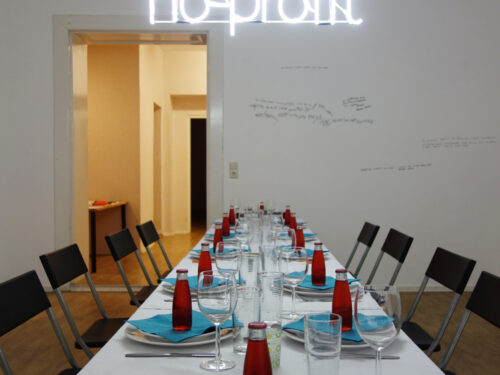
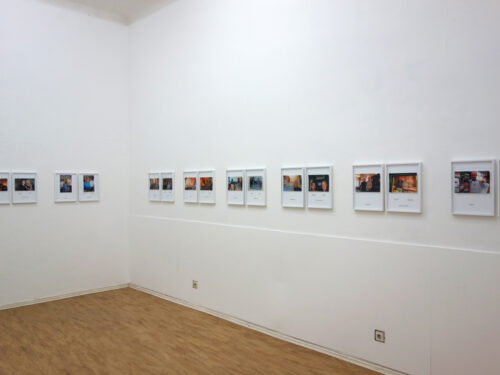
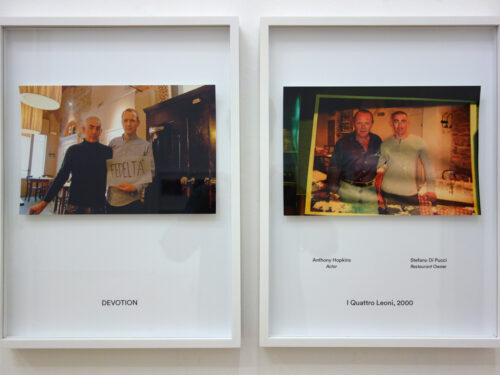
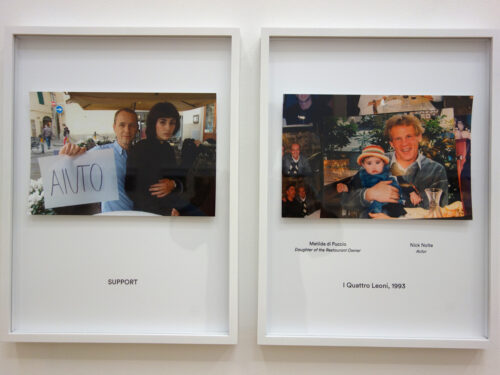
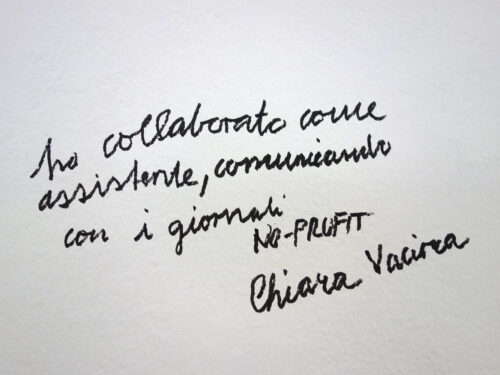
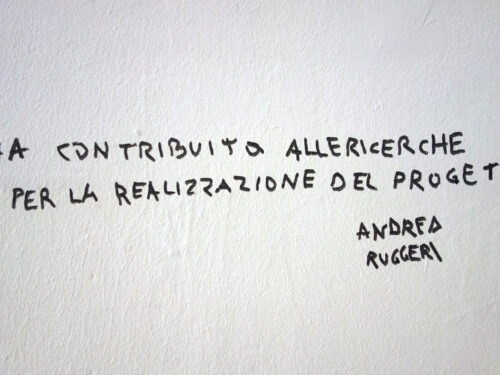
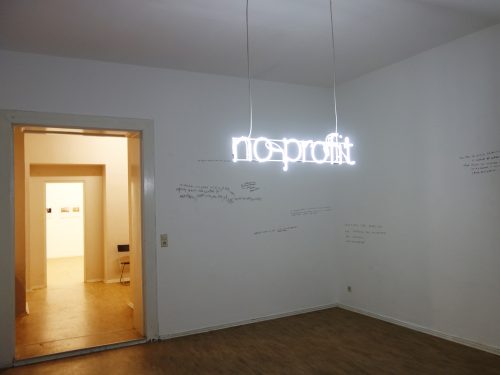
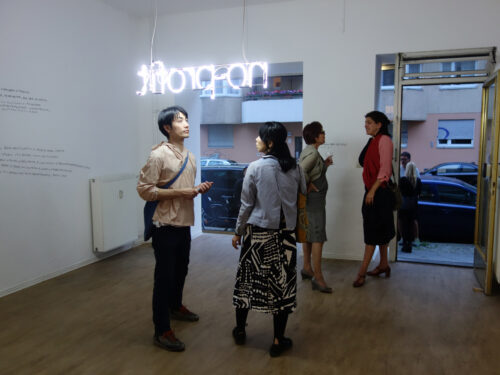
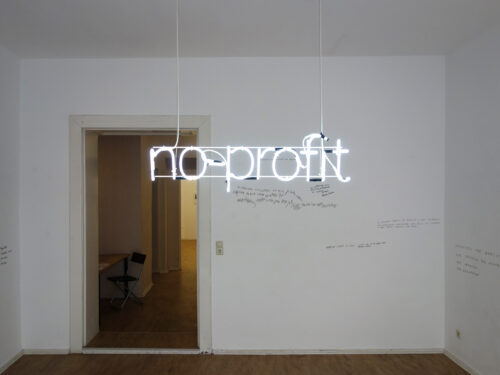
Christian Jankowski
2015
11. Juli – 1. August 2015
Teil 1 der Ausstellungsreihe:
with or without |
Die Frage nach dem Kontext
Teil 1 der Ausstellungsreihe:
with or without |
Die Frage nach dem Kontext
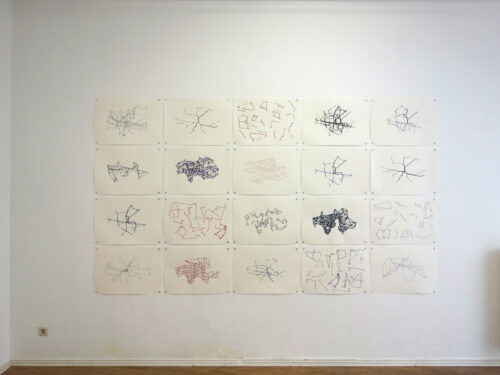
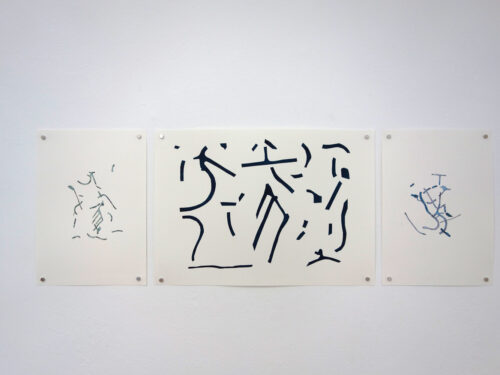
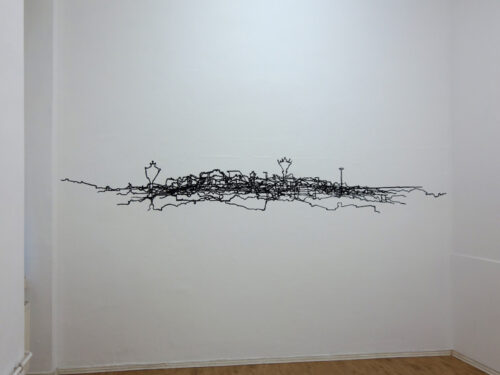
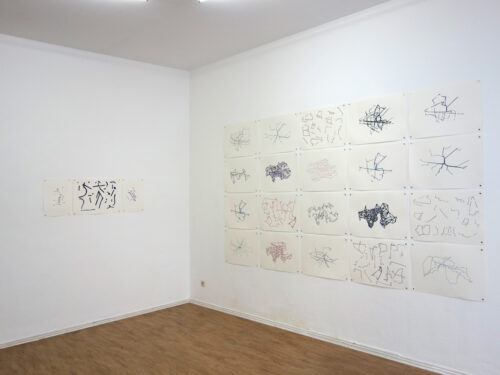
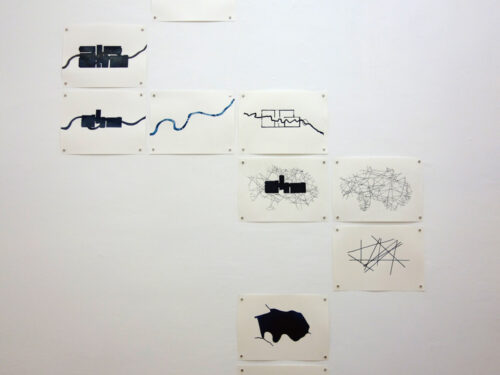
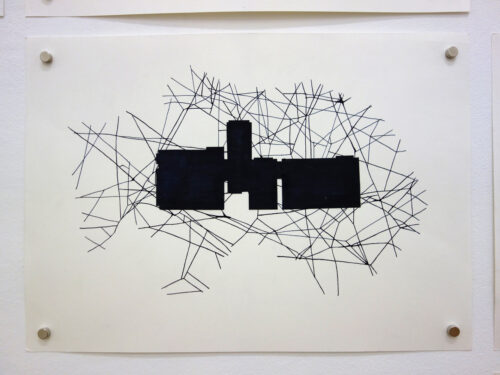
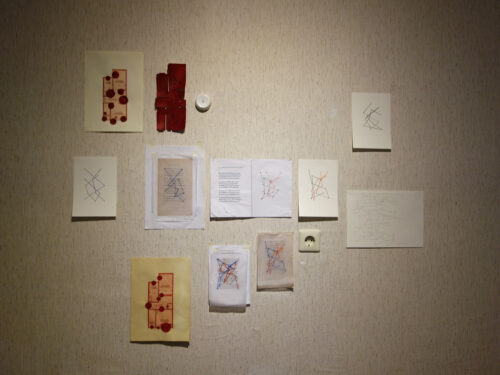
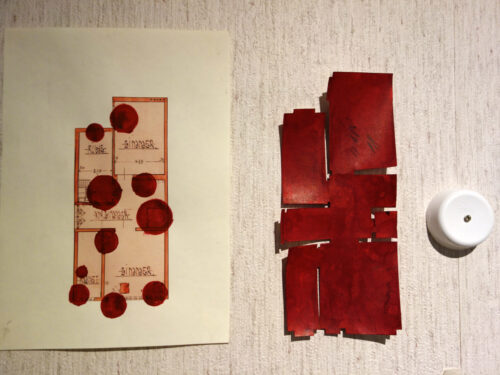
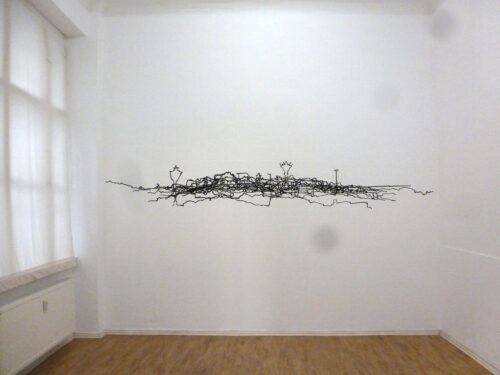
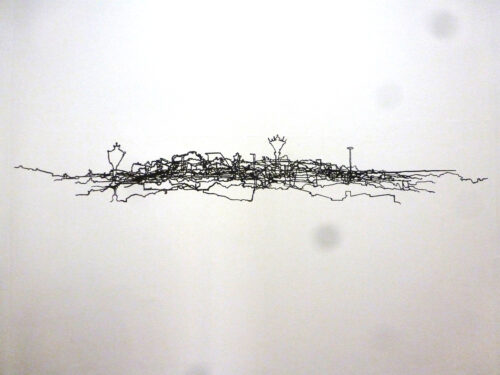
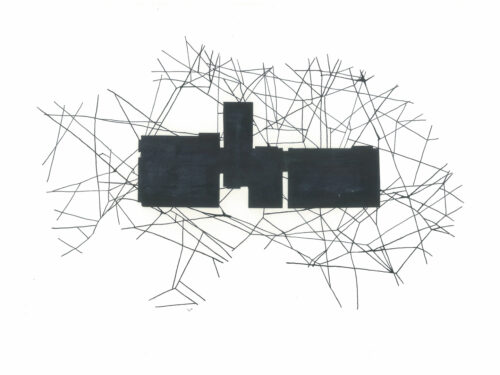
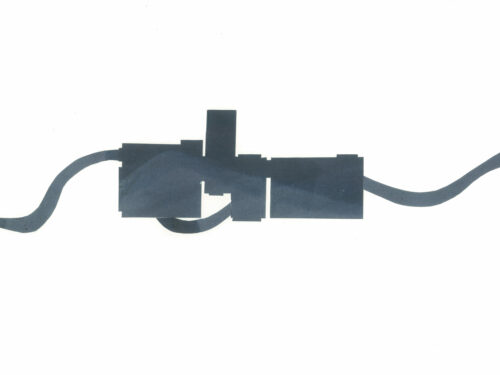
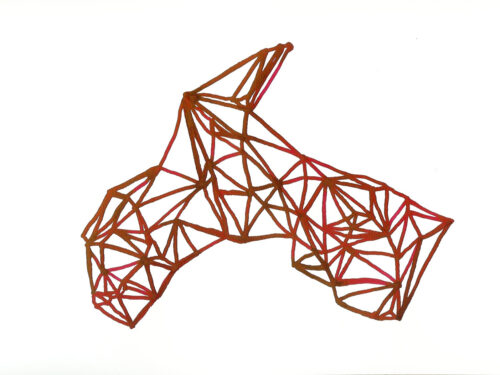
Gary Hurst
2014
4. – 21. September 2014
Teil 4 der Ausstellungsreihe:
Transitional Moabit
Teil 4 der Ausstellungsreihe:
Transitional Moabit
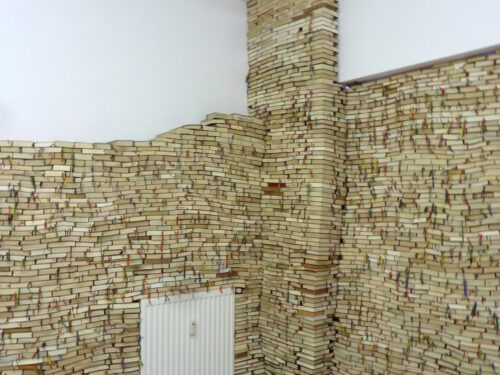
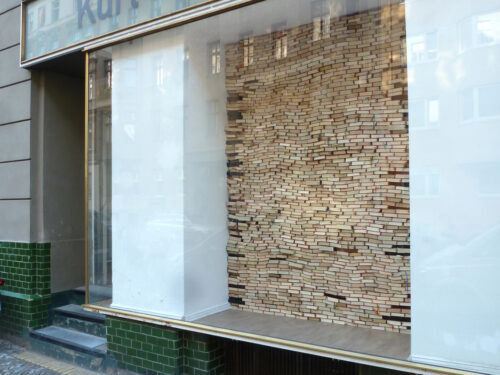
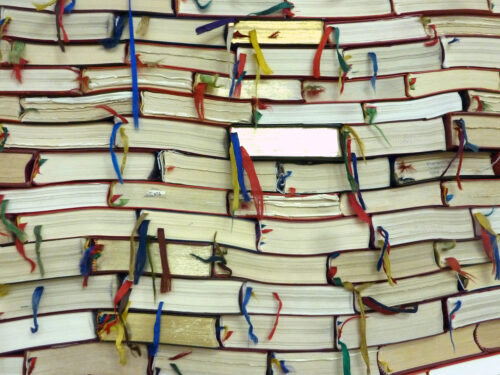
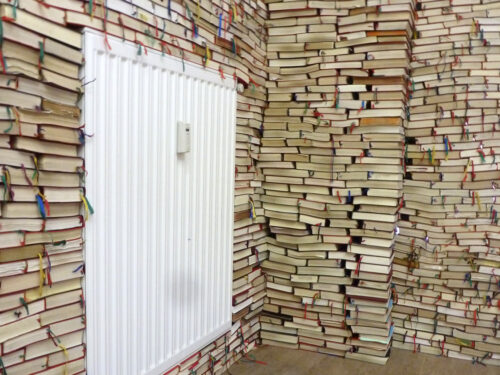
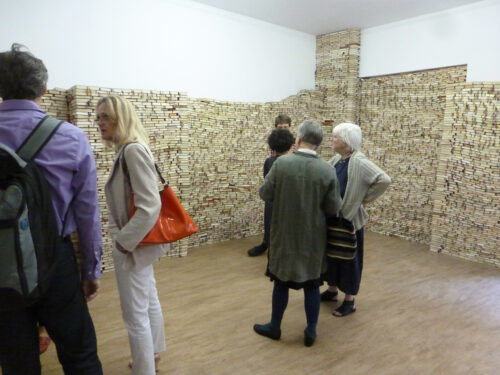
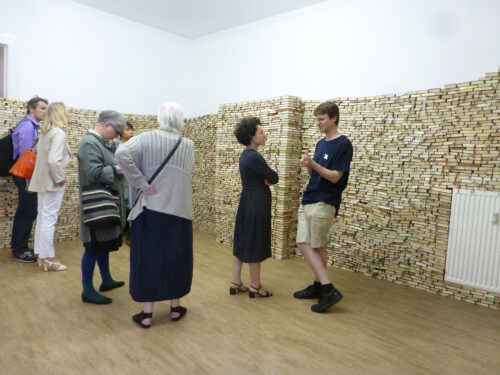
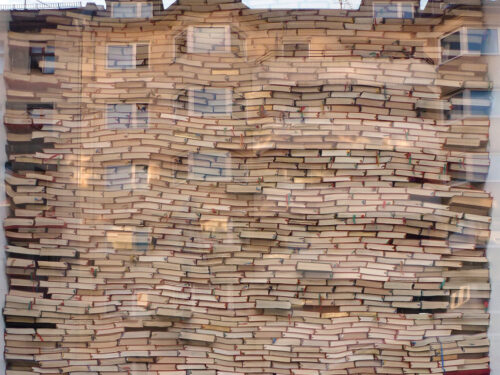
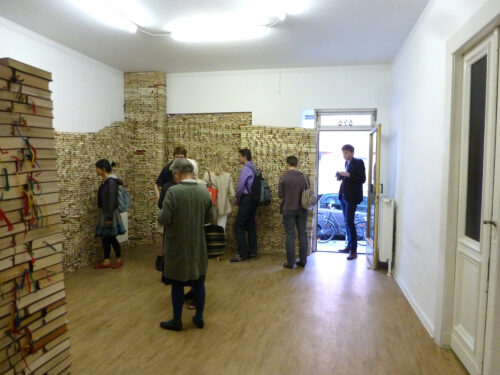
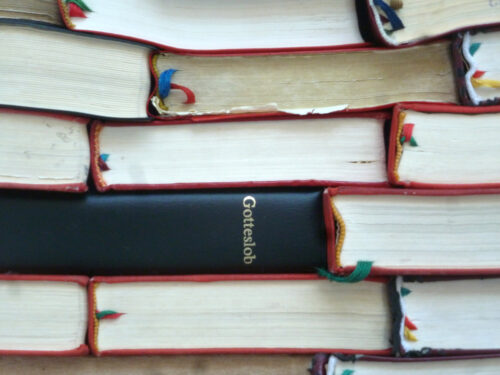
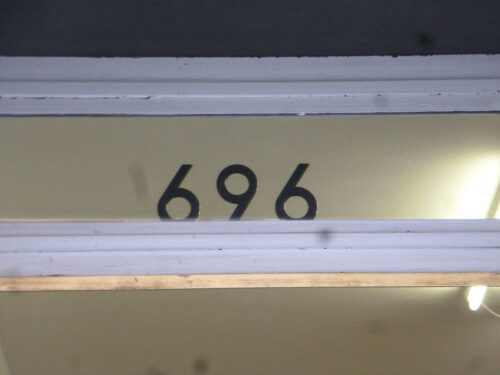
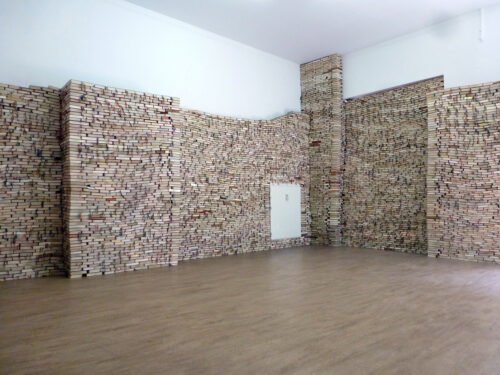
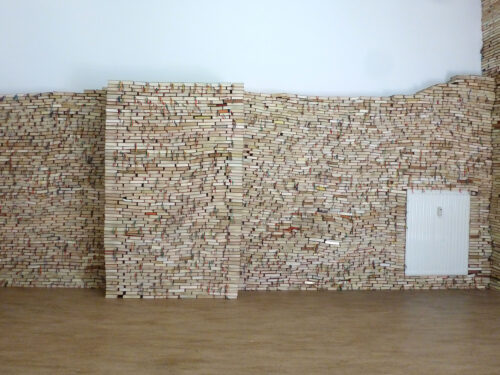
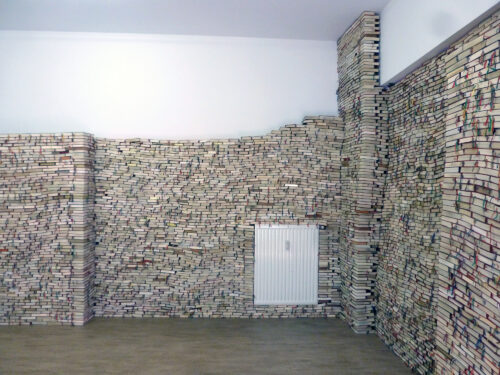
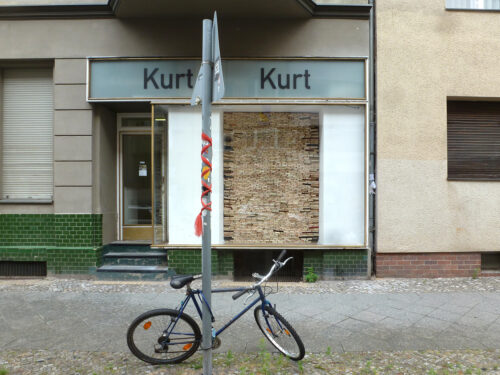
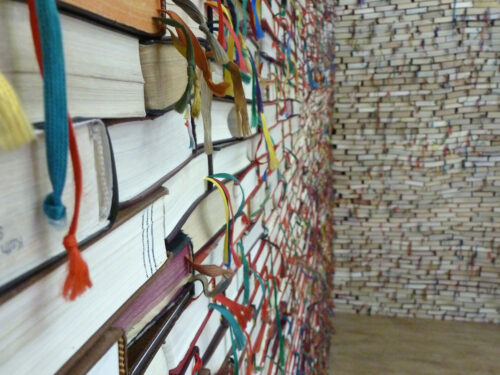
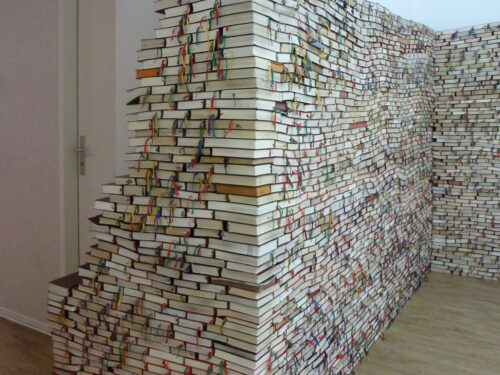
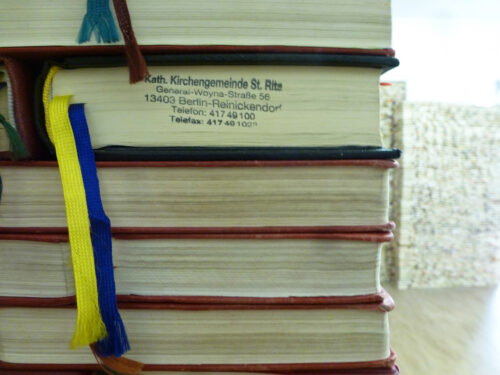
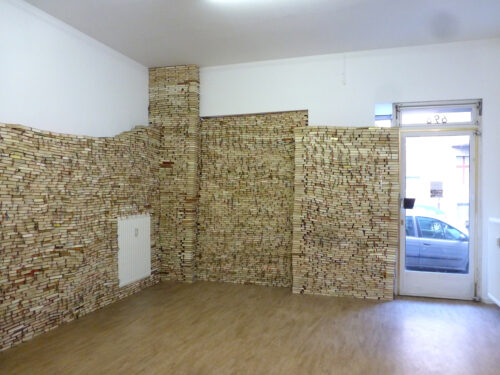
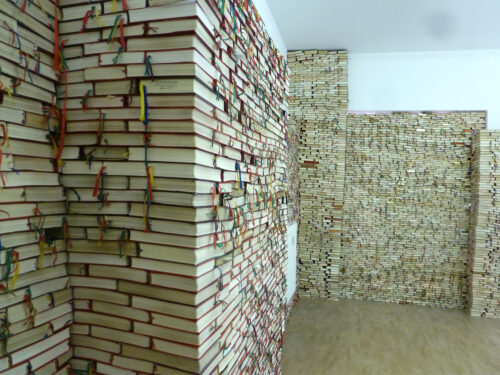
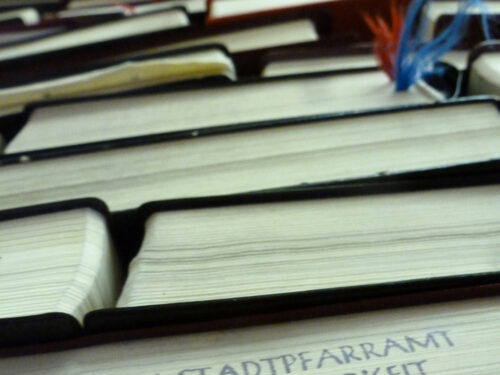
Albert Coers
2014
16. Juni – 5. Juli 2014
Teil 3 der Ausstellungsreihe:
Transitional Moabit
Teil 3 der Ausstellungsreihe:
Transitional Moabit
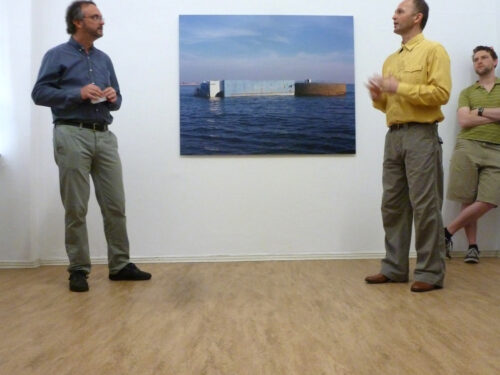
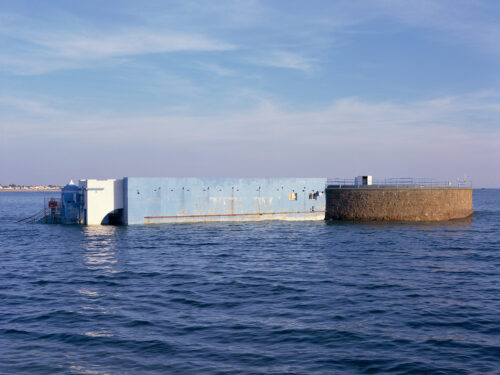
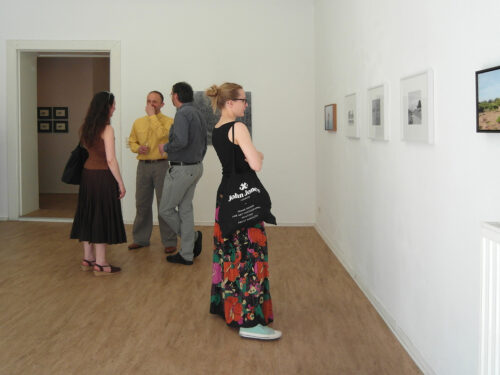
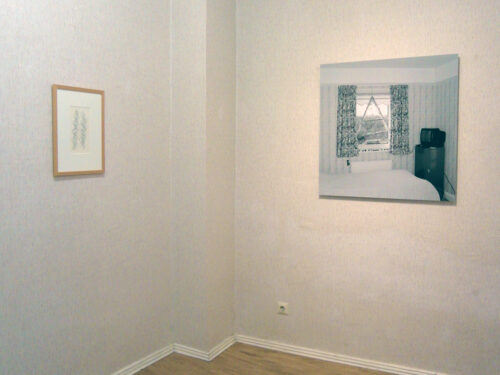
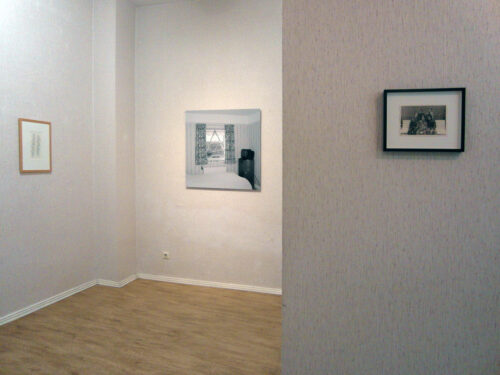
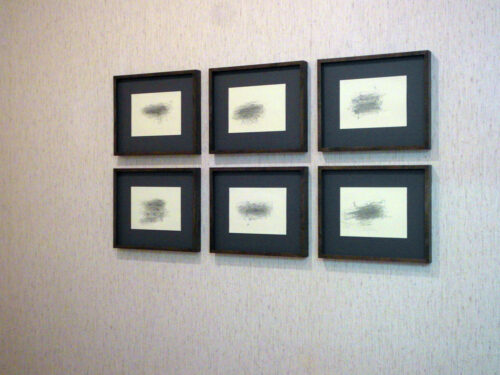
Mark Le Ruez
2014
30. April – 25. Mai 2014
Teil 2 der Ausstellungsreihe:
Transitional Moabit
Teil 2 der Ausstellungsreihe:
Transitional Moabit
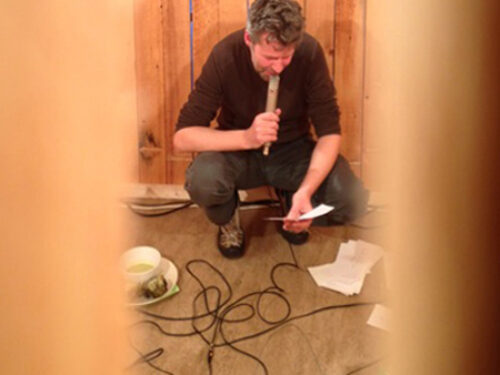
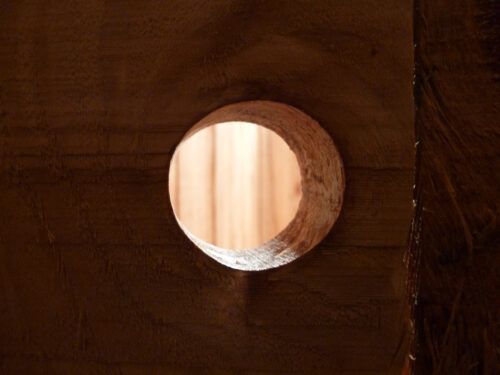
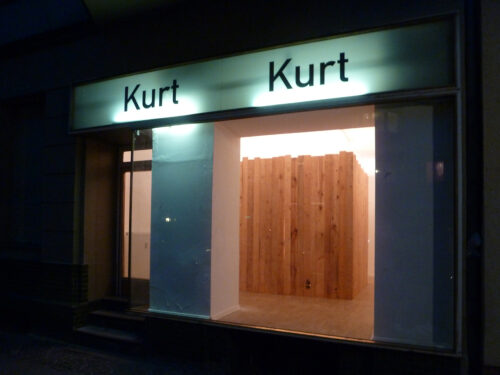
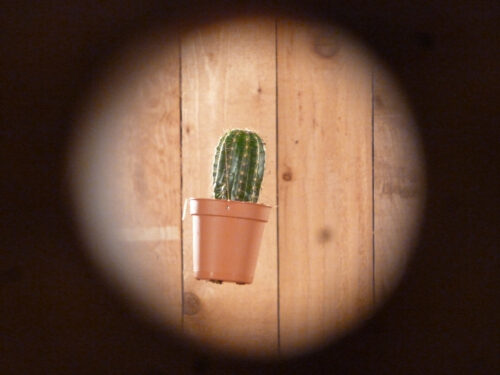
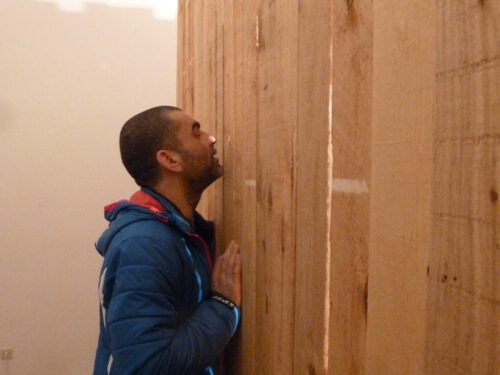
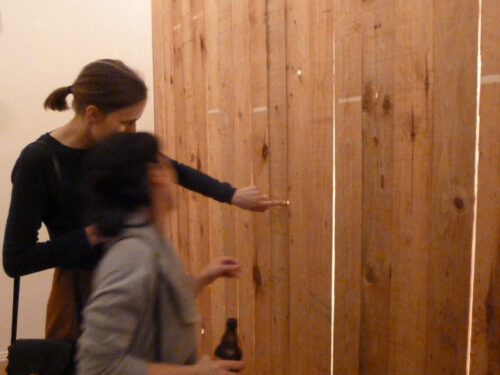
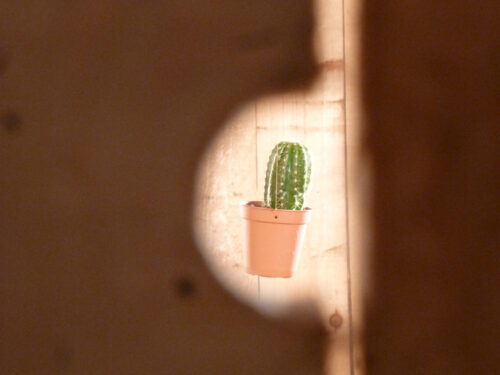
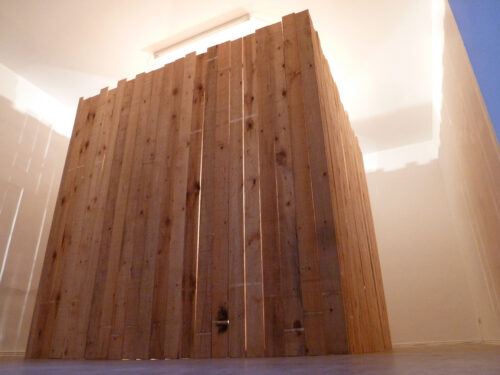
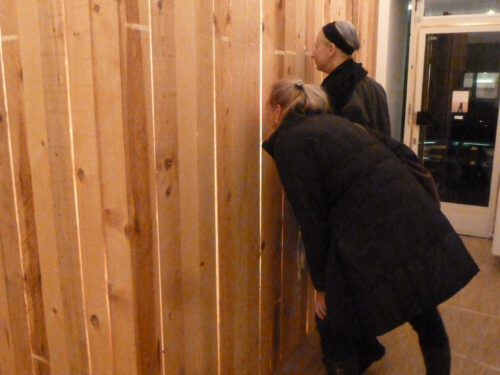
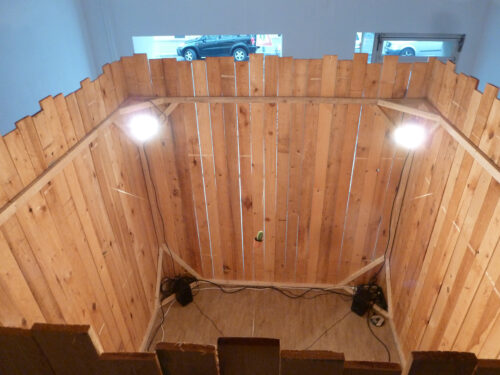
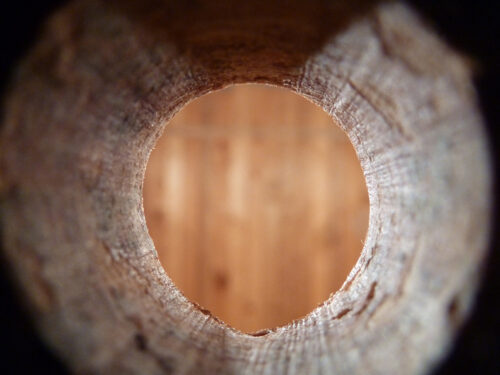
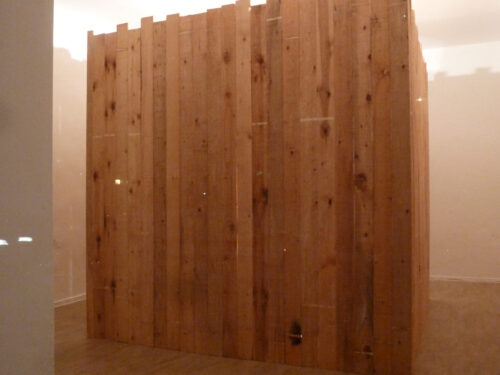
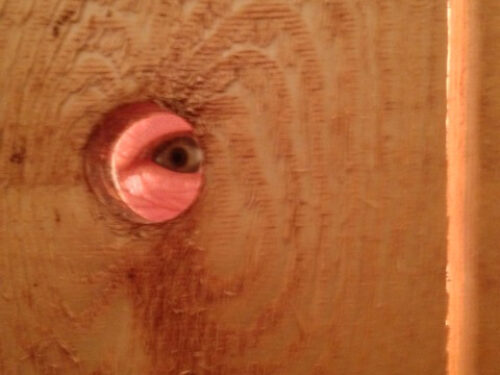
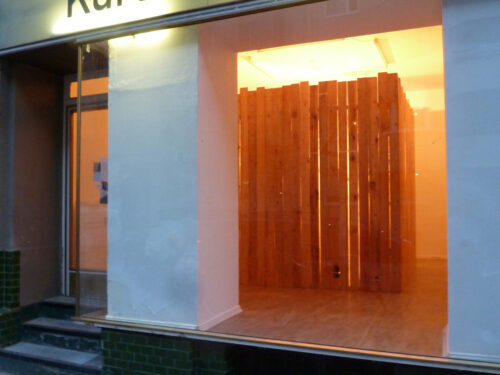
Pfelder
2014
27. Februar – 15. März 2014
Teil 1 der Ausstellungsreihe:
Transitional Moabit
Teil 1 der Ausstellungsreihe:
Transitional Moabit
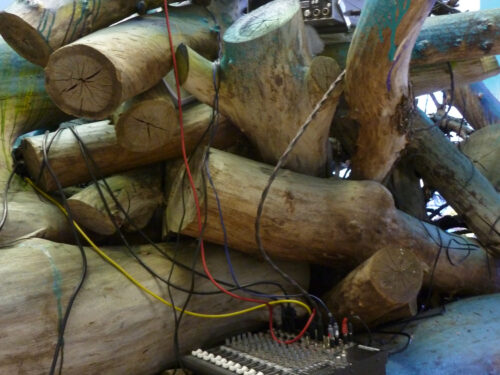
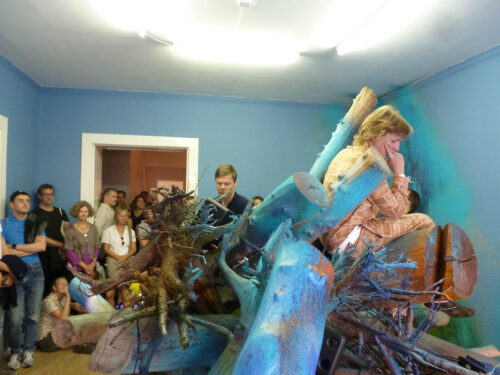
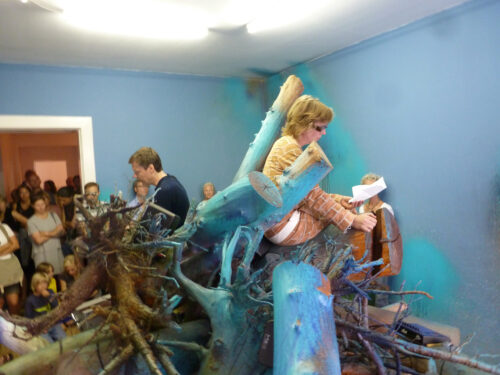
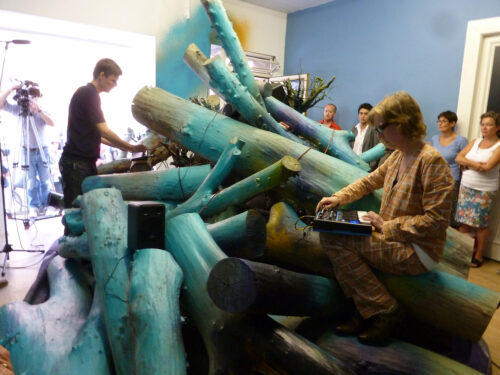
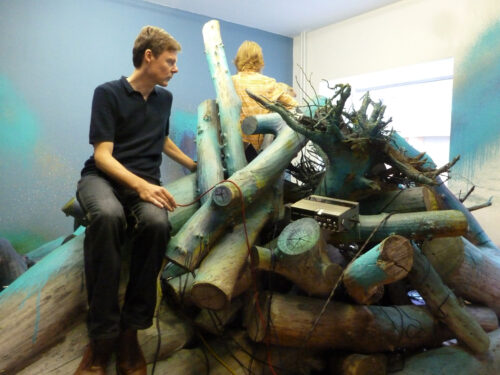
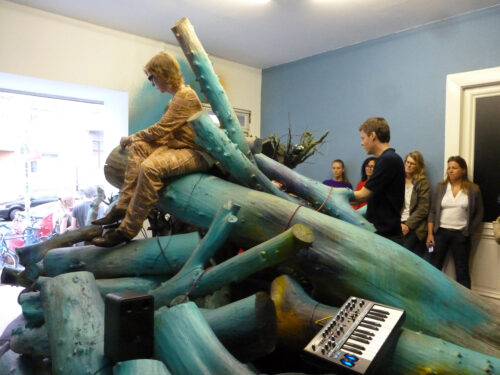
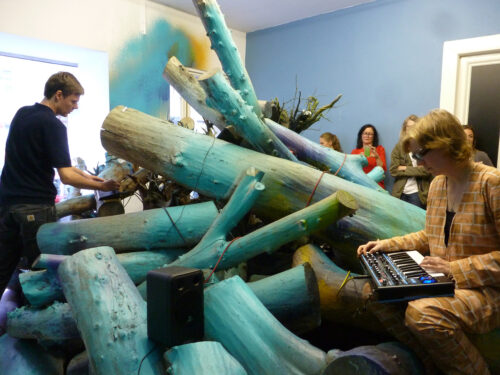
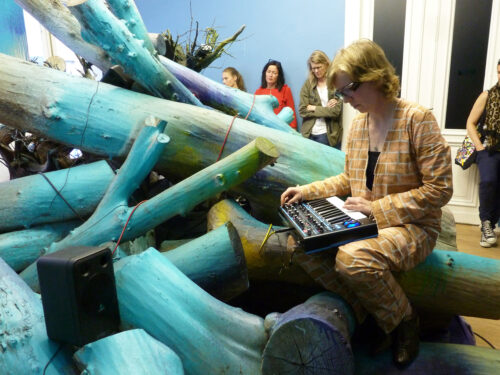
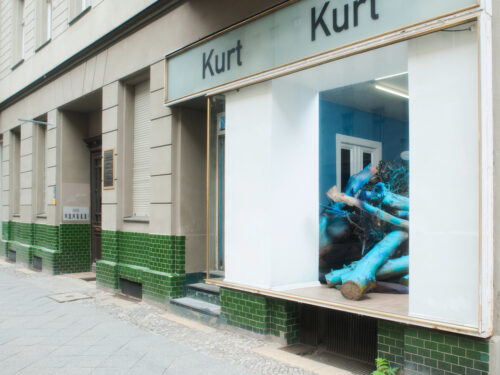
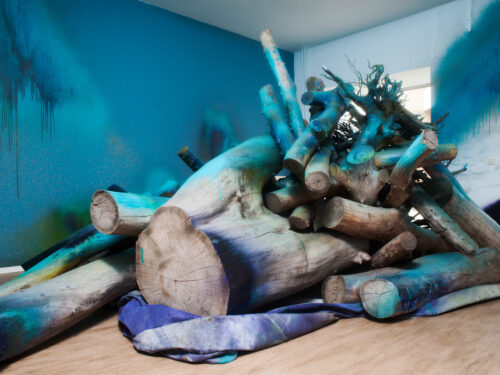
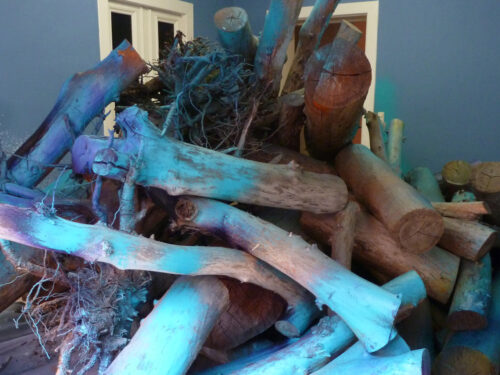
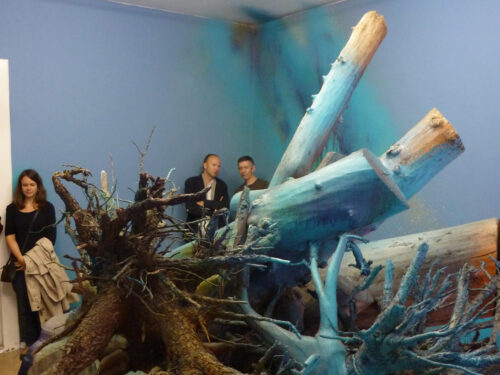
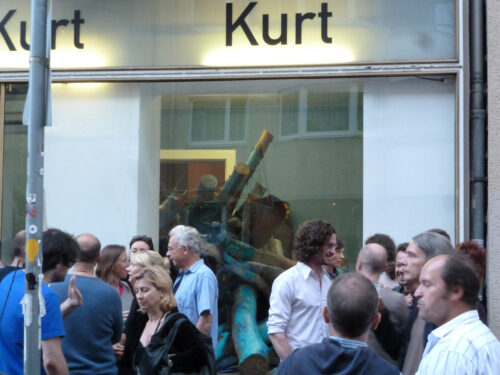
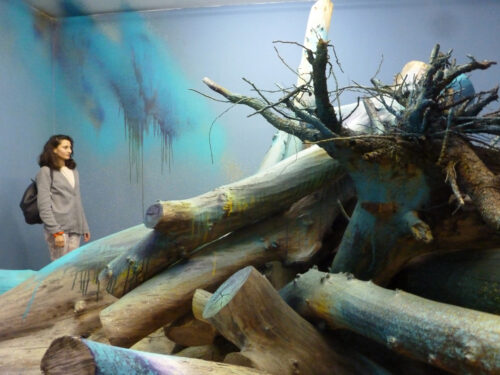
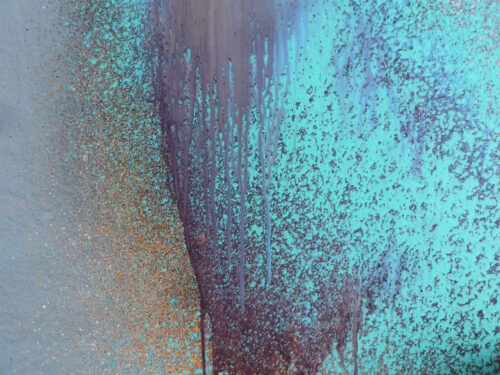
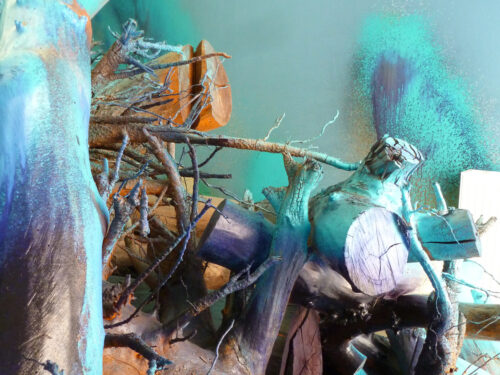

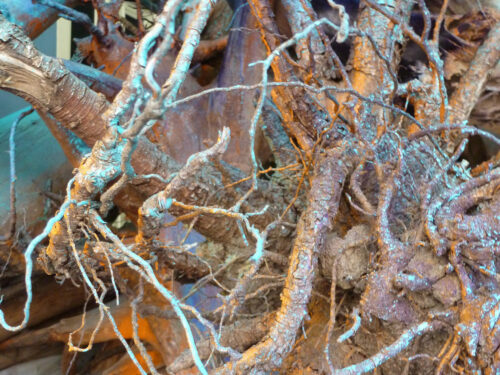
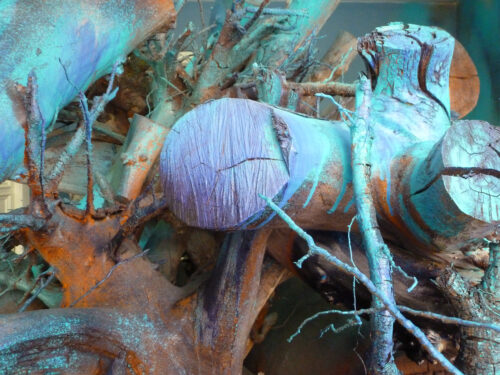
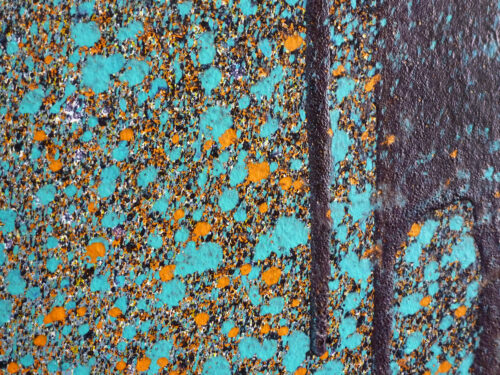
Katharina Grosse
2013
21. August – 7. September 2013
Teil 4 der Ausstellungsreihe:
Temporarily Available
Teil 4 der Ausstellungsreihe:
Temporarily Available
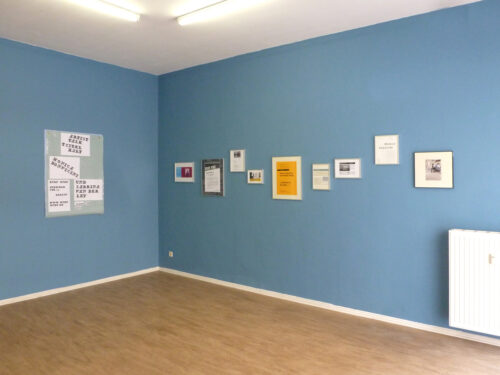
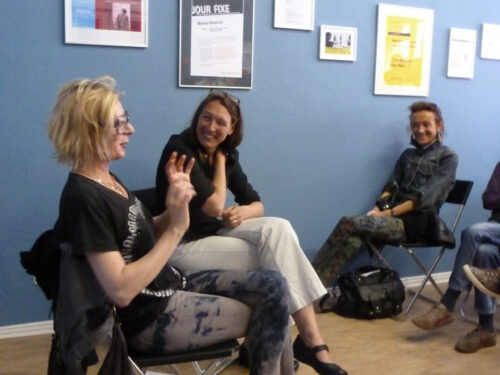
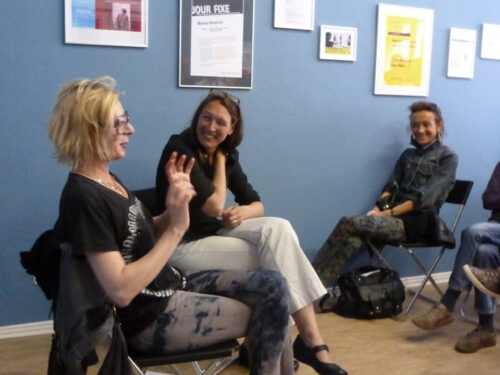
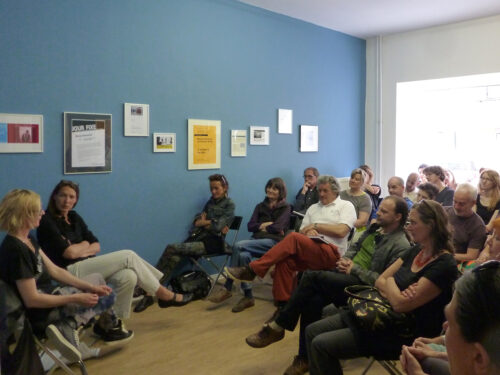
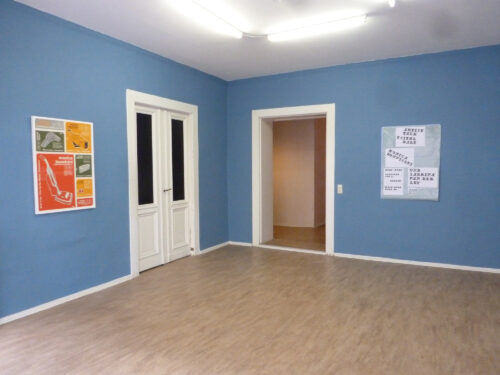
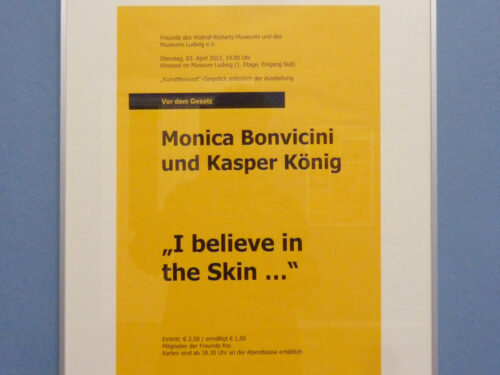
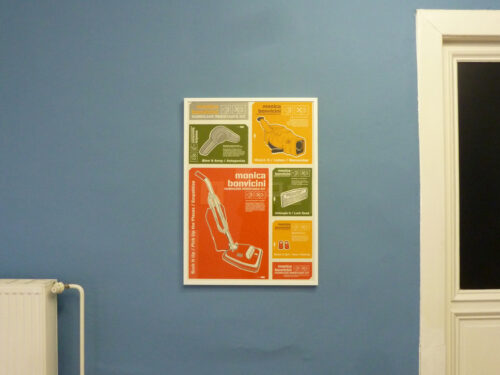
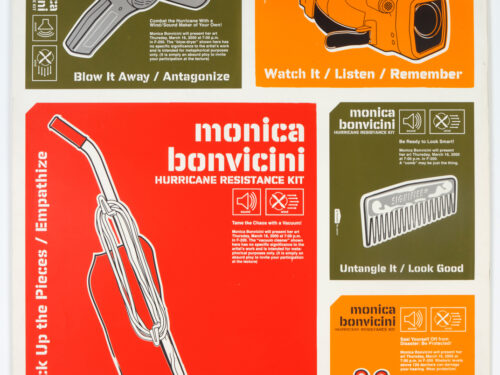
Monica Bonvicini
2013
2. – 15. Juni 2013
Teil 3 der Ausstellungsreihe:
Temporarily Available
Teil 3 der Ausstellungsreihe:
Temporarily Available
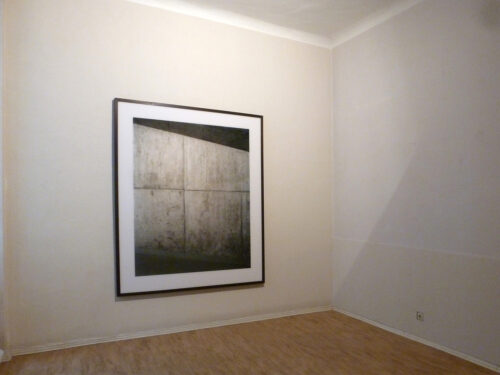
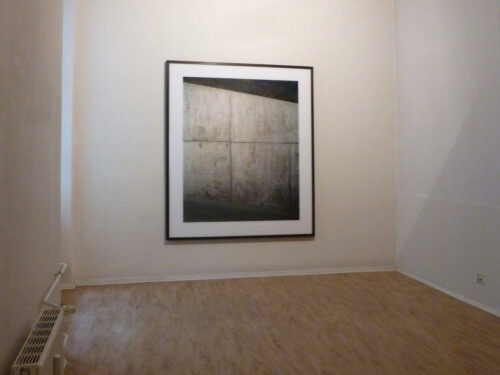
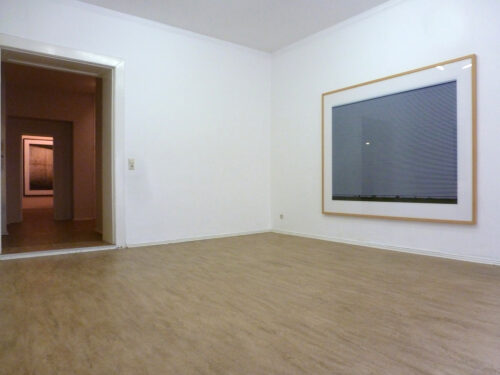
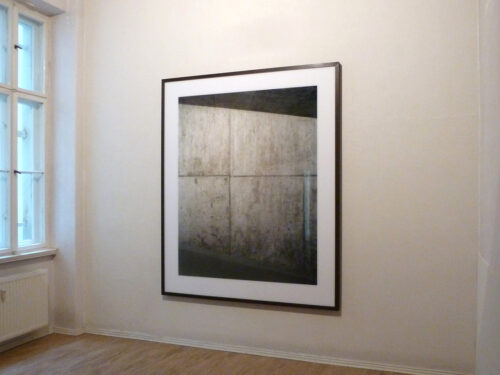
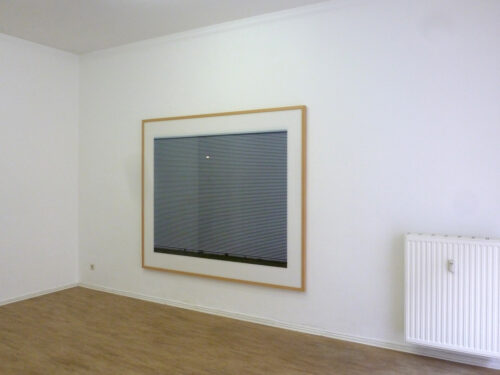
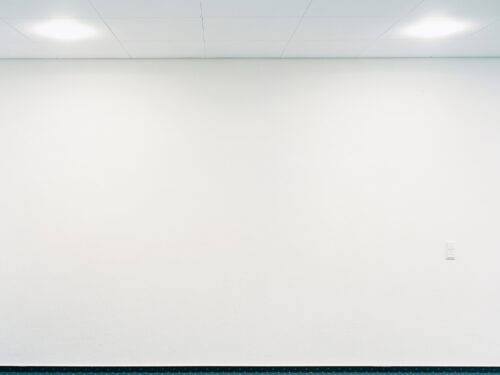

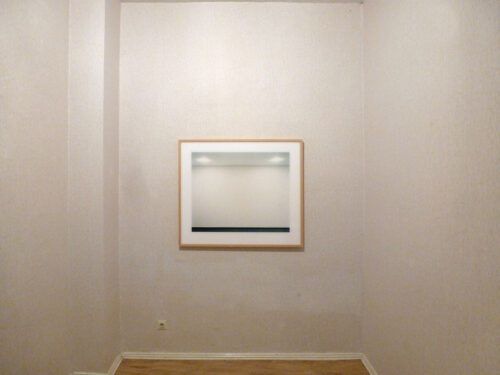
Hans-Christian Schink
2013
19. April – 4. Mai 2013
Teil 2 der Ausstellungsreihe:
Temporarily Available
Teil 2 der Ausstellungsreihe:
Temporarily Available
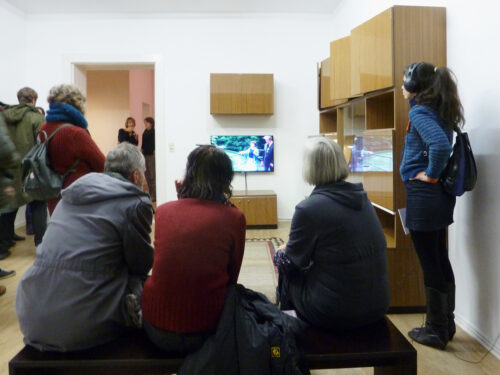
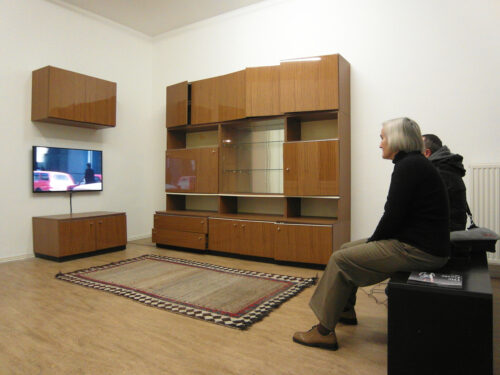
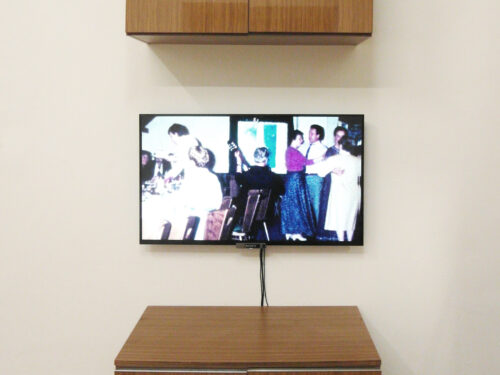
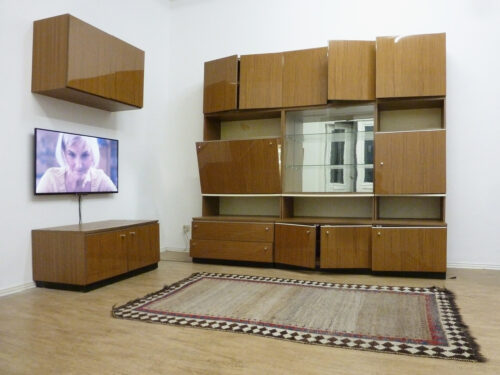
Nadin Rechke
2013
Ausstellung
Die Geste des Suchens
29. November – 7. Februar 2013
Die Geste des Suchens
29. November – 7. Februar 2013
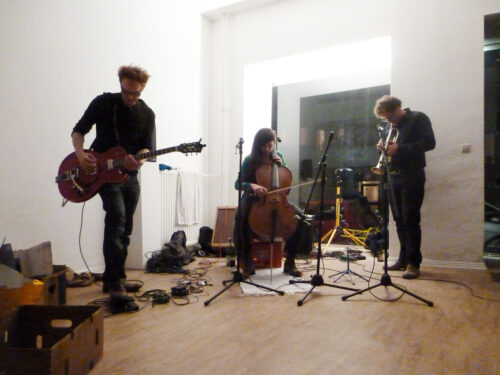
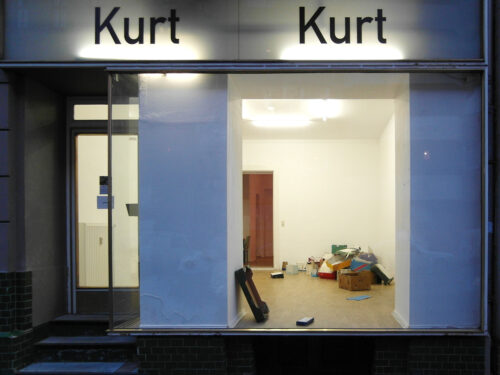
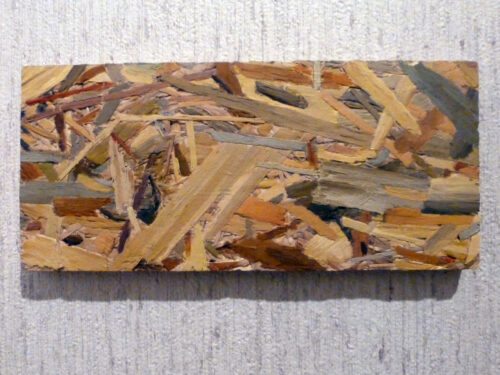
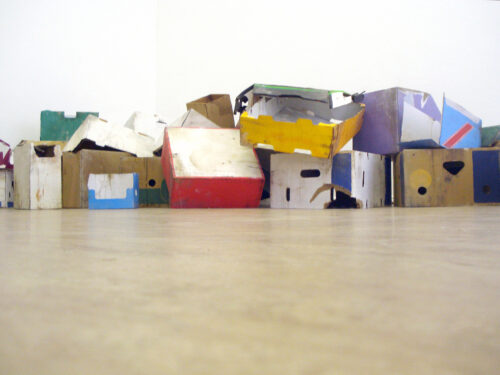
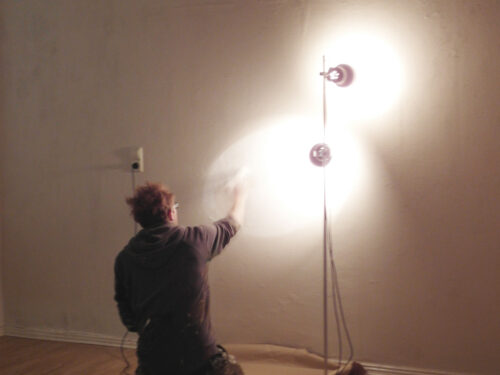
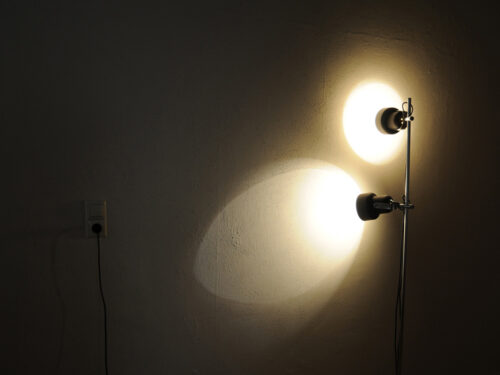
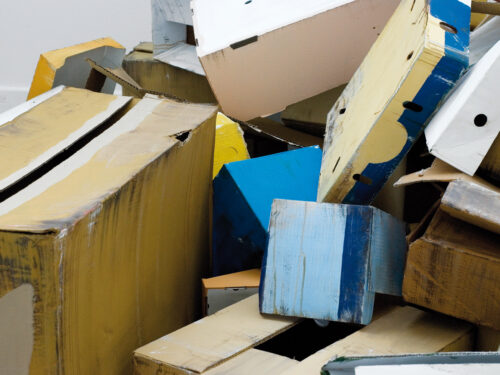
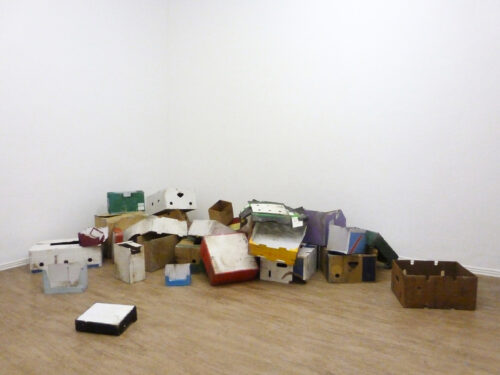
Tom Früchtl
2012
Ausstellung
Tom Früchtl
26. Oktober – 10. November 2012
Ausstellung 1 der Ausstellungsreihe: Temporarily Available
Tom Früchtl
26. Oktober – 10. November 2012
Ausstellung 1 der Ausstellungsreihe: Temporarily Available
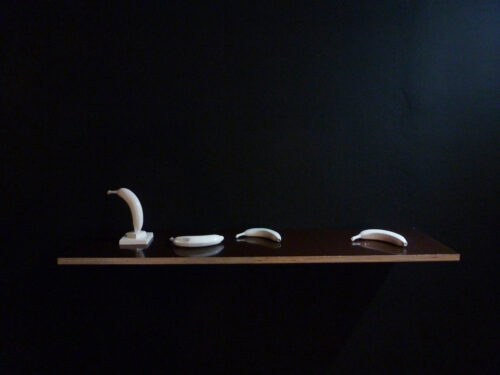
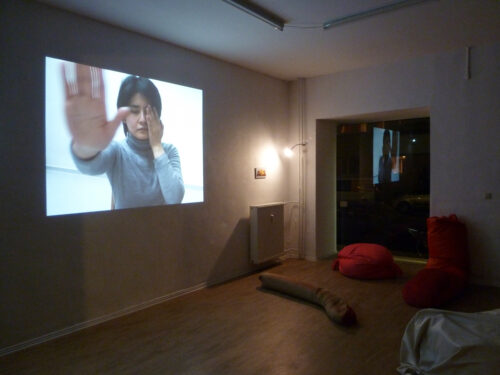
Miho Shimizu
2012
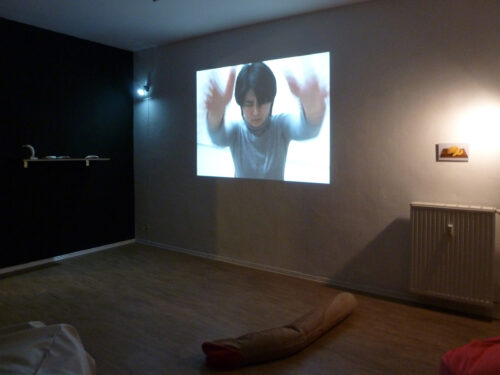
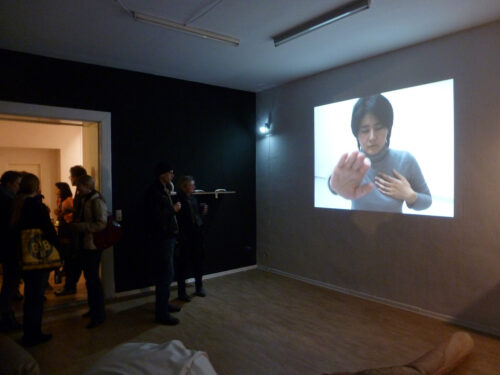
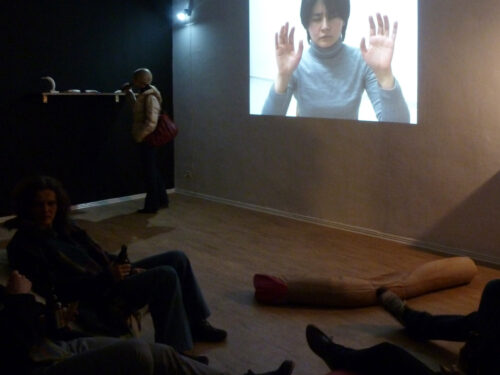
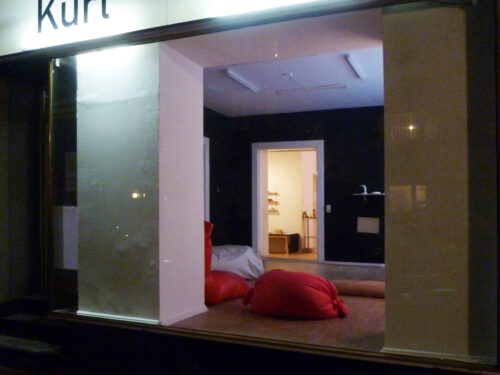
Miho Shimizu
1. + 2. März 2012
1. + 2. März 2012
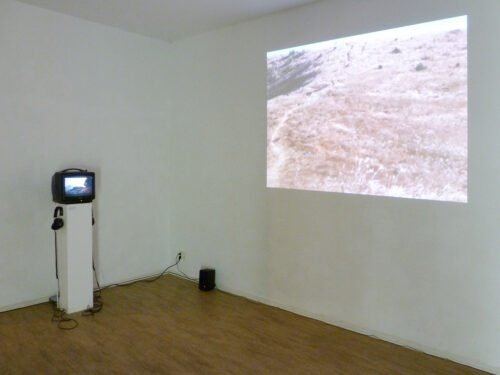
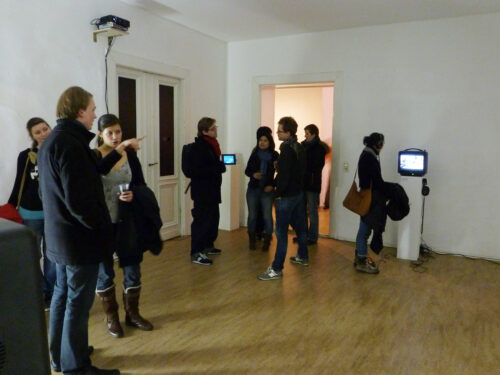
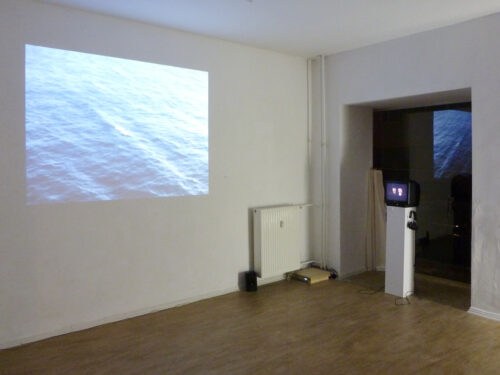
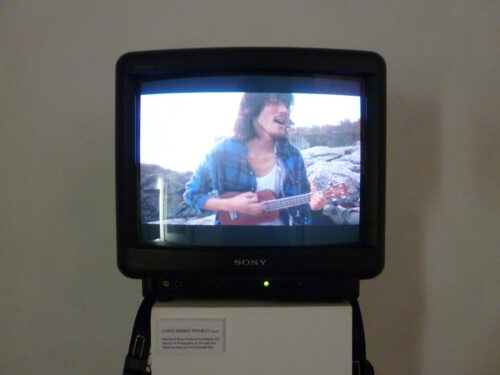
Heejong Yoo
2012
Going South
31. Januar / 1. Februar 2012
31. Januar / 1. Februar 2012
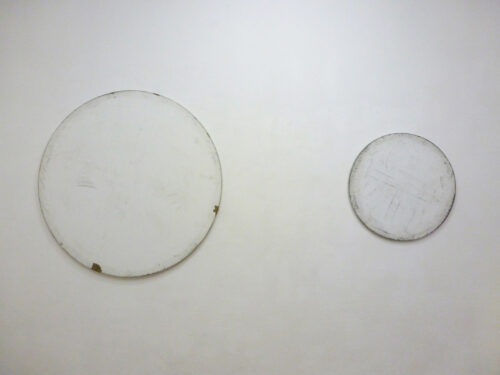
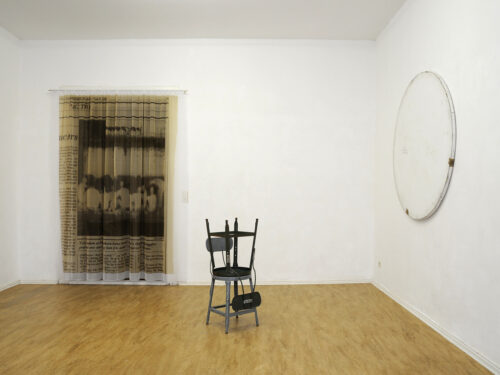
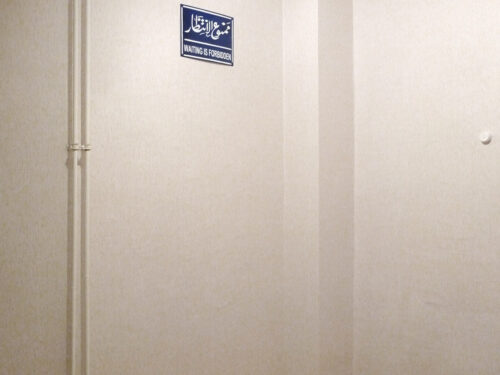
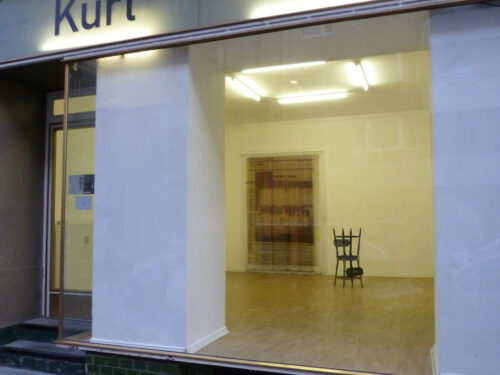
Short & Intense 2011
2011
Ausstellung
Short & Intense 2011
Heather Allen, Heike Baranowsky, Mona Hatoum, Karin Sander
3. – 26. November 2011
Short & Intense 2011
Heather Allen, Heike Baranowsky, Mona Hatoum, Karin Sander
3. – 26. November 2011
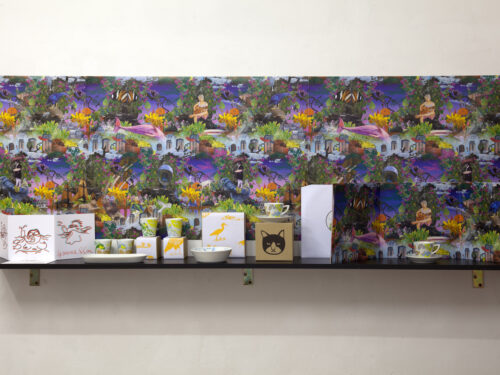
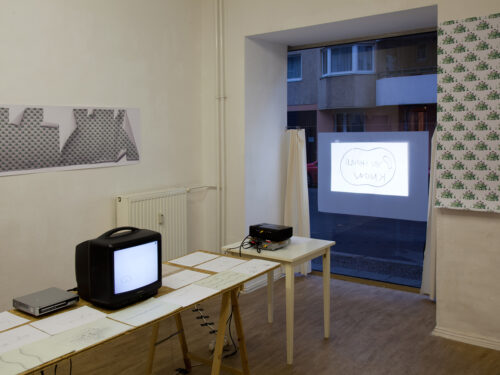
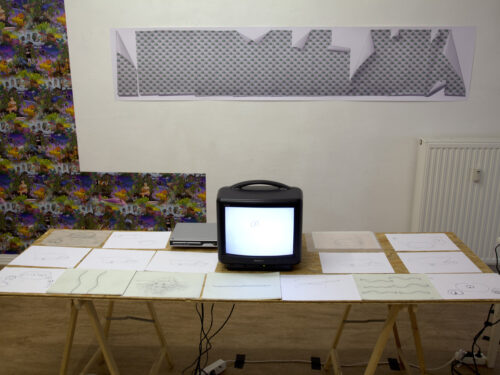
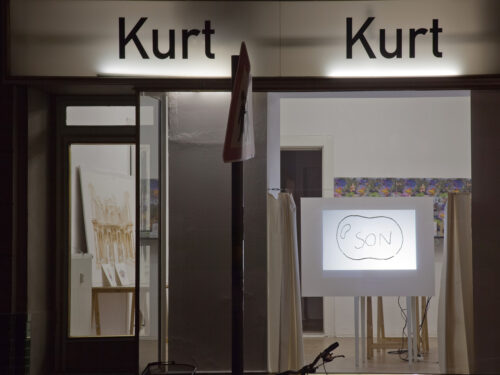
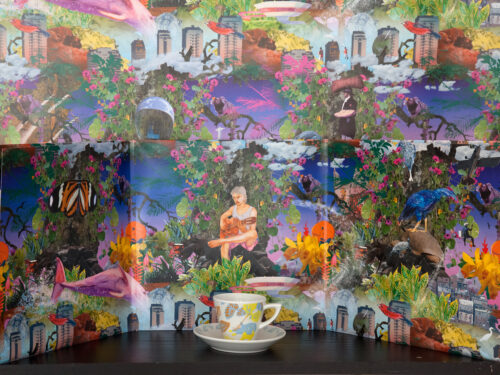
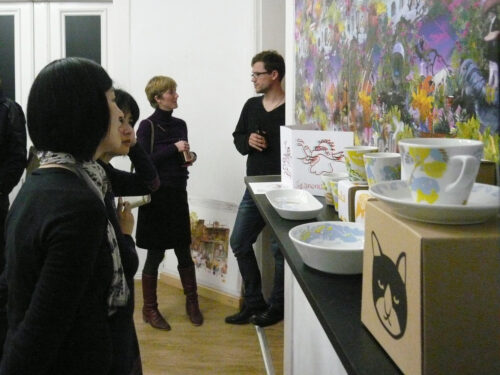
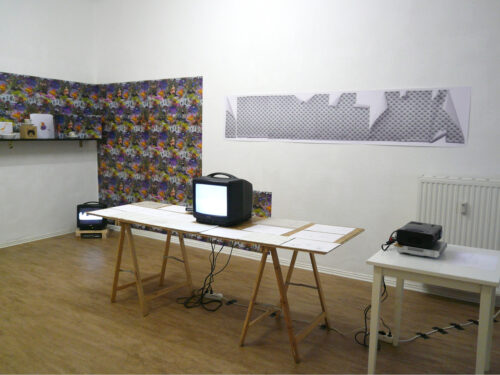
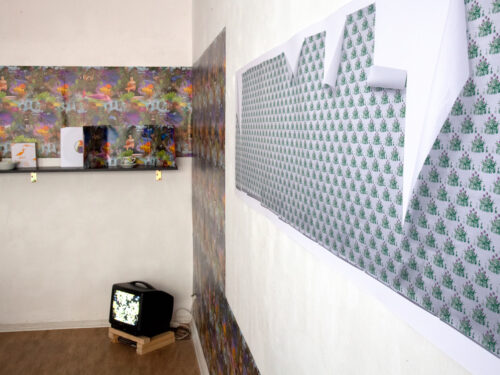
Øyvind Renberg
2011
Øyvind Renberg
17. – 20. März 2011
17. – 20. März 2011